Demand for firewood and other heating fuel across Serbia is climbing sharply ahead of winter, pushing A2-grade pellet prices to as much as 48,000 dinars a ton and underscoring how household energy costs remain vulnerable to seasonal shortages and quality constraints.
Serbia pellet prices rise ahead of winter
The price range of 42,000 to 48,000 dinars for certified pellets is more than a consumer anecdote: it is a signal that the winter fuel market is tightening before the coldest months even begin. For households that rely on solid fuels, the timing matters because buying late often means paying more, while choosing the wrong product can also raise total heating costs through inefficiency, device damage or higher consumption.
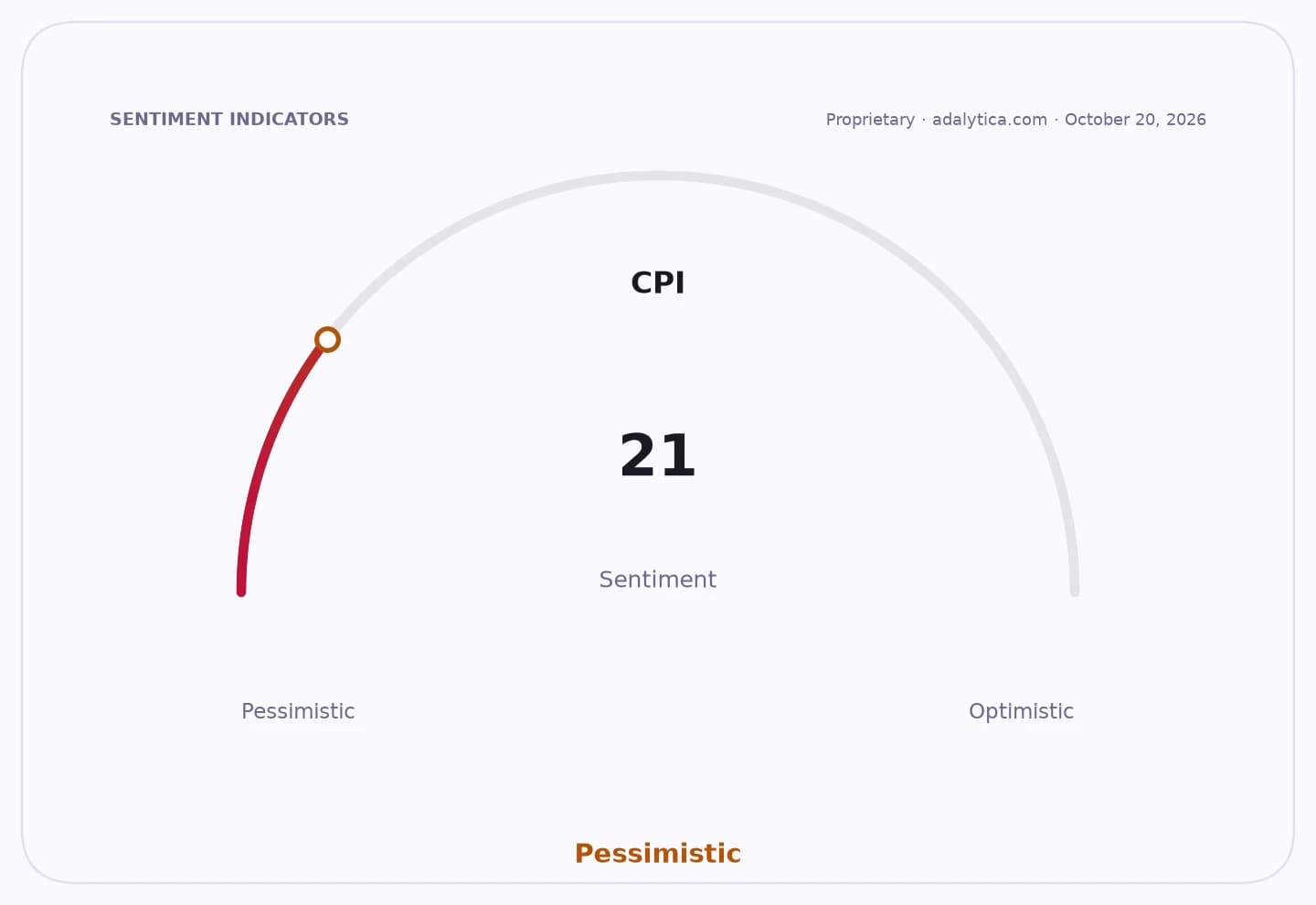
Sentiment IndicatorsⓘProprietary · adalytica.com · October 4, 2026
This is a snapshot — live sentiment, awareness and momentum for 130+ markets update continuously in the dashboard.Open AlphaPulse
Serbian demand for heating fuel has risen by as much as 40% from earlier levels, according to the report, with wood, coal and briquettes priced differently by city, type and quality. That fragmentation makes the market less transparent for consumers and more profitable for sellers with inventory in regions where supply is thinner. It also reflects a broader energy mix in which many households still depend on traditional fuels rather than gas or district heating.
Experts are advising buyers to compare prices across multiple depots and to check whether pellets are certified before purchasing. Branko Glavonjić of the Faculty of Forestry said uncertified pellets can cause combustion and appliance problems, a warning that matters economically as much as technically. In a market where the cheapest option can burn poorly, households may end up spending more per unit of useful heat — a point that becomes especially important when winter budgets are already stretched.
The latest pricing comes against a wider backdrop of pressure across heating fuels in Europe and parts of the Balkans, where supply chains, transport costs and seasonal stocking patterns can all amplify price swings. For Serbia, the immediate implication is that the next few weeks will be critical for retail fuel markets: if early stocking continues, prices may stabilize; if cold weather arrives before inventories are replenished, the squeeze could deepen.
For investors, the story is a reminder that winter demand can lift volumes for fuel distributors and wood-product suppliers, but it also raises the risk of margin pressure if supply is constrained or if households trade down to lower-quality products. The beneficiaries are likely to be certified pellet producers, well-stocked retailers and logistics operators. The losers are late buyers, households dependent on spot purchases and sellers of lower-grade fuel if consumers become more selective about quality.
The key question going into the heating season is not just whether prices keep rising, but whether Serbia’s household fuel market can absorb peak demand without a sharper jump in costs. That will determine how much of this winter’s strain lands on consumers, retailers and the broader cost of living.
| Entity | Gains | Losses |
|---|---|---|
| Certified pellet producers | ▲Higher demand, stronger pricing | ▼ |
| Well-stocked fuel retailers | ▲Better turnover ahead of winter | ▼Late-season inventory risk |
| Households buying early | ▲More choice, lower disruption | ▼Upfront cash outlay |
| Households buying late | ▲ | ▼Higher prices, limited supply |