Silver slid below $64 an ounce on Sept. 25 and was headed for a weekly decline of about 4% as a stronger dollar, rising U.S. Treasury yields and a fresh surge in expectations for another Federal Reserve rate increase hit the metal’s appeal.
Silver Falls Below $64 as Dollar and Yields Rise

That matters because silver is not just a precious metal trade — it is a real-time referendum on liquidity, inflation expectations and the cost of holding non-yielding assets. When the dollar firms and long-dated Treasury yields jump to their highest since 2007 and 2004 respectively, as they did on Sept. 24, capital rotates away from metals and toward cash and fixed income. In that environment, silver often underperforms gold because it carries both monetary and industrial baggage, making it especially vulnerable when rates rise faster than growth confidence.
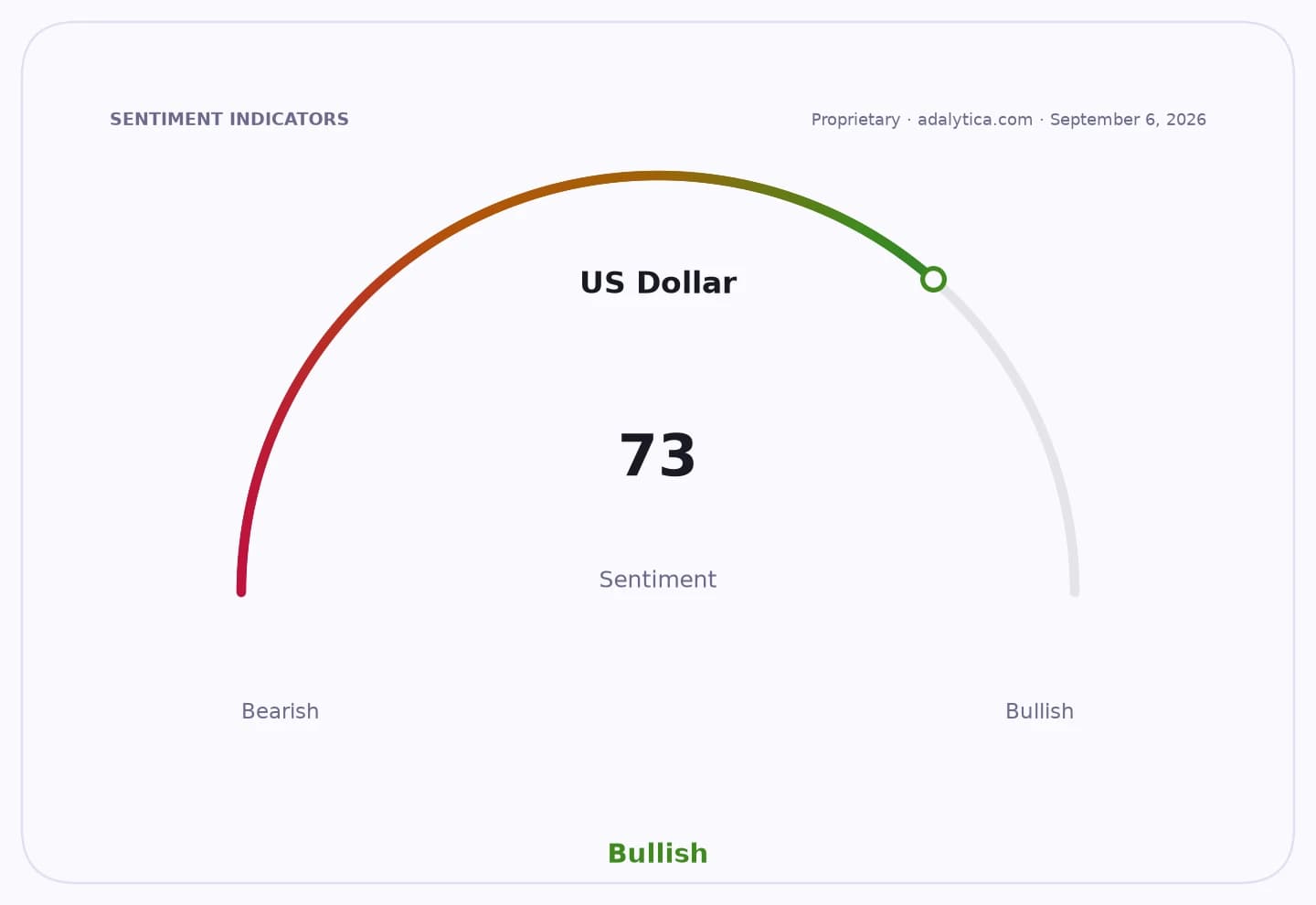
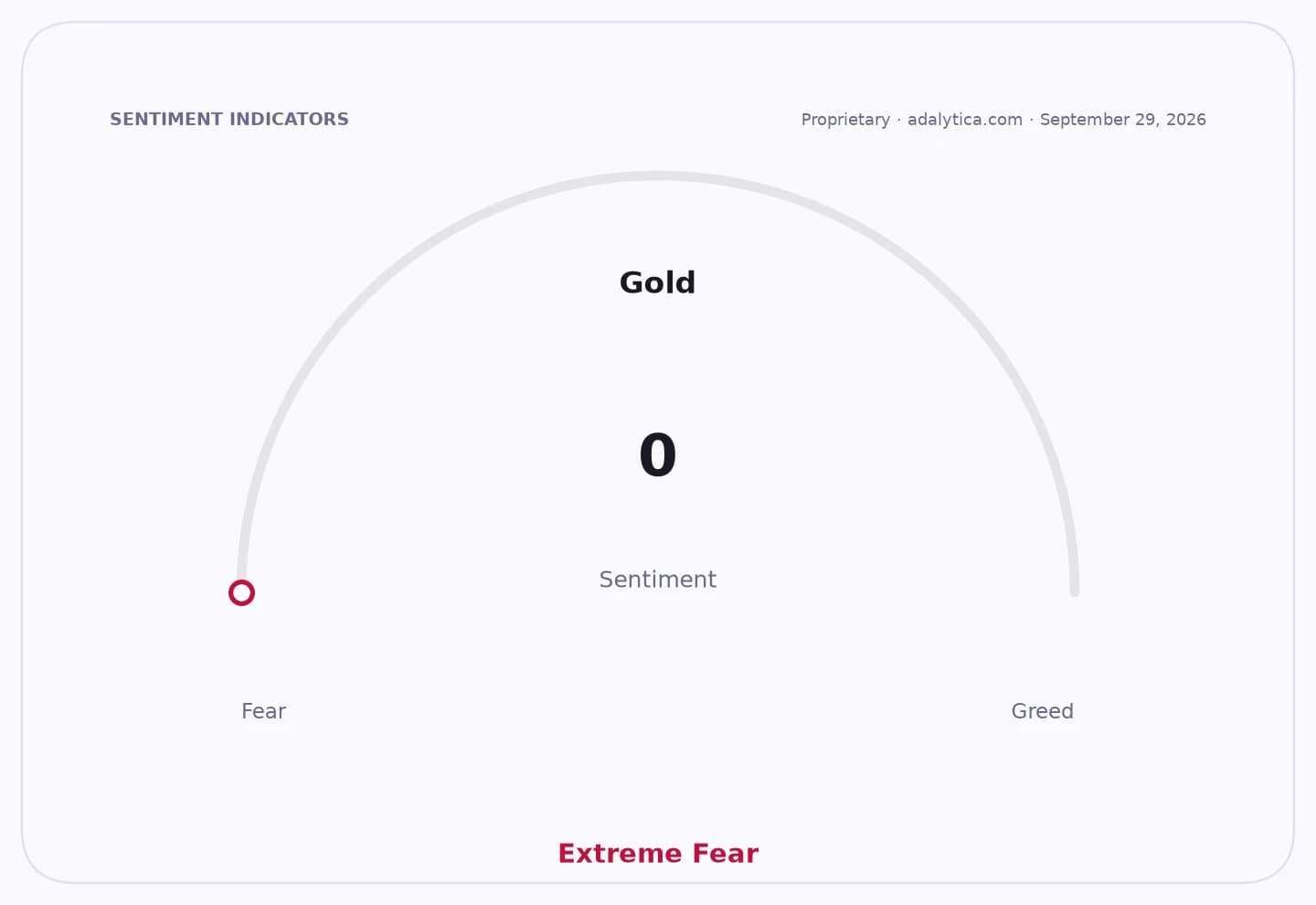
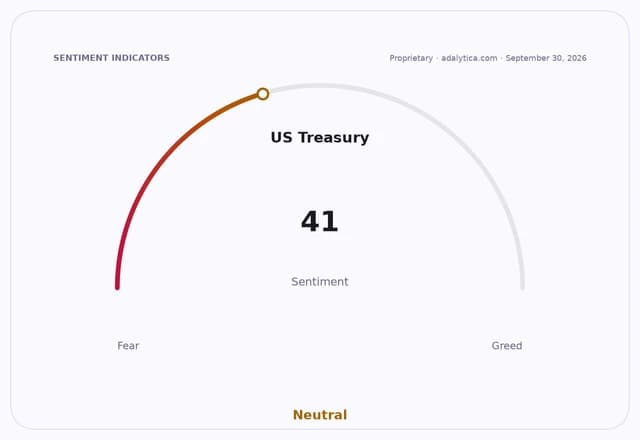
Sentiment IndicatorsⓘProprietary · adalytica.com · September 30, 2026
This is a snapshot — live sentiment, awareness and momentum for 130+ markets update continuously in the dashboard.Open AlphaPulse
The move has been sharp enough to put the market back on the defensive. Spot silver was quoted around $63.70 an ounce, with traders now watching whether the $63.50 area — a key support zone — gives way and opens the door to a retest of $60. The U.S. dollar’s rise to a near two-month high has compounded the pressure, while the market is pricing roughly a 67% chance of another Fed hike in October after last week’s first increase in three years. In other words, the macro backdrop that powered the metal’s earlier gains is turning against it.
The technical picture is weakening too. The 50-day and 200-day moving averages are flattening, suggesting silver is losing momentum after its latest run, while the pullback in bullion-linked funds underscores how quickly positioning can unwind when real yields move higher. iShares Silver Trust, the largest silver ETF, has slipped back toward the mid-$50s, and leveraged products have been hit even harder, reflecting the market’s sensitivity to higher-rate expectations. For investors, that is a warning that silver’s upside remains highly levered to any pause in the tightening cycle.
US Dollar vs SLVadalytica.com
Explore this data interactively — full history, time series and cross-market comparisons.Open AlphaPulse
Yet the bearish case is not a demand-collapse story. Industrial use remains robust, and supply growth has not kept pace, which is why long-term bulls still see silver as structurally attractive. That tension — a tightening financial backdrop versus enduring physical demand — is what makes the setup so investable. If the Fed is forced to keep rates elevated because inflation stays sticky, silver can remain capped near term; but if growth slows, yields retreat and the dollar loses steam, the metal could reprice quickly given how far it has already run.
The bigger takeaway for investors is that silver is entering a make-or-break zone. Near term, I believe the market underestimates how much damage higher U.S. rates can do to the trade. But over a multi-quarter horizon, the combination of industrial demand, constrained supply and eventual policy easing still argues for owning the right vehicles on weakness rather than chasing strength. That means favoring high-quality silver exposure only if $63.50 holds — and using any break lower as a disciplined buying opportunity for the next macro turn.
| Entity | Gains | Losses |
|---|---|---|
| U.S. dollar | ▲Higher appeal | ▼Silver prices |
| U.S. Treasury yields | ▲Yield advantage | ▼Non-yielding metals |
| Fed hawks / rate traders | ▲Stronger case for hikes | ▼Precious-metals bulls |
| Physical silver buyers / long-term investors | ▲Cheaper entry point | ▼Near-term momentum traders |