Saudi credit bureau Simah has opened applications for a 12-month graduate development program that ends in employment, a sign that the kingdom’s financial sector is still competing aggressively for young local talent even as broader labor-market conditions remain mixed.
Simah opens Saudi graduate development program
The program, called Jadir, is aimed at Saudi men and women with bachelor’s degrees or higher and is restricted to graduates of 2025 and 2026 with a grade point average of 4 out of 5 or above, along with English-language proficiency. Simah said participants will receive a monthly stipend, medical insurance, training and professional mentoring before being hired at the end of the scheme.
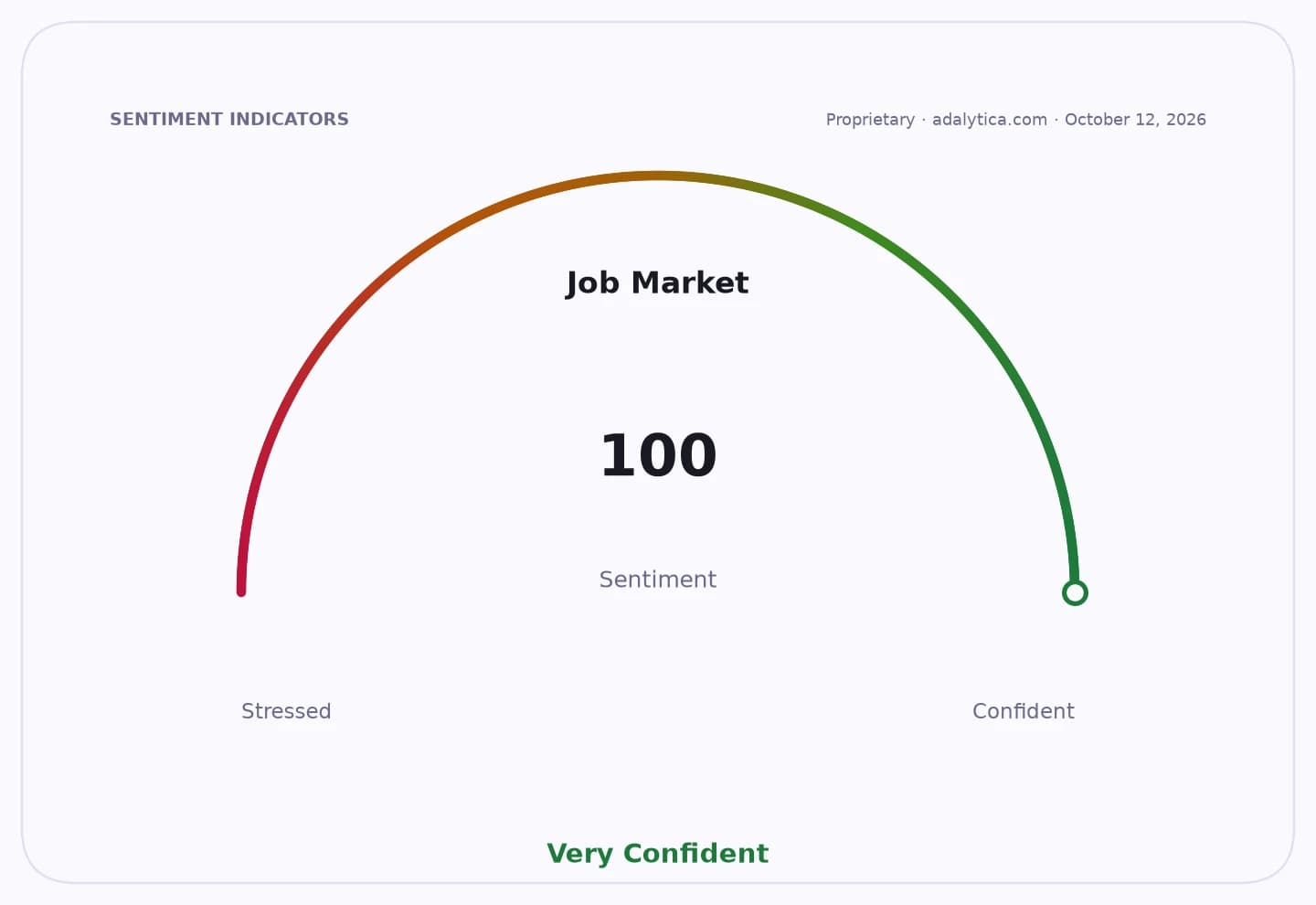
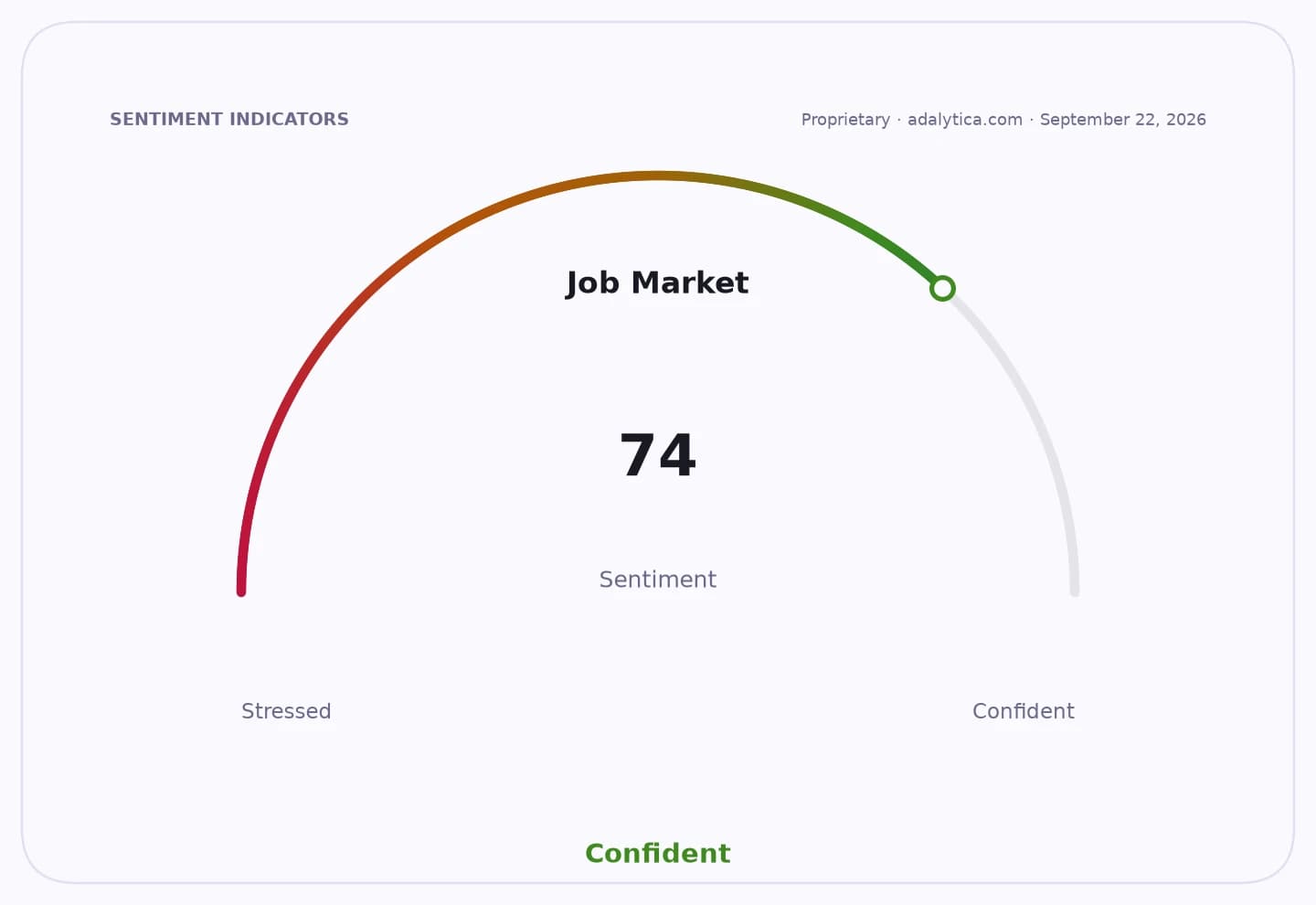
Sentiment IndicatorsⓘProprietary · adalytica.com · October 9, 2026
This is a snapshot — live sentiment, awareness and momentum for 130+ markets update continuously in the dashboard.Open AlphaPulse
For Simah, the initiative is more than a recruitment campaign. Credit bureaus sit at the center of the lending system, and building local expertise in data, risk and financial analysis matters for banks, consumer lenders and the wider push to deepen Saudi capital markets. A structured pipeline from university to permanent employment also helps firms secure talent in a market where competition for skilled nationals remains intense under the kingdom’s localization agenda.
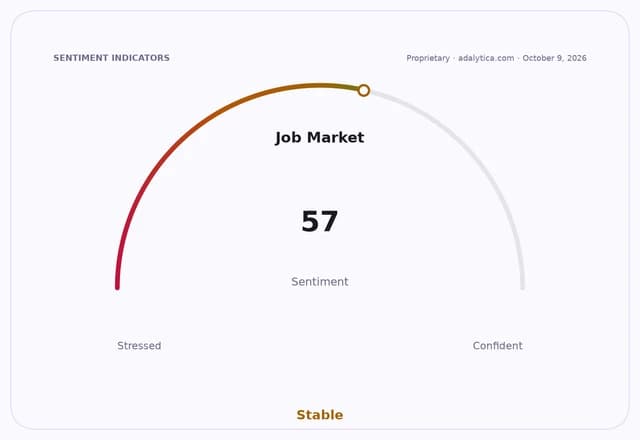
The program also underscores how employers in strategic sectors are using guaranteed employment to attract high-potential graduates. That approach lowers hiring friction for the company and improves visibility for jobseekers, while giving participants a direct route into the financial industry at a time when career entry can be uncertain. Adalytica’s job-market sentiment gauge was neutral at 57, with awareness at 68, suggesting interest in employment-related opportunities remains elevated but not yet overheated.
For investors and market watchers, the main implication is that Saudi financial infrastructure firms are still investing in human capital rather than cutting costs aggressively, which supports the longer-term quality of credit underwriting and analytics. The bull case is that programs like Jadir help create a deeper talent pool and reinforce Simah’s role in a maturing financial ecosystem. The bear case is that the program’s narrow eligibility and limited scale mean it is more symbolic than systemically meaningful.
The broader takeaway is that Saudi Arabia’s drive to localize skills is increasingly moving beyond basic hiring into formalized training-to-employment tracks. If similar programs spread across banks, insurers and fintechs, they could improve workforce quality and reduce reliance on imported expertise, but they will also raise expectations among graduates for clearer pathways into stable, high-quality jobs.
| Entity | Gains | Losses |
|---|---|---|
| Simah | ▲Access to young local talent | ▼Higher training and hiring costs |
| Saudi graduates | ▲Paid training and job pathway | ▼Narrow eligibility criteria |
| Saudi financial sector | ▲Stronger local skills pipeline | ▼More competition for top candidates |
| Foreign recruiters/imported talent | ▲— | ▼Fewer openings for external hires |