Singapore’s ability to tap the latest AI models from both the U.S. and China is emerging as a competitive edge in its race with Hong Kong for financial and tech talent, even as the global AI contest deepens and markets stay fixated on the biggest model providers.
Singapore AI access boosts finance and tech hub push
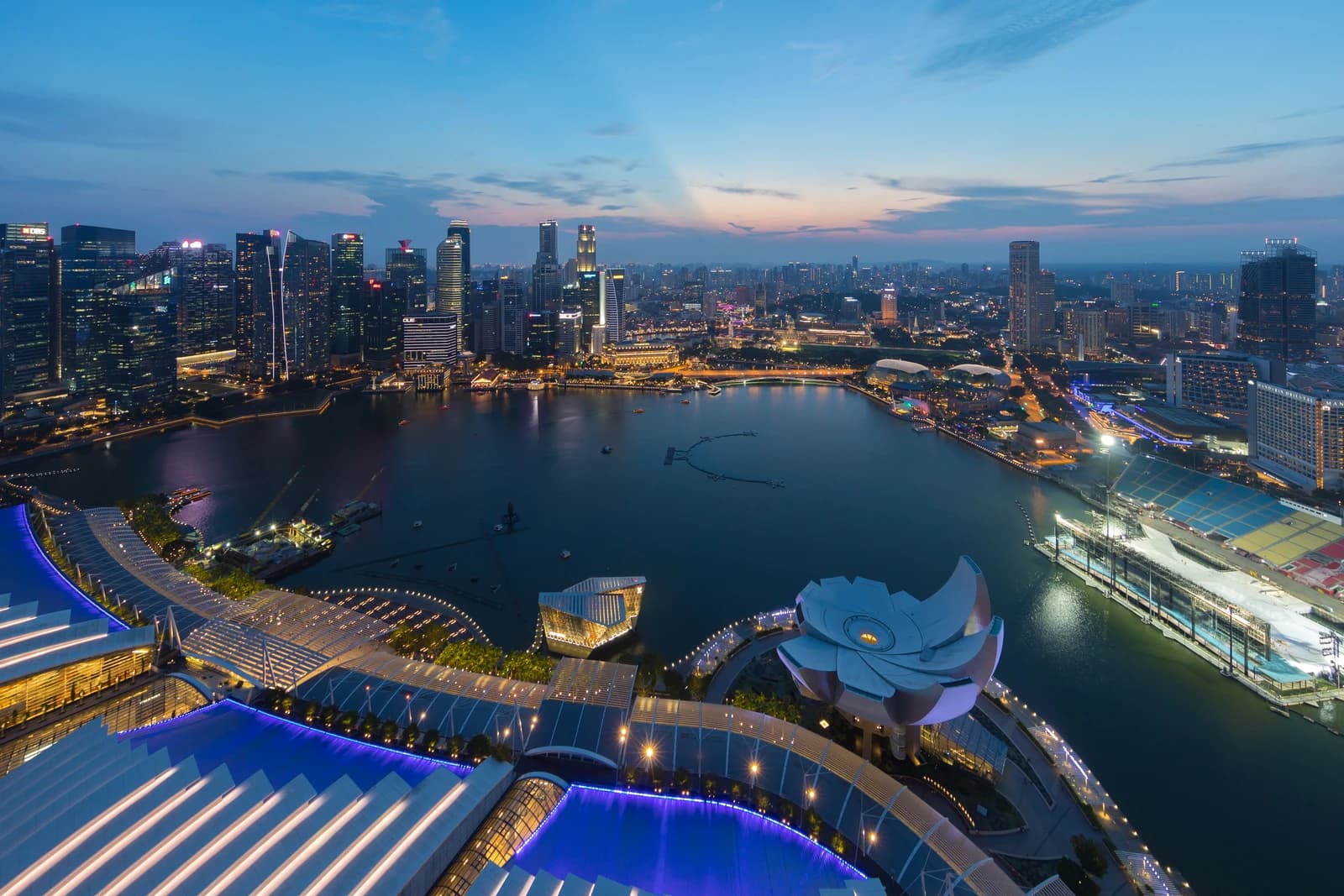
For investors, the story is less about a single model launch than about where the AI ecosystem can be used, monetized and staffed. Singapore’s neutral position between Washington and Beijing gives banks, cloud firms and startups a jurisdiction where frontier tools are easier to access, helping the city-state market itself as the regional hub for AI deployment, dealmaking and high-value jobs.
Sentiment IndicatorsⓘProprietary · adalytica.com · August 16, 2026
This is a snapshot — live sentiment, awareness and momentum for 130+ markets update continuously in the dashboard.Open AlphaPulse
That matters economically because AI access is becoming a location decision, not just a software choice. If companies can test and deploy the newest models in Singapore with less geopolitical friction, the city-state gains an edge in attracting finance, professional services and technology workloads that would otherwise drift to competing centers.
The backdrop is a sharper U.S.-China technology split. Meta chief executive Mark Zuckerberg has warned that China could gain an edge in AI and has urged the U.S. to speed up development, while Beijing continues to push its own AI agenda alongside tighter controls. Singapore’s value is that it remains connected enough to both sides to keep the latest tools within reach.
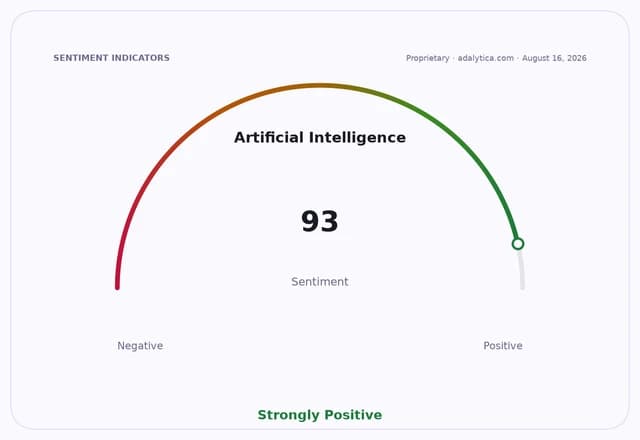
Markets are already signaling how central AI remains to valuations. The Adalytica AI sentiment gauge shows “Extreme Greed” at 93, while Microsoft earnings sentiment is also at “Extreme Greed” at 89, underscoring how heavily investors remain positioned around AI infrastructure, model access and the companies best placed to sell picks-and-shovels services.
For broader Asia exposure, the takeaway is that the AI race is no longer just about chips and cloud budgets. It is also about which financial centers can absorb the next wave of AI adoption without being forced to choose sides too early.
That keeps Singapore in a relatively strong spot versus Hong Kong, but the advantage is not permanent. Any tightening in U.S. export controls, Chinese regulations or corporate compliance rules could quickly change how freely frontier models move across borders, making policy as important as product in the next phase of the AI contest.
| Entity | Gains | Losses |
|---|---|---|
| Singapore | ▲Talent magnet status | ▼Hong Kong rivalry pressure |
| Banks and startups in Singapore | ▲Easier frontier AI access | ▼Geopolitical compliance risk |
| U.S. and Chinese AI model makers | ▲Wider regional usage | ▼Greater regulatory scrutiny |
| Hong Kong | ▲— | ▼AI hub competitiveness |