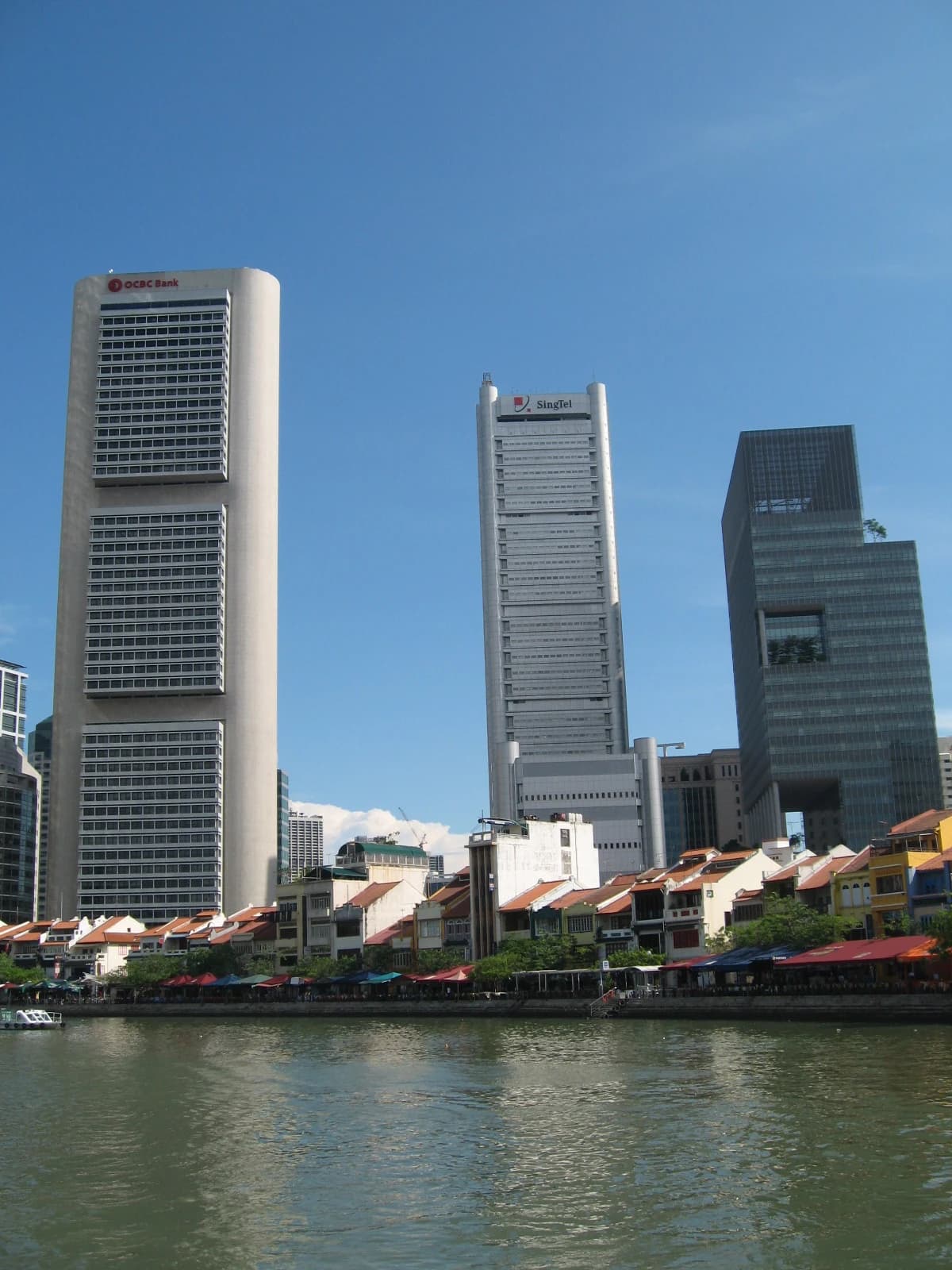
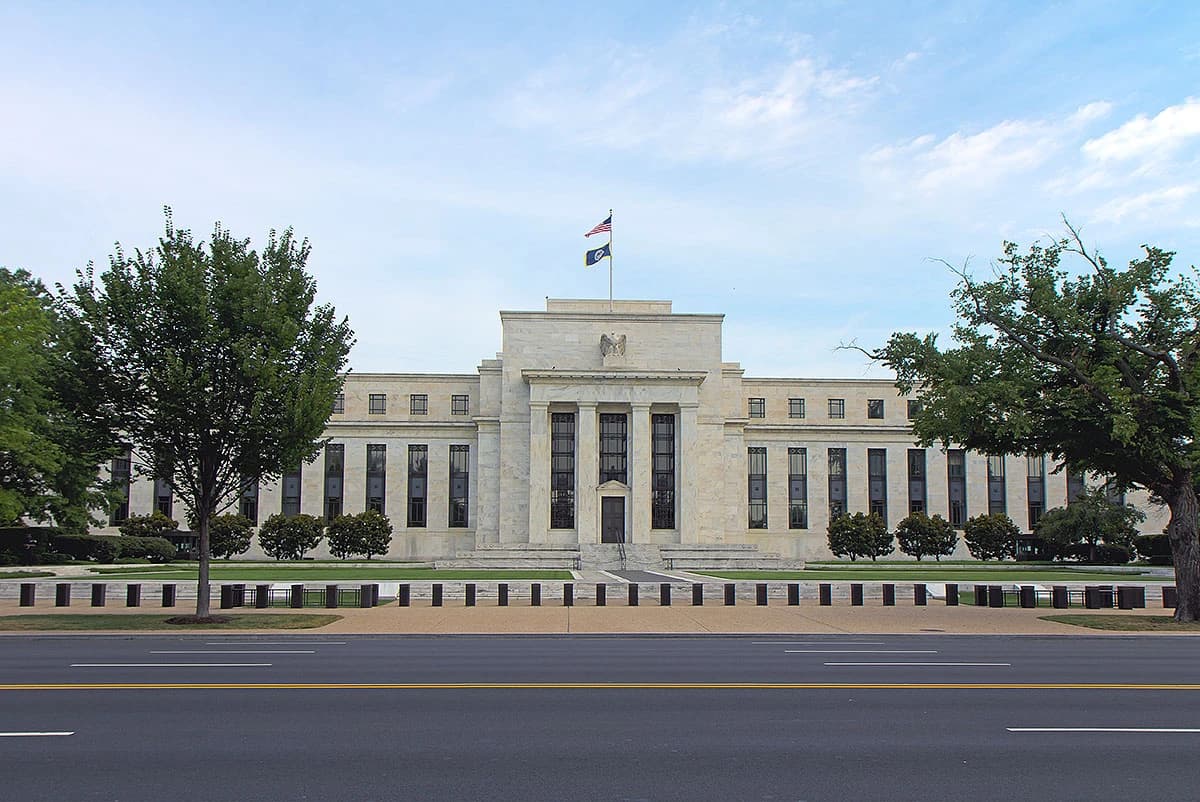
Singapore home loan rates are climbing again after the US Federal Reserve resumed its tightening cycle, pushing both fixed and floating mortgage packages higher across the city-state’s major banks and raising borrowing costs for households at a time when financing remains a key support for the property market.
Singapore mortgage rates rise as Fed tightens again
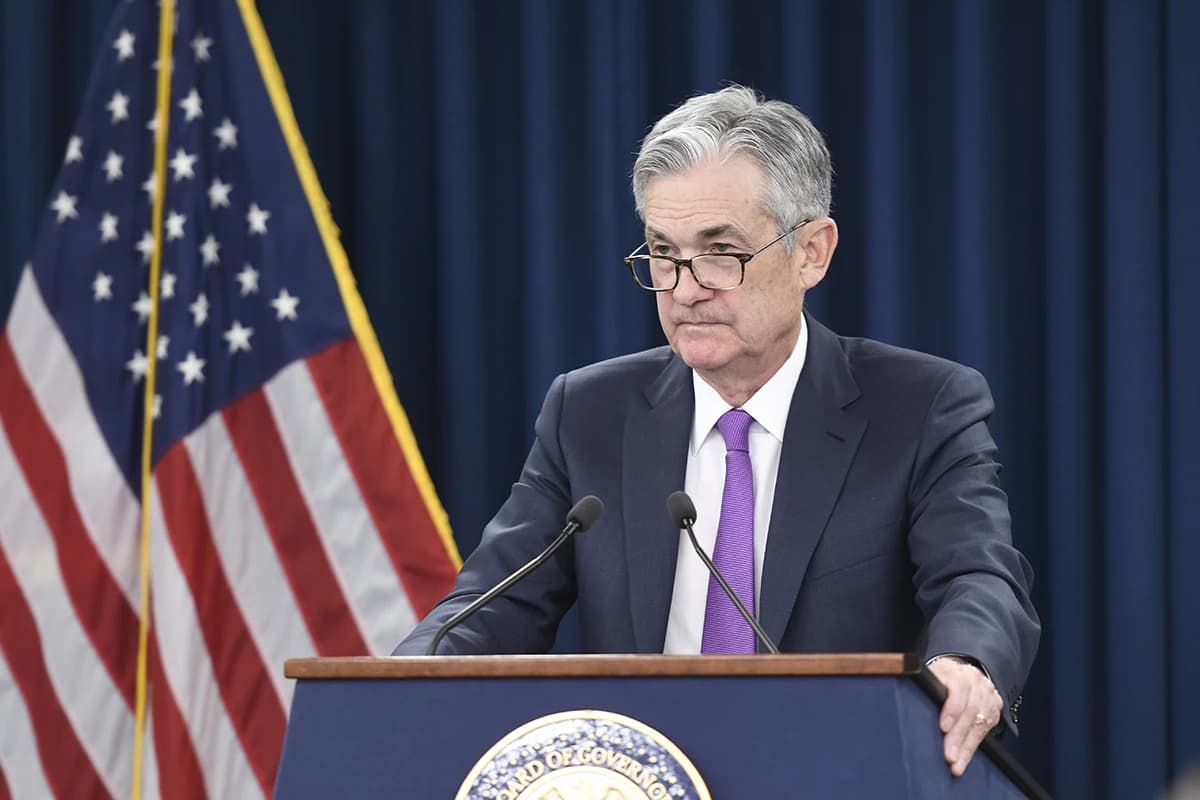
The move matters because Singapore’s mortgage market is closely linked to offshore funding costs and rate expectations, even though the central bank manages policy through the currency rather than a policy rate. As US rates rise, Singapore dollar swap rates and SORA — the benchmark for floating home loans — tend to move higher, which feeds through into bank pricing for both fixed and variable packages.
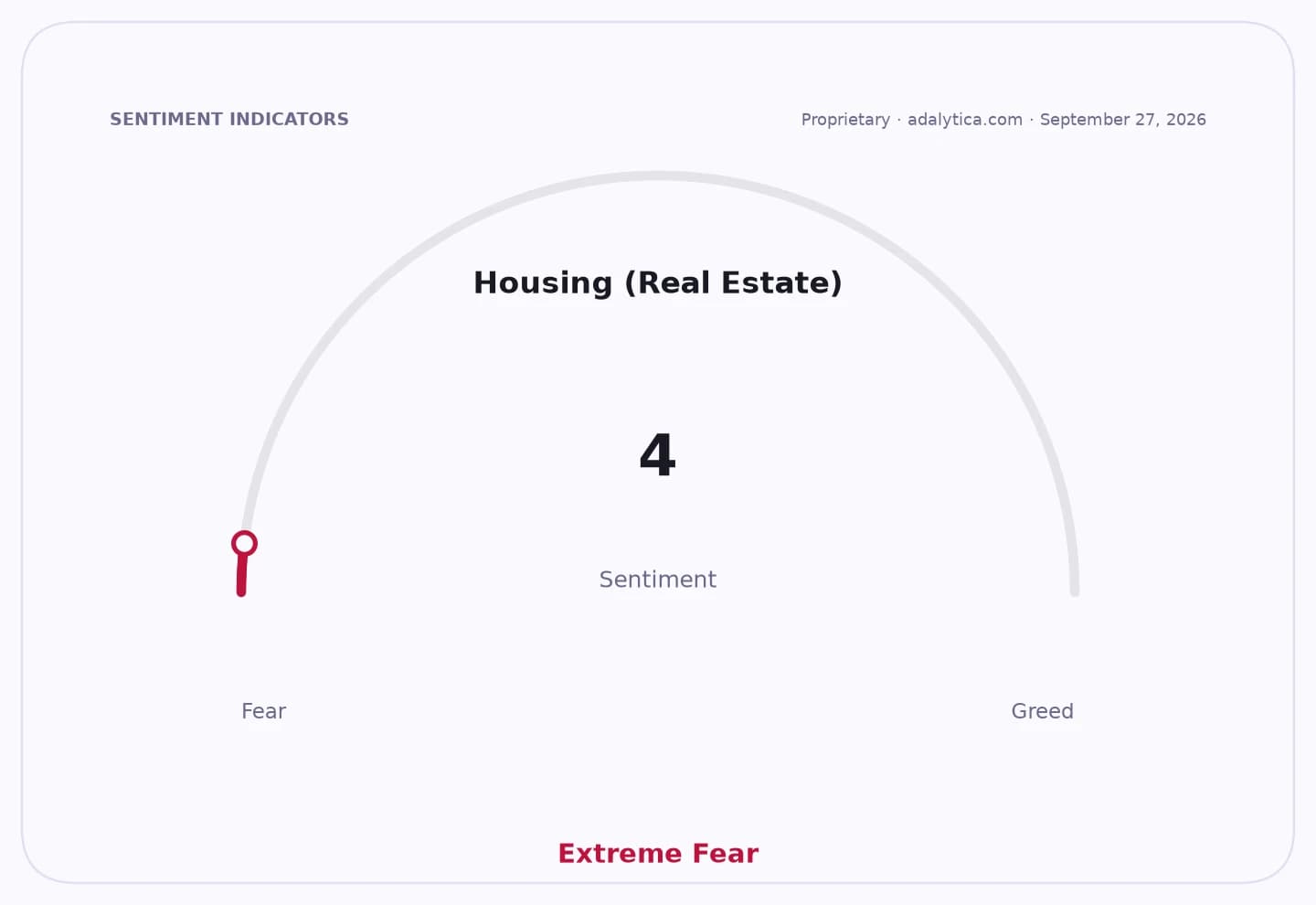
Sentiment IndicatorsⓘProprietary · adalytica.com · October 2, 2026
This is a snapshot — live sentiment, awareness and momentum for 130+ markets update continuously in the dashboard.Open AlphaPulse
At least four fixed-rate options for a S$500,000 loan on new private properties and HDB flats have now crossed 2 per cent, according to Mortgage Master’s website. Maybank is charging 2.55 per cent for a three-year fixed package, OCBC is offering 2.08 per cent, Citi has a 2.2 per cent two-year package and Standard Chartered lifted its one- and two-year fixed rates to 2 per cent. OCBC said it adjusted rates after the Fed’s 0.25 percentage point hike on Sep. 17, while UOB also moved selected packages ahead of the September meeting.
The rise in fixed rates reflects a jump in Singapore dollar Overnight Indexed Swap rates, which banks use as a funding reference for one- to three-year home loans. OCBC said those swap rates rose by nearly 0.3 percentage point in September, prompting its own fixed-rate increase of about 0.2 percentage point. That makes mortgage pricing in Singapore a more direct function of global rate expectations than many borrowers may assume.
DGS10 vs FEDFUNDS — macro contextadalytica.com
Explore this data interactively — full history, time series and cross-market comparisons.Open AlphaPulse

Floating rates are moving up too. SORA, the main benchmark for floating-rate Singapore dollar loans, has hovered around 1.2 per cent after bottoming near 1 per cent in the second quarter of 2026, and banks are passing that through to customers even when their own spreads stay unchanged. DBS strategist Joanne Goh said markets are now pricing in one more US rate increase in 2026 and another by early 2027, which would take US rates to 4.25 per cent to 4.5 per cent.
For households, the immediate issue is not just a higher headline rate but the narrow gap between fixed and floating packages. Most floating loans are now around 1.5 per cent to 1.8 per cent, leaving fixed-rate products only slightly dearer and turning the choice into a bet on future rates rather than an obvious cost comparison. Mortgage advisers say that makes fixed loans look more attractive as insurance against further increases, even if they cost a little more today.
That choice matters economically because mortgage payments affect consumption, refinancing activity and property demand. If borrowing costs continue to rise, homeowners who are already stretched may delay upgrades or purchases, while first-time buyers may become more selective. The HDB concessionary loan rate, unchanged at 2.6 per cent for two decades, provides an alternative for public housing buyers, but bank packages remain central to market pricing.
There is some restraint in Singapore’s system. Unlike the US, the city-state uses exchange-rate policy to fight inflation, and the banking system still has ample liquidity. That should limit how far local mortgage rates rise relative to US borrowing costs. Even so, bankers and mortgage brokers are warning that floating-rate borrowers are likely to face more pressure over the next six to 12 months if global inflation remains sticky and energy prices keep central banks cautious.
Investors will read the shift as a sign that the higher-for-longer rates environment is not confined to the US. For Singapore banks, wider mortgage spreads can support net interest income, but higher rates also raise the risk of slower loan growth and a softer housing market if affordability deteriorates. For developers and property-linked assets, the key question is whether buyer demand can absorb another leg up in financing costs.
| Entity | Gains | Losses |
|---|---|---|
| Singapore banks | ▲Wider loan margins | ▼Slower mortgage demand |
| Fixed-rate borrowers | ▲Payment certainty | ▼Slightly higher upfront cost |
| Floating-rate borrowers | ▲Potential benefit if rates reverse | ▼Near-term repayment pressure |
| Property market | ▲Continued financing availability | ▼Weaker affordability and demand |