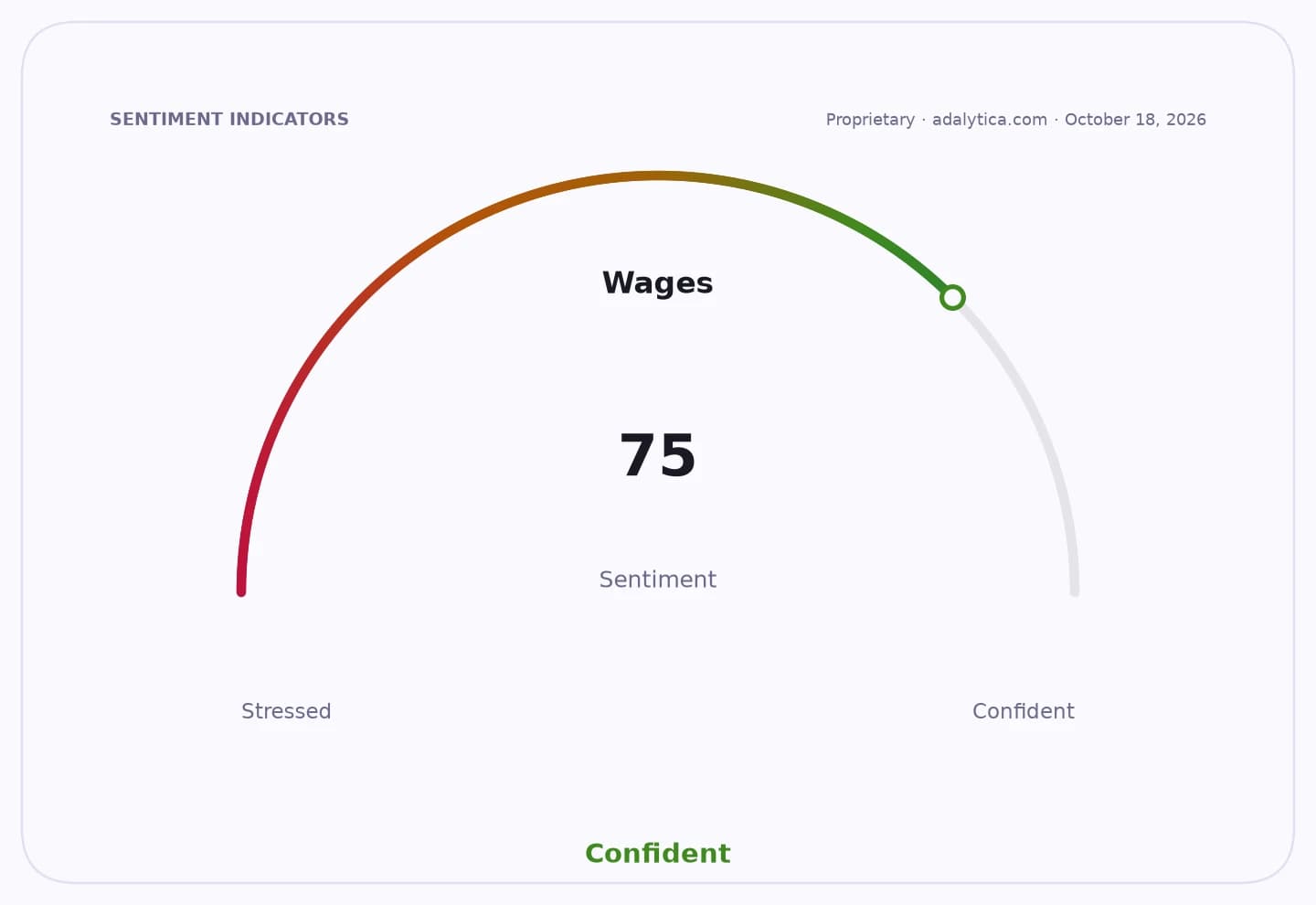
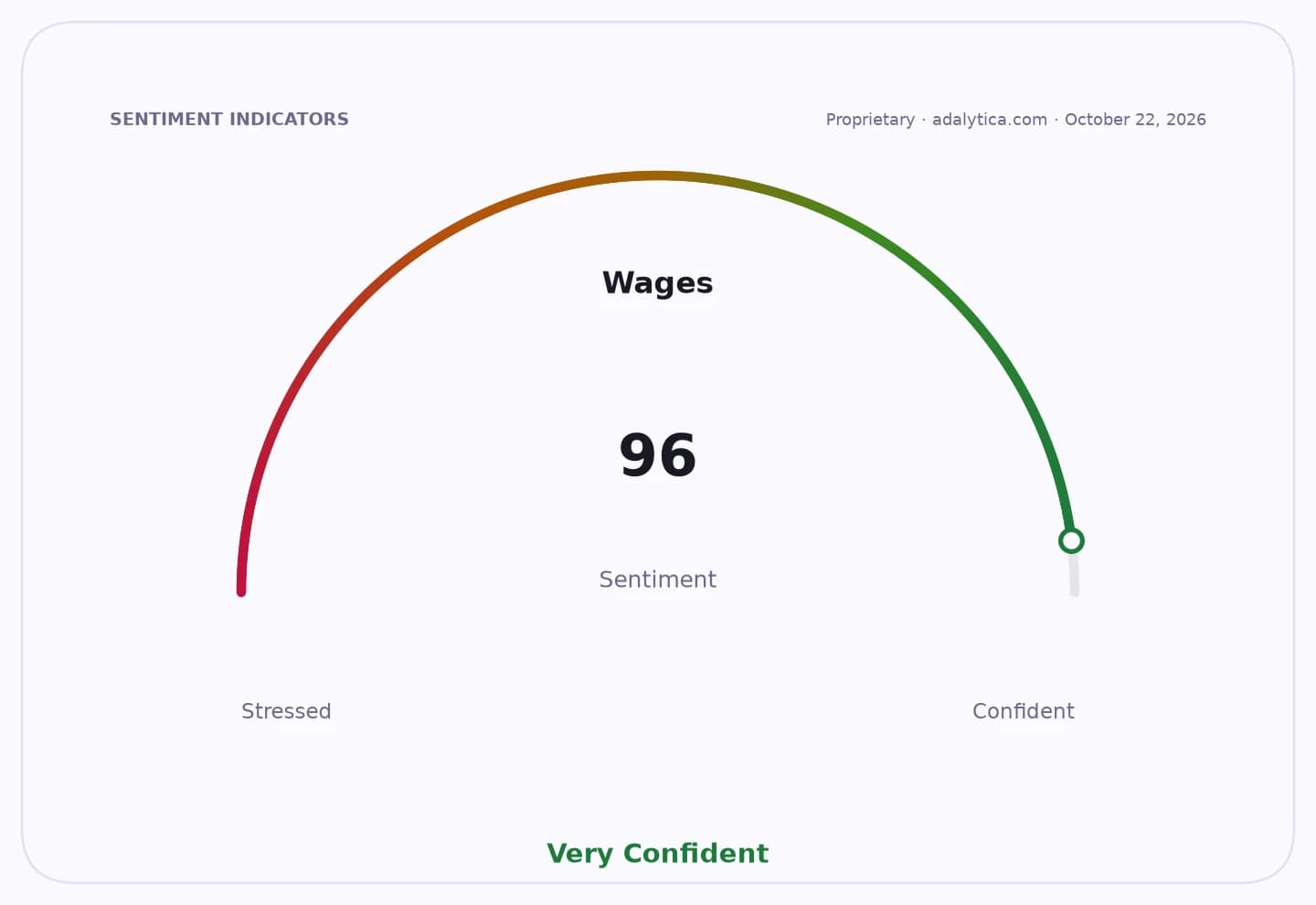
Singapore’s labour movement is backing a new salary guide that could reshape pay expectations across key occupations, giving workers and employers a clearer benchmark at a time when real-wage pressures and hiring competition remain elevated.
Singapore Salary Guide Backed by NTUC
The National Trades Union Congress said it welcomes the guide because it can help narrow information gaps in the labour market, where many workers still negotiate pay without knowing what similar roles typically command. For employees, that matters because better pay visibility can strengthen bargaining power and reduce the risk of being underpaid. For employers, it could make recruitment and retention more orderly, but also put pressure on firms to justify pay structures more explicitly.
The economic significance is in the way salary transparency can improve labour market efficiency. If workers are better informed, wages tend to adjust faster to shortages, skill premiums and inflationary pressure. That can be positive for household incomes and domestic consumption, especially in a labour market where services, logistics, healthcare and tech roles have remained competitive. But it can also lift labour costs for businesses already managing softer demand and higher operating expenses.
For investors, the guide matters because Singapore’s wage trajectory feeds directly into margins in labour-intensive sectors such as retail, food services, transport and staffing. Companies with strong pricing power may be able to absorb higher compensation costs, while those in low-margin industries may face squeeze risk if they must raise pay to stay competitive. Listed employers in consumer services, industrials and recruitment-linked businesses are likely to be watched for signs of margin discipline and staff turnover.
The broader narrative is one of a tighter, more transparent labour market in Singapore, where policy and union support are pushing wages toward clearer benchmarks rather than opaque negotiation. That may support productivity and fairness over time, but it also raises the bar for businesses that have relied on wage compression. The key question now is whether the guide becomes a reference point that raises pay norms gradually, or a catalyst for faster wage repricing across the economy.
| Entity | Gains | Losses |
|---|---|---|
| Workers | ▲Better pay visibility | ▼Less room for underpayment |
| Employers with strong margins | ▲Easier recruitment | ▼Higher wage expectations |
| Labour-intensive businesses | ▲More structured hiring | ▼Margin pressure |
| NTUC / policymakers | ▲Greater pay transparency | ▼Need to manage employer pushback |