President Lee’s framing of AI data centers as a pillar of industrial growth is sharpening the policy case for one of South Korea’s biggest infrastructure bets, with SK stepping up investment at its Ulsan site as the country races to secure a bigger role in the AI supply chain.
SK boosts Ulsan AI data center investment
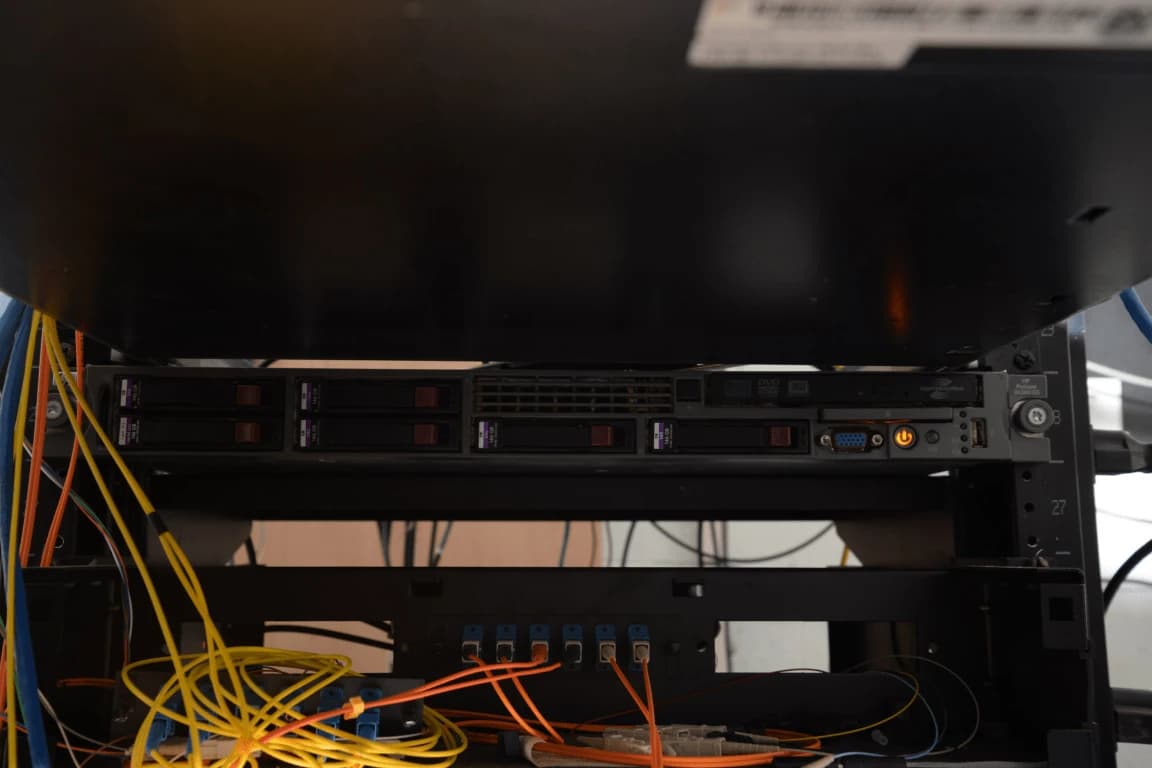
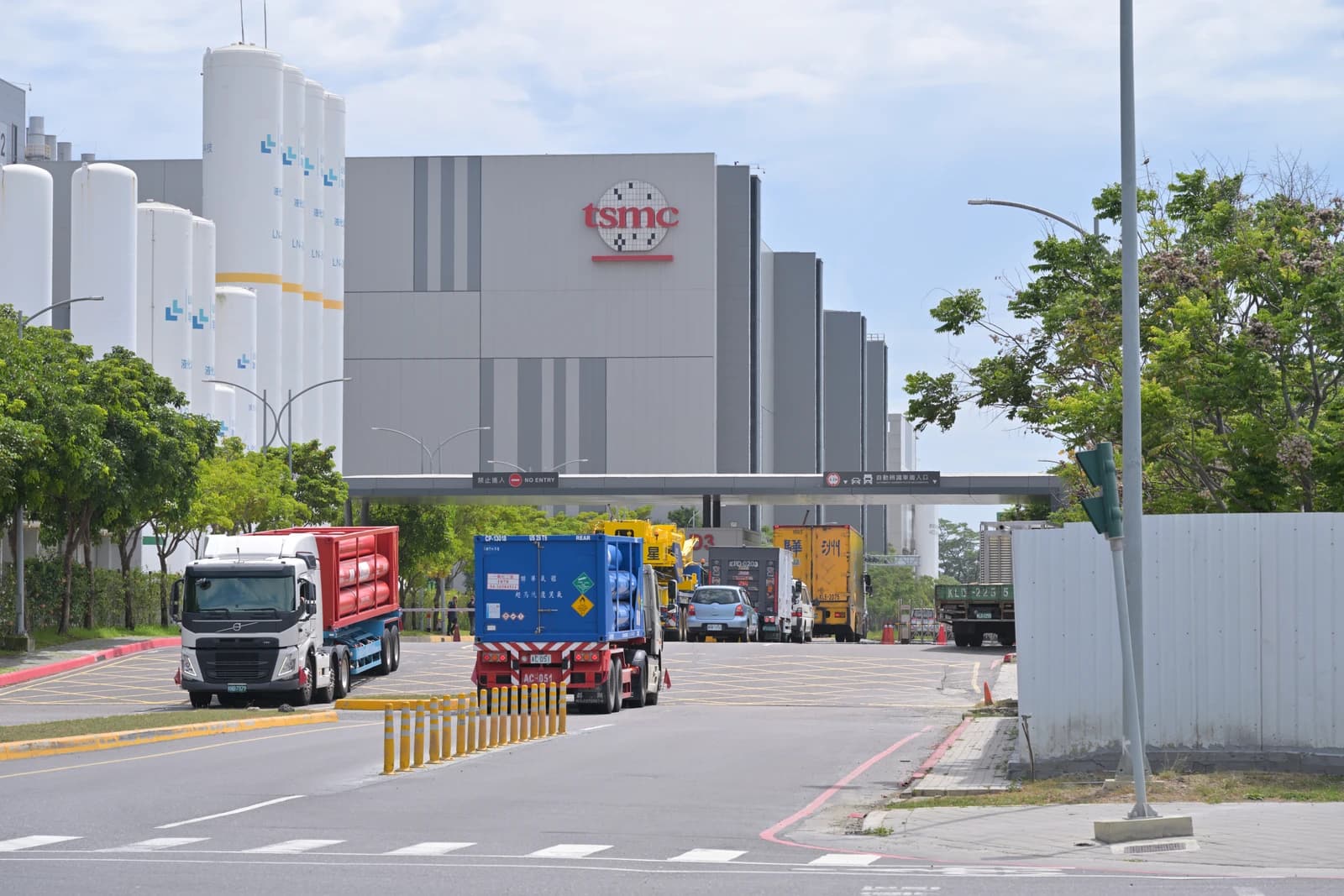
That matters because data centers are becoming the physical backbone of the AI boom, driving demand for chips, power, cooling and high-speed networking while reshaping where capital flows. For South Korea, the project is more than a regional development plan: it is a bid to anchor advanced compute capacity at home, support industrial upgrading and keep more of the AI value chain inside the country.
Sentiment Indicators
The timing also underscores how governments are moving from AI rhetoric to industrial policy. In the U.S., former President Donald Trump has warned of steep penalties on tech companies that build AI data centers abroad, highlighting a broader push to keep strategic compute infrastructure domestic. The result is a more politicized global race for AI capacity, where access to land, power and permitting is becoming as important as semiconductors.
For investors, the narrative cuts across multiple trades. NVIDIA remains the core proxy for AI buildout, even after its shares fell to $125.53 on Nov. 20 from $221.97 on Oct. 21, while AMD slid to $424.39 from $552.72 over the same period as the broader AI complex sold off. Equinix, a barometer for data-center real estate demand, dropped to $968.22 from $1,036.50, reflecting how quickly sentiment can swing when the market reassesses the durability of AI capital spending.
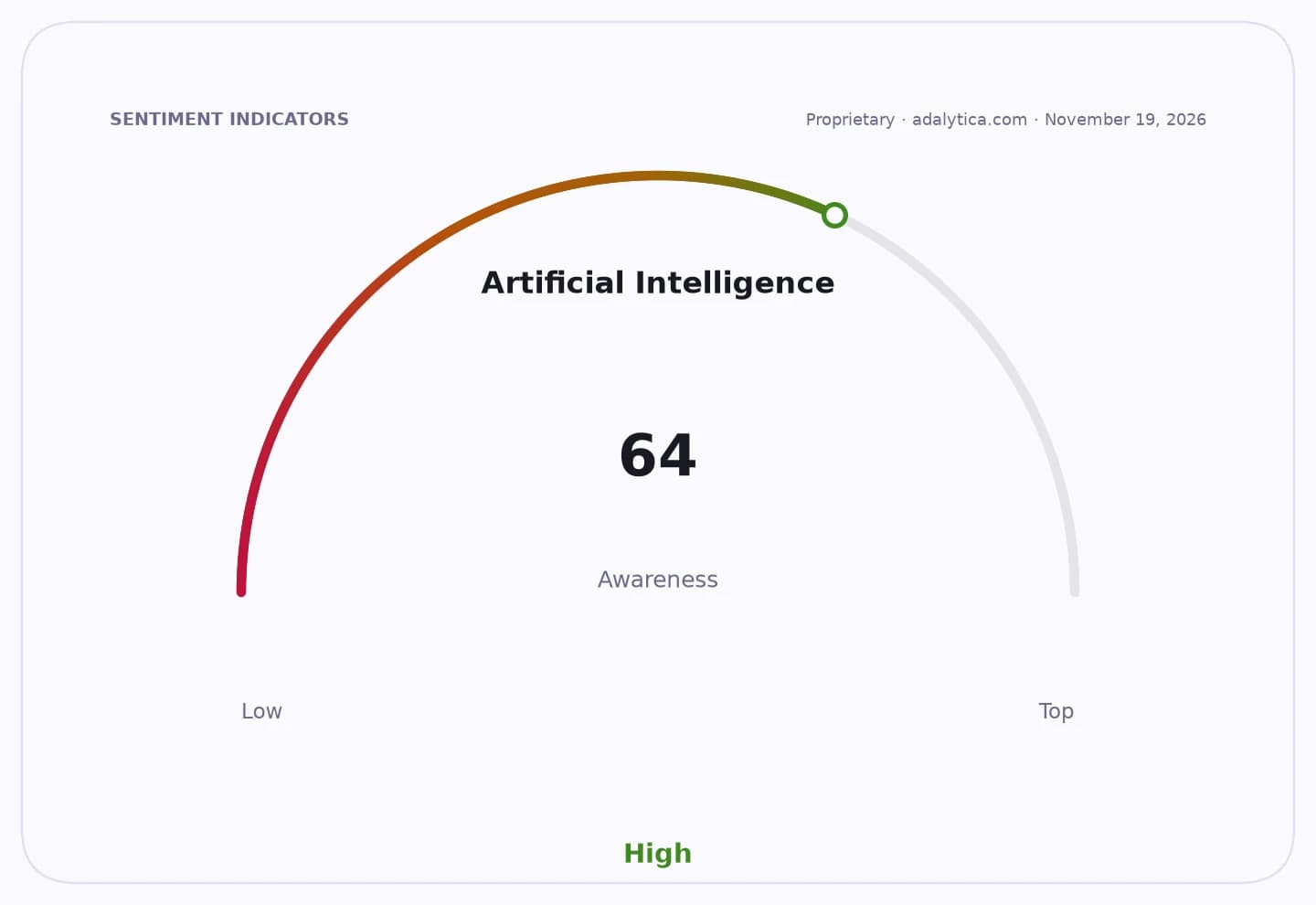
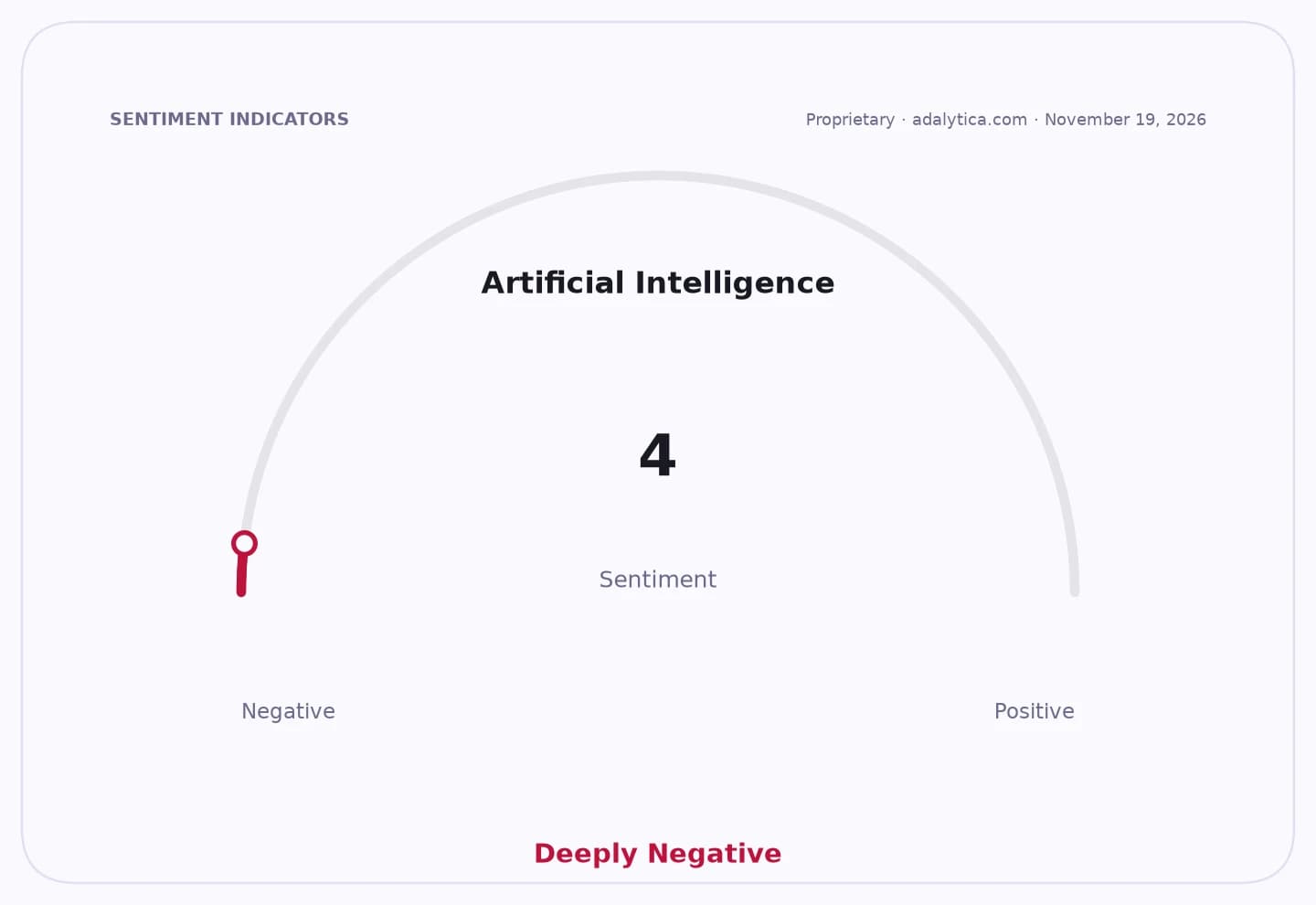
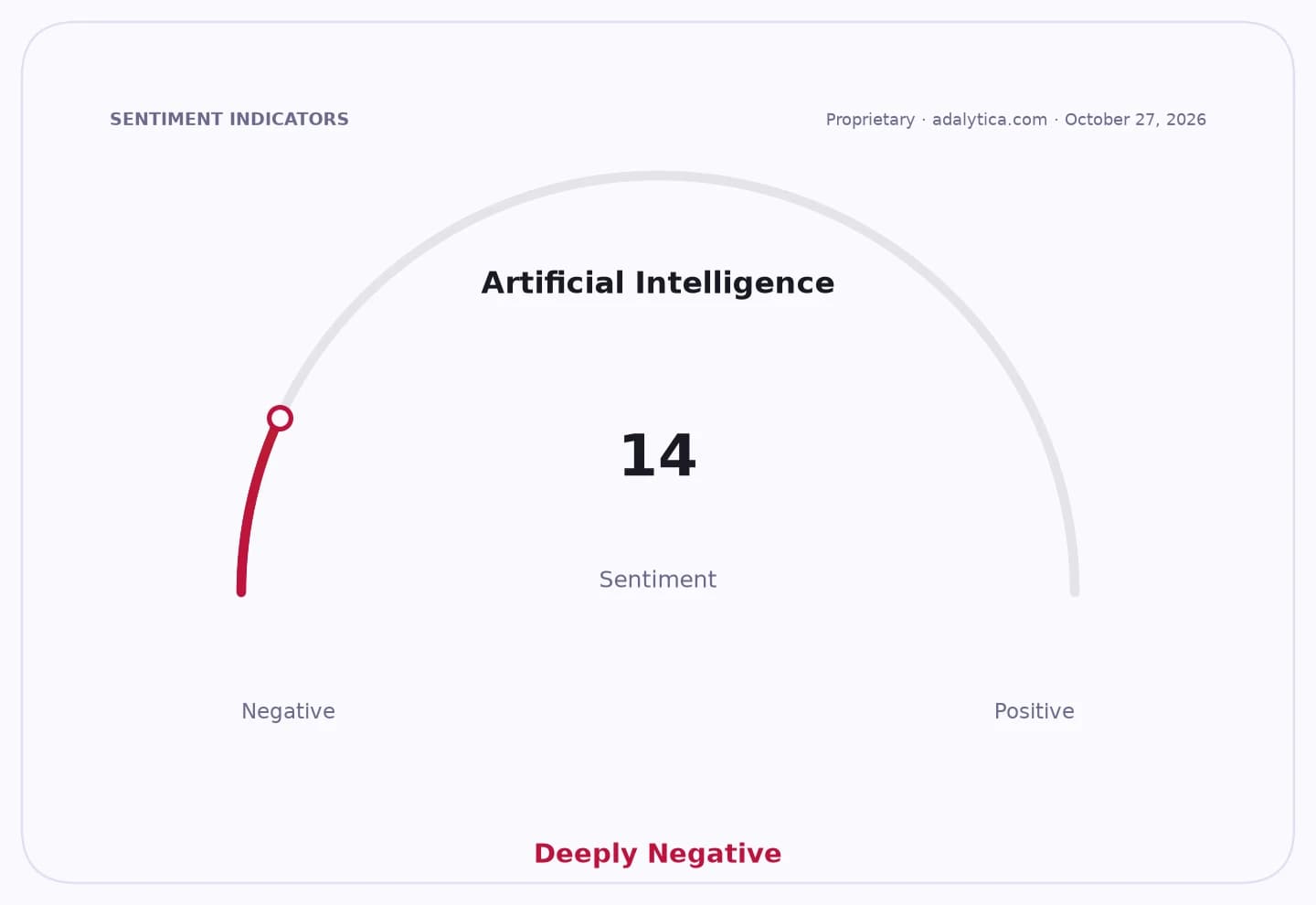
Those moves came alongside conventional technical weakness across the sector, with NVIDIA’s relative strength index sinking to 13.7 and AMD’s to 45.8, while Equinix’s RSI eased to 46.7, levels that point to heavy selling pressure in the near term. Adalytica’s NVIDIA earnings sentiment remains neutral at 32, but the broader AI sentiment snapshot shows fear at 18 even as awareness stays at an extreme-greed 93, a sign the theme remains crowded despite the pullback.
For SK, the Ulsan investment boost offers a potential tailwind if it helps secure policy support, partners and long-cycle demand tied to AI infrastructure. The bigger question for the market is whether the surge in spending on data centers translates into sustained earnings growth for chipmakers, operators and power-intensive infrastructure names — or whether policy friction and financing costs start to slow the pace of expansion.
| Entity | Gains | Losses |
|---|---|---|
| SK | ▲Policy support, industrial upside | ▼Capital intensity, execution risk |
| South Korea | ▲More AI infrastructure, domestic investment | ▼Higher power and land demand |
| NVIDIA, AMD | ▲Data-center chip demand | ▼Near-term AI valuation pressure |
| Equinix | ▲Colocation demand from AI buildout | ▼Slower AI spending, pricing pressure |