Pretty soon, Skechers’ shoes are expected to show up at Target and Walmart for under $30, a move that would widen distribution for one of the best-known value footwear brands and sharpen competition in a category where price-sensitive shoppers are still trading down.
Skechers to Sell Shoes Under $30 at Target and Walmart
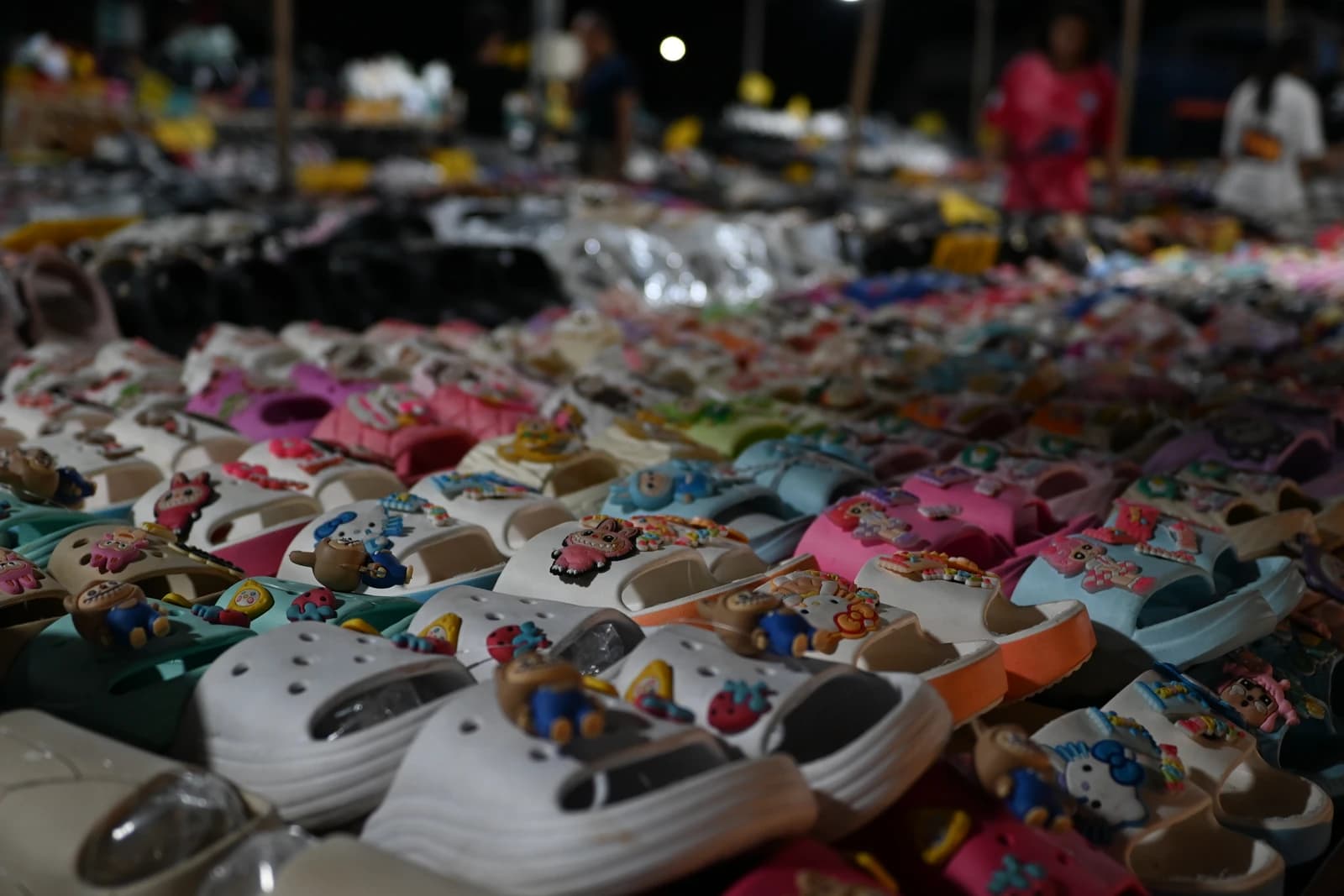
The shift matters because it puts a leading comfort-shoe label directly into the traffic-rich aisles of two of the biggest U.S. mass merchants at a time when consumers remain focused on bargains. For Skechers, broader placement can mean volume, visibility and a larger share of the budget footwear market. For Target and Walmart, it reinforces a strategy of leaning into private-label-like price points and recognizable national brands that can pull shoppers into stores and online baskets.
Investors will read the development as a test of how much pricing power remains in affordable footwear. Shoes below $30 sit squarely in the part of the market that has benefited from persistent value-seeking behavior, especially among lower- and middle-income households. If Skechers can maintain sell-through at that price while expanding distribution, it strengthens the case for resilient demand. If margin pressure rises, it could show that growth in mass retail comes at the expense of profitability.
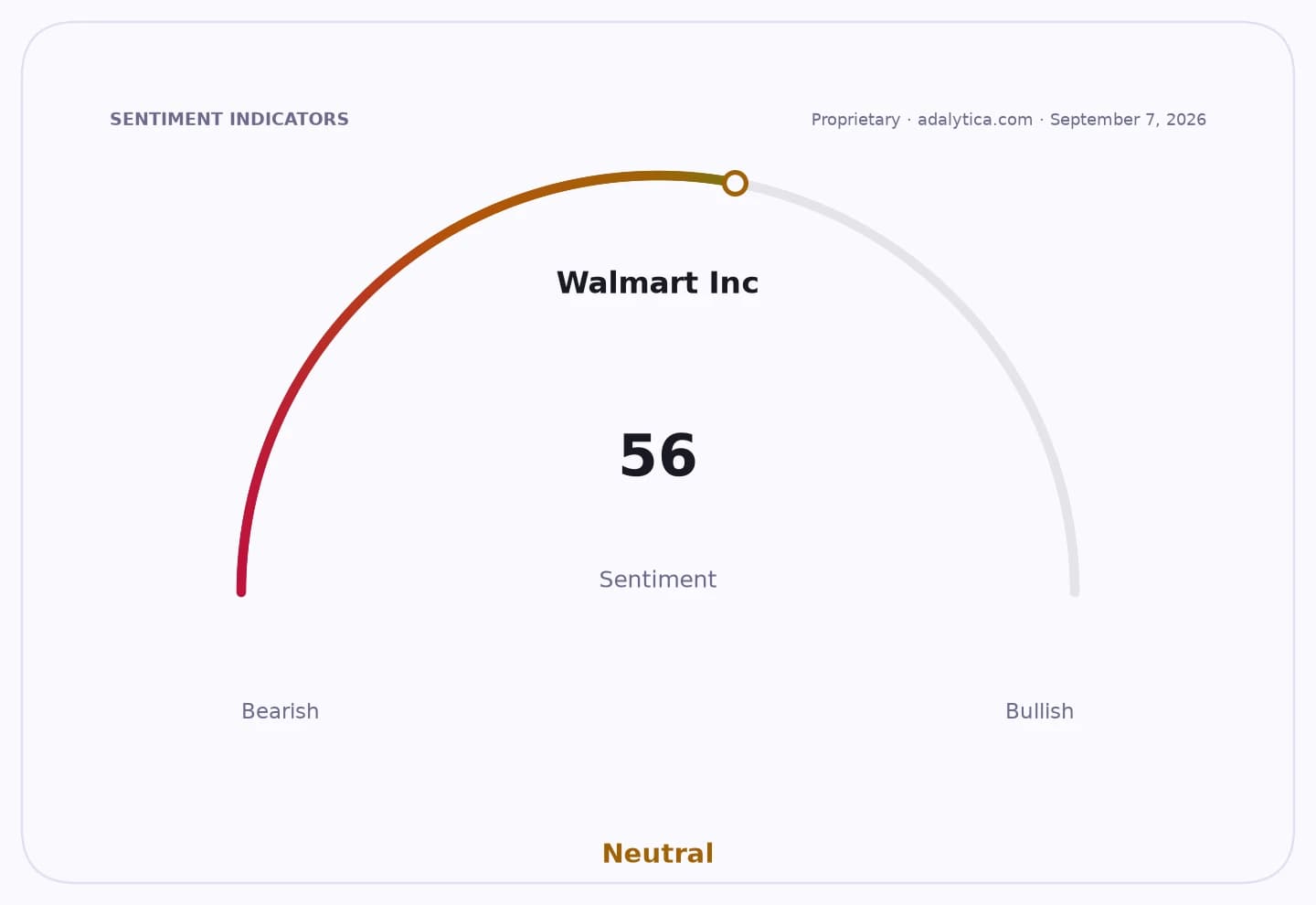
The market backdrop is mixed. Target’s shares have recovered sharply from earlier weakness, with the stock recently around $156, well above its 50-day moving average of about $155, after a volatile stretch that included an oversold reading on the relative strength index earlier in the year. Walmart has also held up better on a fundamental basis, though its stock has cooled from earlier highs and was recently near $104, below its 50-day average and still under its 200-day trend. For both retailers, value-oriented merchandise remains central to traffic and basket growth.
For Skechers, the appeal is obvious: mass retail expands reach without relying solely on company-owned stores or higher-end wholesale partners. But the channel mix matters. Under-$30 footwear can support unit growth while compressing average selling prices, and that raises questions about whether the company is deepening its penetration of a highly competitive segment or simply chasing volume in a lower-margin lane.
The bigger narrative is that footwear is becoming more closely tied to the same consumer trade-down dynamics that have shaped groceries, apparel and household essentials. If Target and Walmart can turn Skechers into a mainstream sub-$30 buy, it would show that branded footwear can still find a large audience in discount retail. The risk for investors is that the opportunity comes with less pricing flexibility and greater dependence on promotional execution heading into the holiday season and beyond.
| Entity | Gains | Losses |
|---|---|---|
| Skechers | ▲Wider distribution | ▼Pricing power |
| Target | ▲Traffic from value shoppers | ▼Margin cushion |
| Walmart | ▲More basket lift | ▼Premium-brand scarcity |
| Competing shoe brands | ▲— | ▼Shelf space |