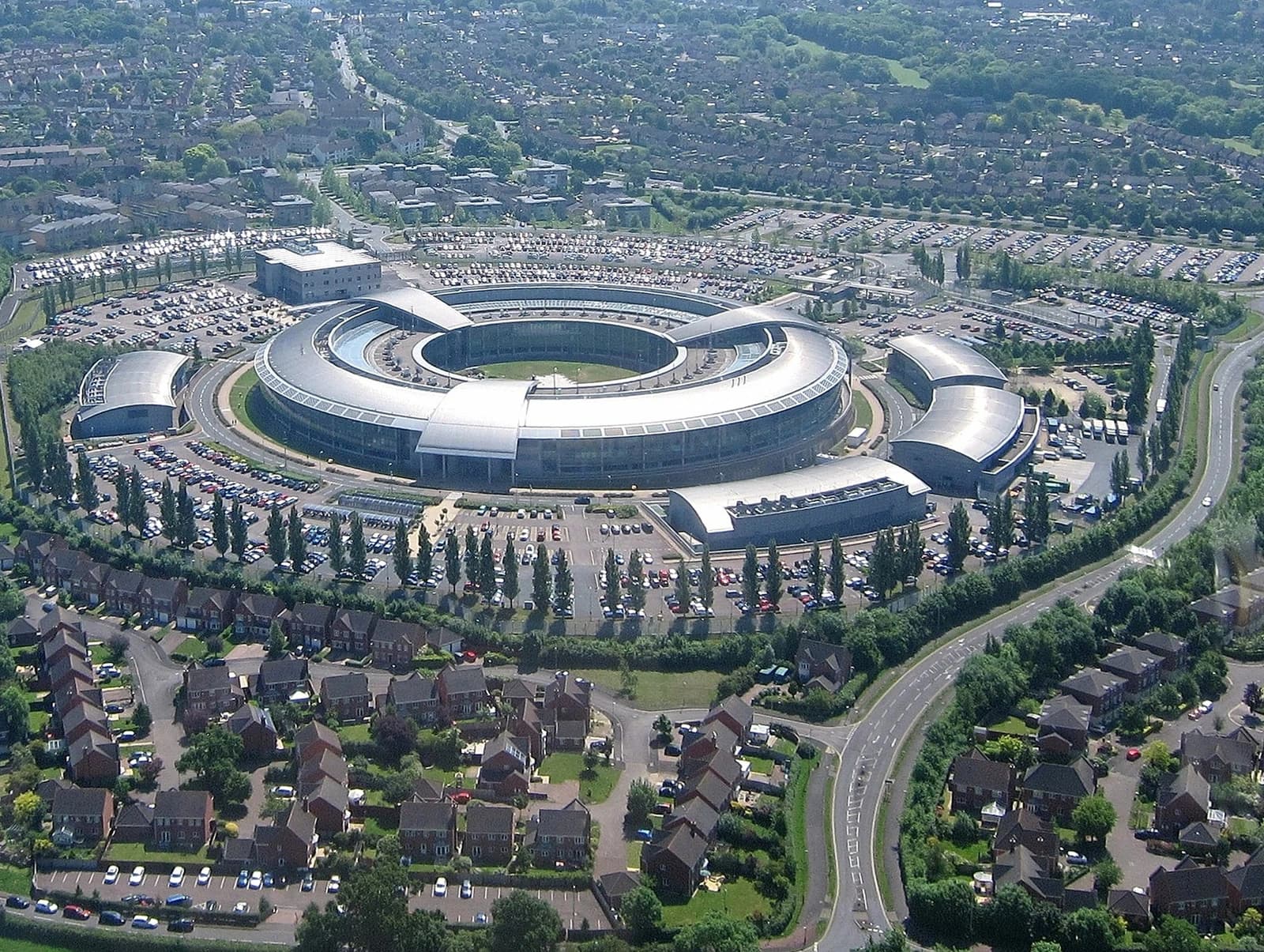
Slough’s residents are starting to push back against the data centre boom that has made the Berkshire town one of the most important AI infrastructure hubs in Europe, exposing the political and physical limits of Britain’s plan to turn compute capacity into growth.
Slough data centre backlash tests UK AI buildout
The backlash matters because the UK government has tied a key part of its economic strategy to faster data centre buildout, designating the assets critical national infrastructure and seeking to triple capacity by 2030. If local resistance slows approvals in Slough, London and beyond, it would not just delay individual projects — it could constrain the power, water and planning resources needed for AI-heavy cloud expansion across Britain.
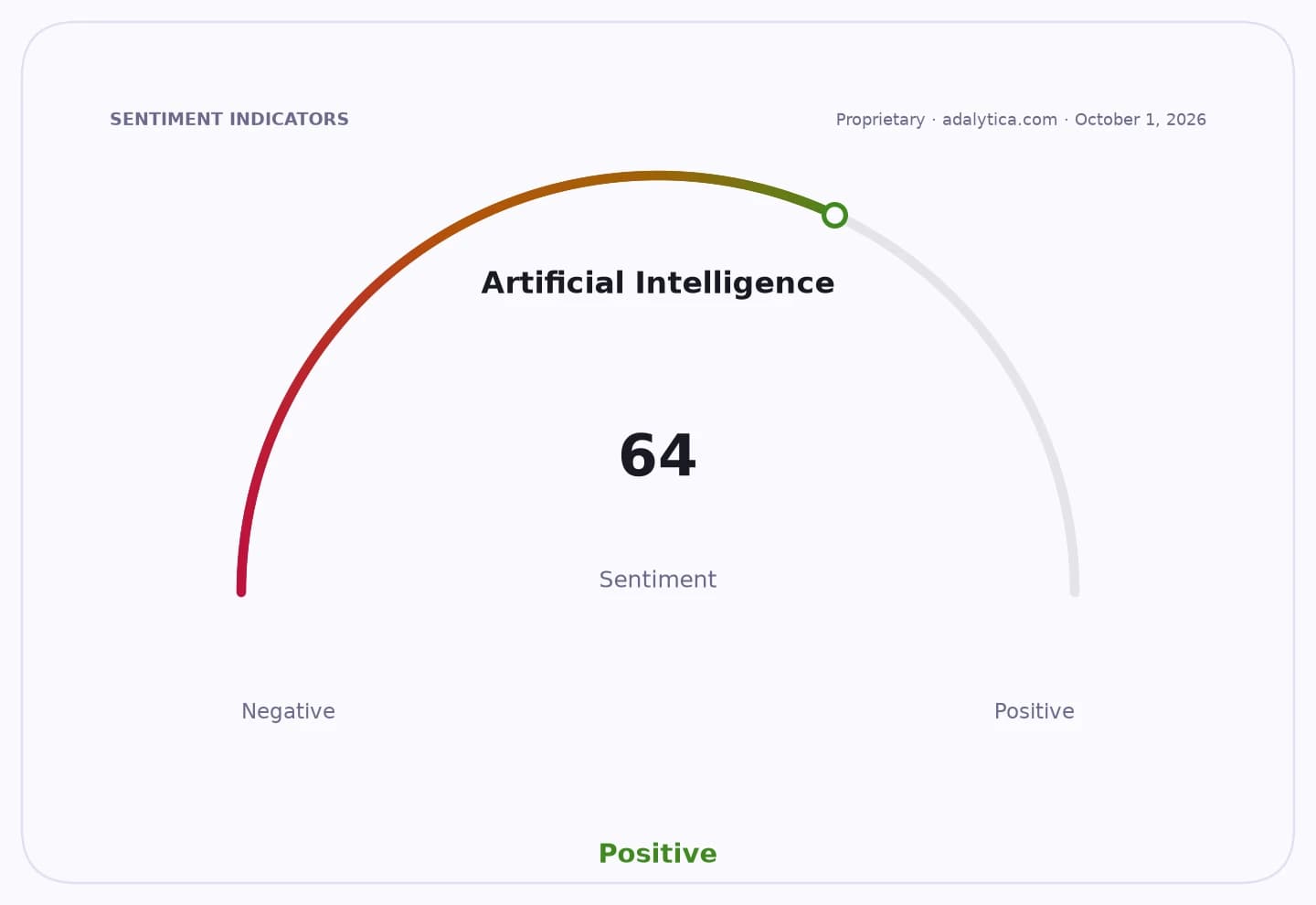
Sentiment IndicatorsⓘProprietary · adalytica.com · October 1, 2026
This is a snapshot — live sentiment, awareness and momentum for 130+ markets update continuously in the dashboard.Open AlphaPulse
That is especially sensitive in Slough, where around one in 10 of Britain’s roughly 500 data centres are clustered on the trading estate, alongside facilities serving Amazon, Google, Microsoft and Equinix. The site’s strategic appeal is obvious: proximity to Heathrow, the M4 and transatlantic fibre routes has made it the country’s second-largest data centre cluster after Ashburn, Virginia. The economic payoff is also clear. The facilities have brought about 14,000 jobs and, by one industry estimate, data centre business rates on the trading estate alone account for almost 10% of the council’s services budget.
But the same concentration that produces tax revenue and employment also concentrates the costs. Residents say the facilities add noise, strain electricity and water networks, and may worsen local heat stress. Their complaint is not abstract: two new schemes outside the trading estate have become flashpoints after Equinix won outline permission for a site once earmarked for 1,000 homes and Microsoft proposed a centre near Langley train station on land also intended for housing. The issue has now moved from isolated objections to organized politics, with the Slough Against Data Centres campaign seeking a Scottish-style pause and enough signatures to force a council debate.
For investors, the key question is whether Britain can keep absorbing the infrastructure load that artificial intelligence demands without triggering a wider planning backlash. The answer will determine the pace at which developers such as Equinix, Microsoft, Iron Mountain and broader cloud customers can add capacity in one of Europe’s most important digital corridors. It also has implications for listed owners of data centre estates, contractors like Laing O’Rourke and the utilities and power suppliers that must support the buildout.
The government is still signaling that growth takes priority. Ministers have cited economic productivity and investment when approving controversial projects, including schemes on green-belt land and in London’s Brick Lane. Yet the emerging pattern from Slough to Scotland suggests the policy consensus is becoming harder to sustain. If more councils follow Scotland’s lead and impose pauses or tougher reviews, Britain’s AI infrastructure boom may not stop — but it will almost certainly become slower, costlier and more contested.
| Entity | Gains | Losses |
|---|---|---|
| Slough council / local budget | ▲Business rates revenue | ▼Housing and planning flexibility |
| Data centre operators | ▲Faster site approvals | ▼Rising local opposition |
| Residents / housing campaigners | ▲Chance to slow development | ▼Noise, strain and land loss |
| UK government / AI developers | ▲Infrastructure growth | ▼Political backlash over planning |