Smart TV owners are increasingly turning to AI coding assistants to strip out ads, remove bloatware and rebuild home screens, underscoring a consumer revolt against the monetization of connected televisions.
Smart TV Owners Use AI to Remove Ads and Bloatware
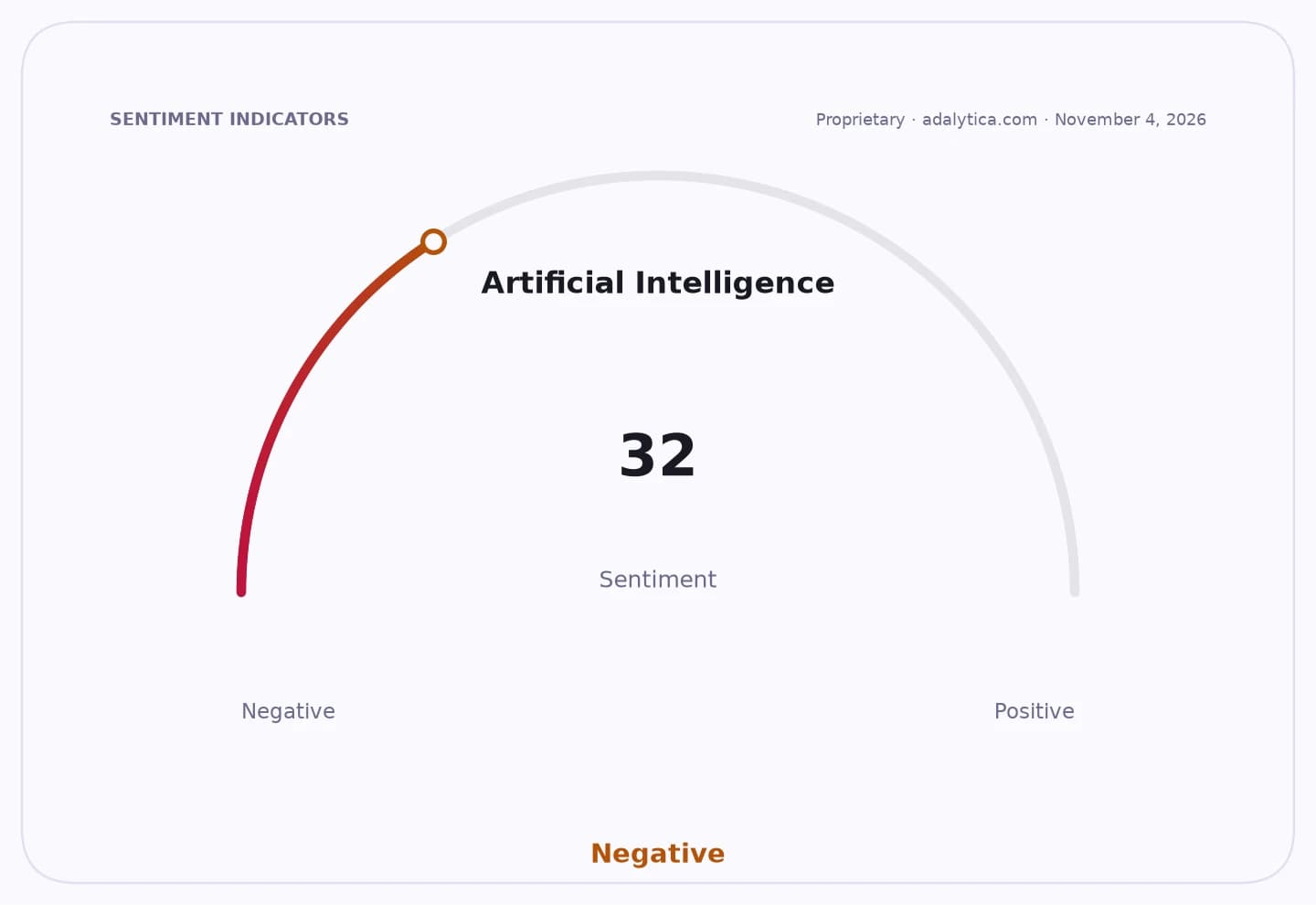
Artificial Intelligence
The trend matters because TV makers and platform operators have turned the home screen into a high-margin advertising surface, while many viewers see it as clutter that slows access to streaming apps. TiVo said more than one-third of respondents in its Q4 2025 Video Trends Report complained about excessive advertising on the TV home page, even as Roku says making more money from its home screen is a key growth initiative.
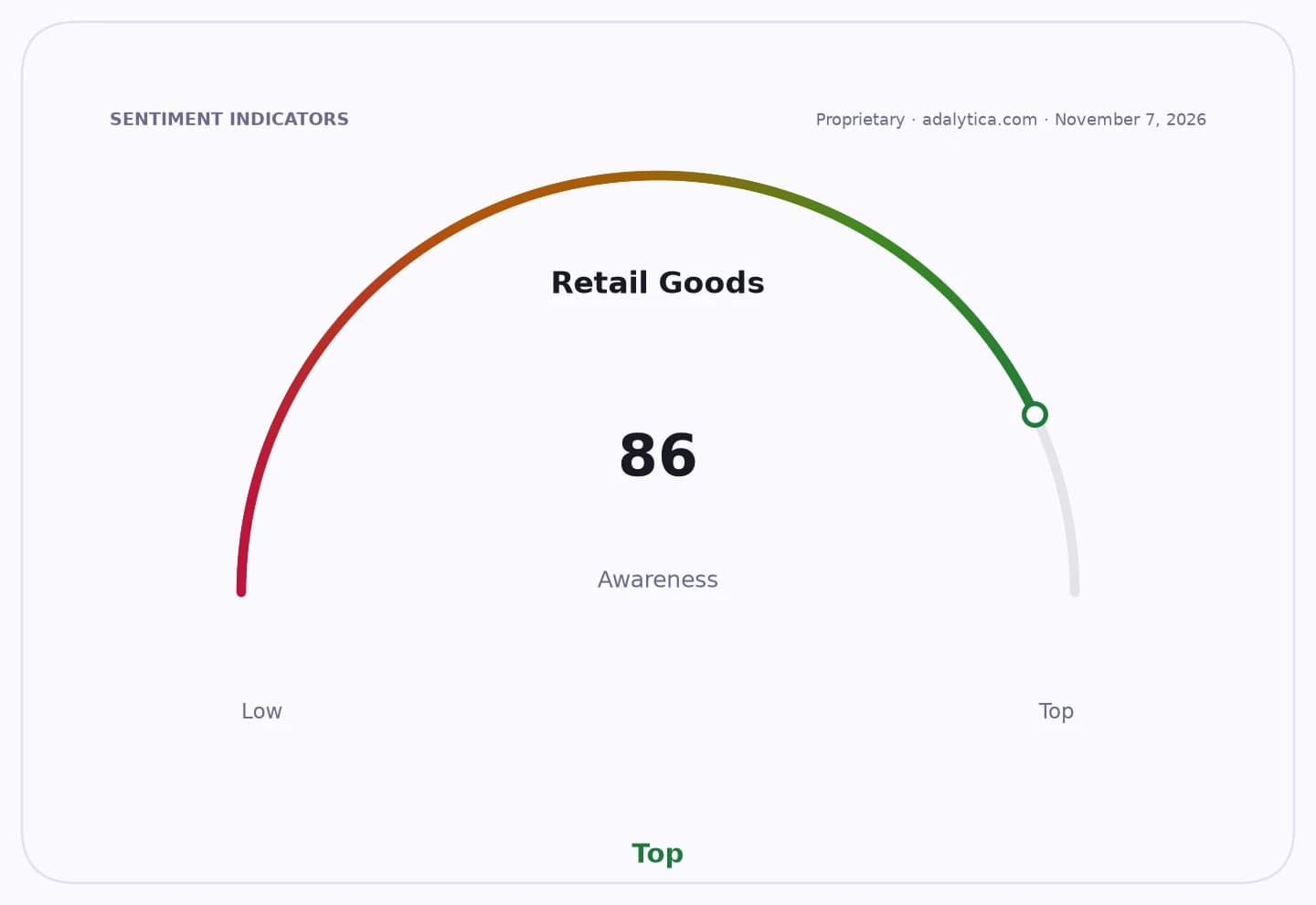
Sentiment Indicators
That tension is pushing some users to try tools such as Anthropic’s Claude Code to connect to sets over Wi-Fi, disable unwanted software and install simplified interfaces. On social media, developers say the assistant can remove dozens of packages, replace busy menus and make sets feel more responsive, with one Xiaomi TV user saying Claude Code removed 25 software packages and rebuilt the home screen in a way that “looks like an Apple TV now.”
The movement is still niche, but it points to a broader fight over who controls the television experience and who captures the economics of connected TV. For Google, Roku, Amazon and other platform owners, the opening screen is valuable inventory; for owners, it is increasingly a battleground over privacy, speed and convenience.
The practical effect for investors is that the pushback could eventually pressure ad load, engagement and monetization assumptions across smart TV ecosystems if it spreads beyond hobbyists. It also highlights a growing willingness among consumers to use generative AI not just for content creation, but to modify consumer electronics that companies have little incentive to simplify themselves.
For now, the trend is more consumer hack than mass-market shift, and it remains limited by device restrictions, the risk of software mistakes and the fact that some prompts can also disable features users may want to keep. But as AI tools get easier to use, smart TV makers face a growing question: whether to keep squeezing the home screen for revenue, or give users a cleaner option before they build one themselves.
| Entity | Gains | Losses |
|---|---|---|
| TV owners | ▲Cleaner interfaces | ▼Ads and bloatware |
| Roku and other platform operators | ▲Home-screen ad revenue | ▼User control over defaults |
| Google TV and Android TV tinkerers | ▲Faster, customized setups | ▼Risk of misconfiguration |
| Streaming apps like Netflix | ▲Easier access | ▼Competition from promoted apps |