The biggest economic shift here is not the size of the cut, but who is absorbing it: more than 5.6 million Americans have dropped off SNAP in a year, and that is leaving households with less help just as food prices remain elevated and the job market, while still solid, is no cure-all for low-income families.
SNAP Enrollment Falls as Work Rules Tighten
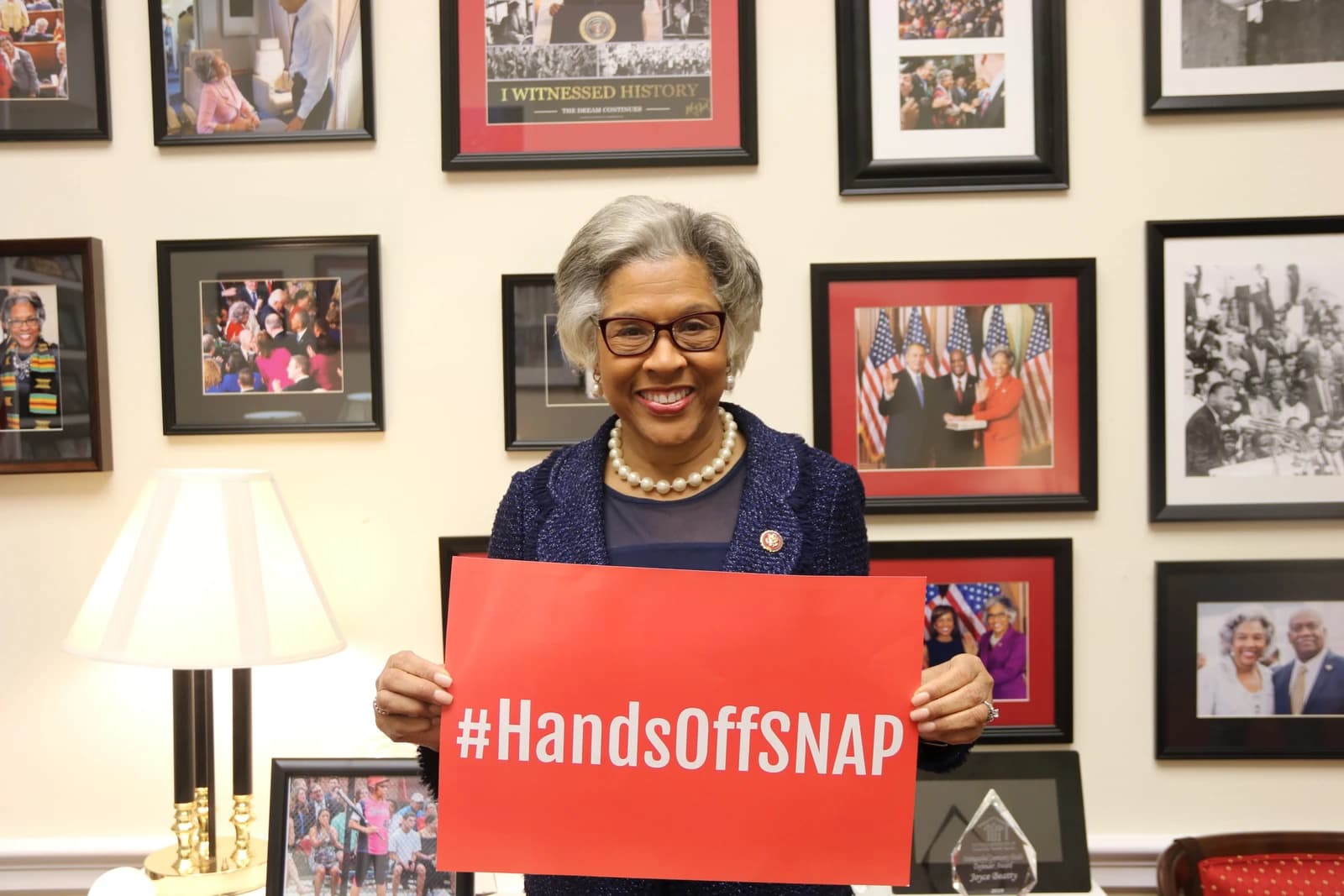
That matters because SNAP is not a discretionary benefit. It is one of the main automatic stabilizers in the U.S. safety net, and when enrollment falls, federal spending falls with it. USDA data cited by Newsweek show outlays sliding from $7.79 billion in August 2025 to $6.70 billion in August 2026, a 13.9% drop. Over the same period, participation fell to 35.8 million from 41.4 million.
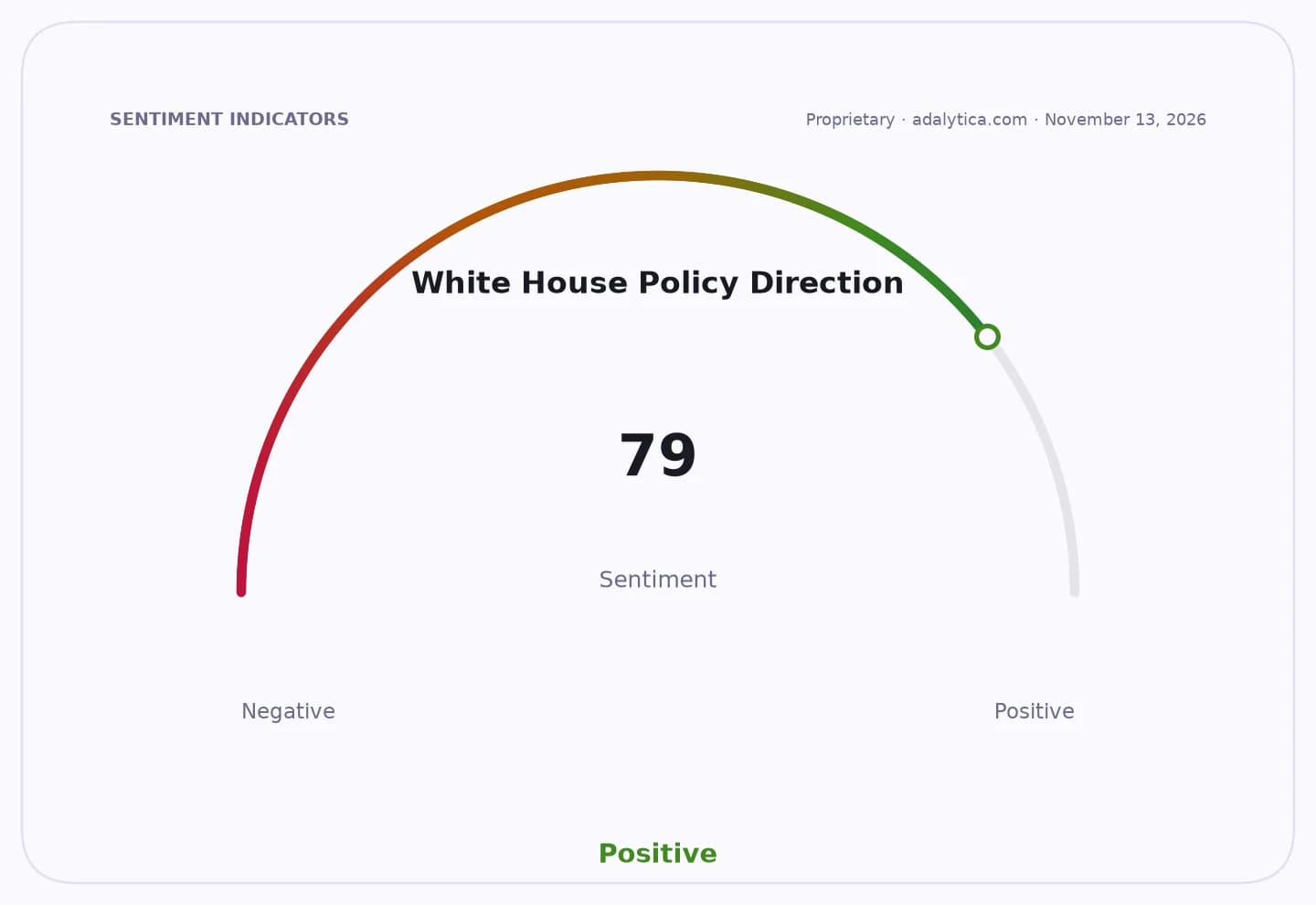
Sentiment Indicators
The policy change behind the decline is straightforward: the Trump administration’s tax-and-spending law, the “One Big Beautiful Bill Act,” expanded work requirements for able-bodied adults. Under the new rules, recipients subject to the work test must complete at least 80 hours a month of work, training or other qualifying activity to keep benefits. The age cutoff for those requirements also rose from 54 to 64, while several exemptions were narrowed or eliminated, including some for veterans, homeless people and young adults leaving foster care.
For investors, the key question is not whether Washington trims spending — it already has — but how the burden shifts through the economy. Less SNAP support means less purchasing power for millions of households, which can pressure grocery volumes at the margin and deepen stress for lower-income consumers already juggling rent, utilities and food costs. That is a negative for retailers and food suppliers most exposed to budget-conscious shoppers, even if the effect is spread out over time rather than showing up as a sudden crash.
There is also a bigger macro takeaway. Unemployment remains low at around 4.1%, so the administration can argue that fewer people need aid. But lower SNAP rolls do not automatically mean better living standards. They can also reflect tougher eligibility rules, administrative churn and recipients failing to clear new paperwork hurdles. In other words, a smaller program may say as much about policy design as it does about labor-market strength.
The impact is uneven across states, which makes this more than a federal budget story. Arizona saw the sharpest decline, with SNAP participation down about 50% and spending cut nearly in half. Oklahoma, Nebraska, Florida, Massachusetts, Nevada, Illinois and Kansas also saw spending fall by 20% to 30%. Wisconsin was one of the few states where spending rose. That patchwork reflects how quickly states implemented the rules, with Arkansas, Indiana and Wisconsin moving faster than California and Washington, D.C.
For long-term investors, the story belongs on the radar of anyone watching consumer staples, grocery chains and food distributors. Staples stocks can look defensive in turbulent markets, and the XLP consumer staples ETF has held up better than broad consumer discretionary shares in recent trading, but a weaker low-income consumer can still change the mix of where and how Americans spend. Higher-income shoppers keep buying; the bottom of the market gets squeezed.
In the end, this is a classic policy-versus-pain tradeoff. Washington saves money by tightening eligibility, but families on the edge lose buying power and food security. Investors should watch the second-order effects: slower spending growth in the value retail and food channels, more pressure on local social services, and a consumer backdrop that stays fragile even when headline unemployment looks benign. For patient investors, that argues for diversification, not complacency, and for keeping defensive consumer names on the watchlist rather than assuming every cut in aid is a clean win for the economy.
| Entity | Gains | Losses |
|---|---|---|
| U.S. Treasury / federal budget | ▲Lower SNAP outlays | ▼Less spending on safety net |
| Trump administration | ▲Policy win on work rules | ▼Political scrutiny over hardship |
| Low-income households | ▲— | ▼Smaller food budgets |
| Grocery/value retailers & food distributors | ▲Some healthier shoppers | ▼Softer lower-income demand |