SoftBank Group is preparing a record 900 billion yen ($6.3 billion) retail bond offering in Japan, underscoring how aggressively the company is financing its AI ambitions even as investor appetite for the debt market remains strong.
SoftBank prepares 900 billion yen retail bond sale
The sale matters because SoftBank is not borrowing to shore up a weak balance sheet; it is raising capital to keep pace with an AI investment cycle that has become central to its strategy and valuation. The group’s financing needs have expanded alongside stakes and spending tied to the artificial-intelligence ecosystem, leaving it increasingly reliant on debt markets to bridge the gap between asset values, cash flow and capital deployment.
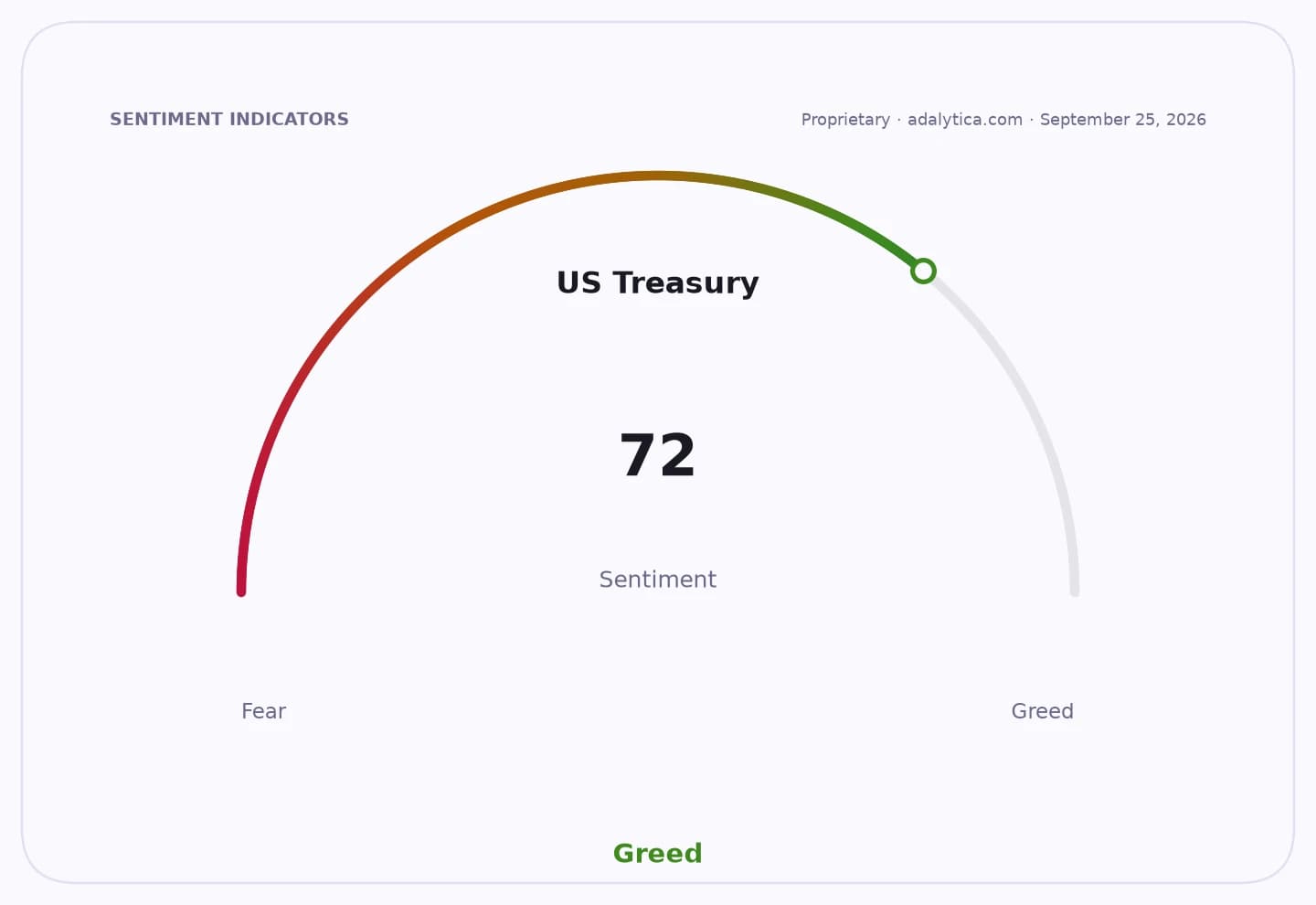
Sentiment IndicatorsⓘProprietary · adalytica.com · August 25, 2026
This is a snapshot — live sentiment, awareness and momentum for 130+ markets update continuously in the dashboard.Open AlphaPulse
For investors, the key issue is leverage. SoftBank’s shares have already been volatile as the market swings between enthusiasm for its AI exposure and concern over the funding burden required to maintain it. A large retail bond sale offers evidence that domestic demand can absorb substantial issuance, but it also reinforces the view that SoftBank’s AI bet is capital intensive and sensitive to financing conditions. The stock’s recent price action, including a sharp pullback from its highs and technical weakness below its 50-day moving average, suggests traders remain cautious about how much of the AI story is already priced in.
The timing also speaks to broader market conditions. In Japan, low interest rates and a deep retail investor base continue to make yen funding attractive for large issuers, particularly when the alternative is tapping foreign currency markets at a time of dollar volatility. At the same time, global equity sentiment around AI names remains uneven. Nvidia, the main hardware beneficiary of the data-center buildout, has also cooled from recent highs, while broader U.S. market sentiment has slipped into fear according to Adalytica’s S&P 500 trade signals. That makes financing discipline more important for companies trying to remain at the center of the AI trade.
The bond sale is likely to be read in two ways. Bullish investors will see proof that SoftBank can still access capital on favorable terms and that the AI investment cycle remains well funded. Bears will see another reminder that the group’s returns depend on sustained market confidence and that a slowdown in AI capital spending, or a rise in funding costs, would quickly pressure the investment case.
For now, the issuance extends a pattern in which the winners from AI are not only chipmakers and cloud operators, but also capital markets themselves. SoftBank’s ability to place the bonds will be an important test of whether that financing model still commands enough demand to support the next leg of its AI strategy.
| Entity | Gains | Losses |
|---|---|---|
| SoftBank | ▲Funds AI investments | ▼Higher leverage |
| Retail bond buyers | ▲Access to yen yield | ▼Credit risk exposure |
| AI ecosystem partners | ▲More capital support | ▼Funding dependence |
| Equity investors | ▲AI expansion optionality | ▼Dilution of returns |