Solana’s rise back toward $120 is reviving demand for exchange-traded products in Germany, but the bigger investment question is not the token itself — it is which issuer investors are effectively lending their money to.
Solana ETPs in Germany: Valour track record vs fees
In Germany, Solana cannot be packaged into a plain UCITS ETF because a single-asset crypto fund fails European diversification rules. That leaves ETNs and other ETPs, which are debt securities that track SOL rather than hold it in a traditional fund wrapper. For investors, that means the product is only as strong as the issuer behind it, making credit quality, structure and market history more important than headline fees alone.
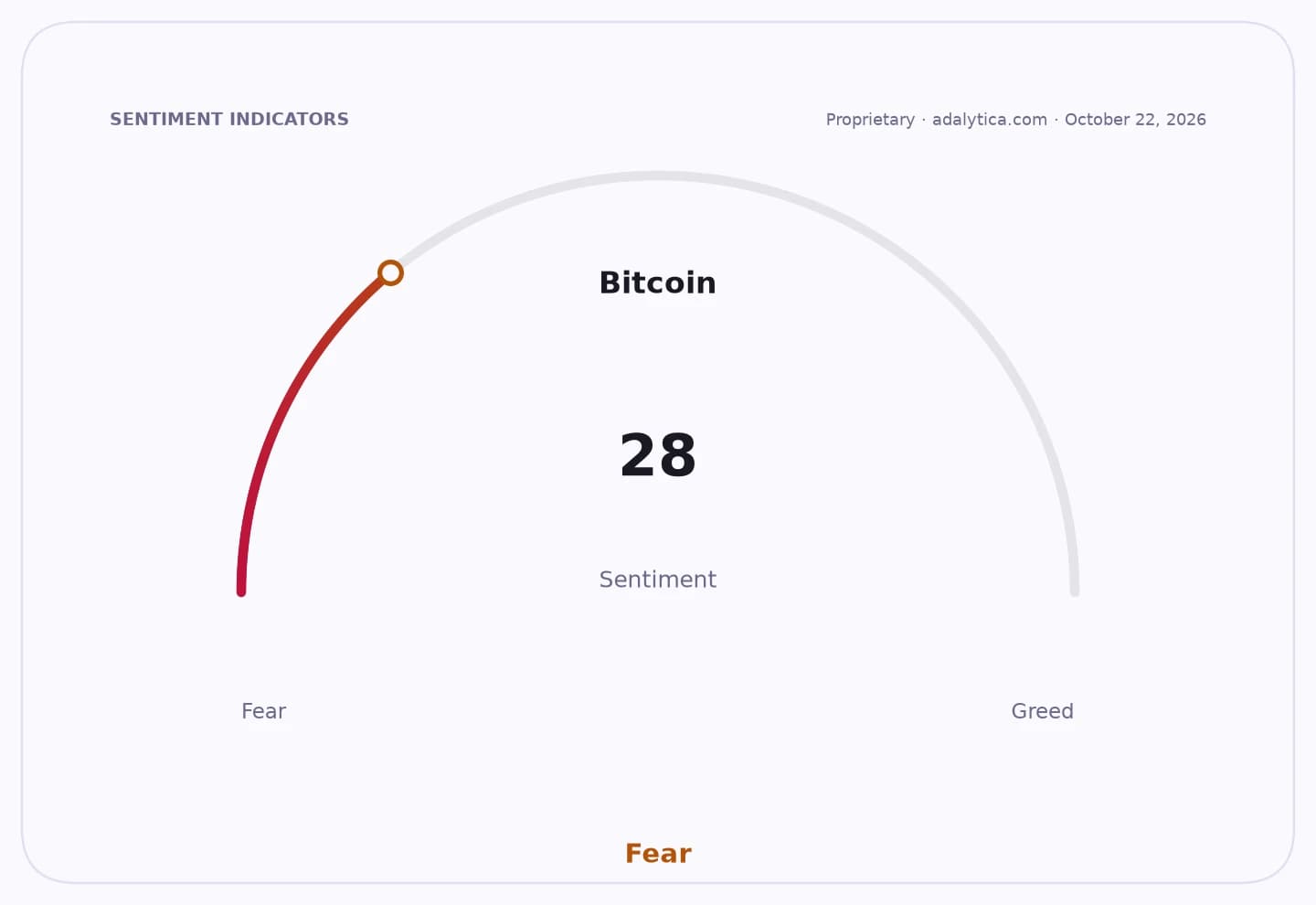
Sentiment IndicatorsⓘProprietary · adalytica.com · September 26, 2026
This is a snapshot — live sentiment, awareness and momentum for 130+ markets update continuously in the dashboard.Open AlphaPulse
That distinction matters because the market is now crowded. On Xetra and Börse Frankfurt, eight Solana ETPs are available, with fees ranging from zero at CoinShares’ SLNC to 2.50% for older 21Shares ASOL. 21Shares’ CSOL charges 0.35% and is staked, while Valour’s Solana product charges 1.90% and is available through major brokers including Comdirect and ING. The pitch from issuers is lower cost, staking yield or physical backing. The investor reality is more nuanced: staking returns depend on network economics, physical collateral reduces but does not eliminate issuer risk, and a cheap fee does not help if the wrapper or counterparty proves fragile in a stress event.
Valour is using longevity as its main selling point. Its Swedish Solana line has traded since September 2021, through a full bull and bear cycle, and is the longest-running Solana ETP in Europe. That history matters in a market where crypto products have not yet been tested equally across regimes. For German investors, the euro-denominated Valour Solana line has been listed since 2022 in Paris and Frankfurt, giving it a longer operating record than many competitors and broader availability than some rivals.
The rally in SOL helps explain why the issuer debate is intensifying now. Solana traded around $120 on Friday, after recovering from an earlier drop to $78.19 in February, and is up sharply from that low. Standard technical indicators also show momentum remains firm: the 50-day moving average is near $97.69, above the 200-day average at $84.78, while RSI readings around 69 point to a market that is strong but getting closer to overbought territory. That kind of setup tends to bring more retail and institutional flows into listed wrappers, but it also magnifies the importance of product structure if sentiment turns.
The broader crypto backdrop is supportive. Bitcoin’s Adalytica Fear & Greed Index is at 91, in “Extreme Greed,” while ether sentiment has also improved. That environment is usually favorable for listed crypto products because investors prefer exchange-traded access over wallets and self-custody when markets accelerate. The trade-off is that the same enthusiasm can obscure risk: ETNs do not remove SOL volatility, and in Germany they also raise open tax questions around whether the one-year holding period for directly held coins applies to the note or whether capital gains tax rules do.
For investors, the case for Solana ETPs is less about chasing the cheapest wrapper and more about choosing the issuer that can survive a full cycle. Valour’s early start gives it a lead on track record, while CoinShares and 21Shares compete on cost. The next test will be whether Solana’s latest rally above $120 can hold if inflows cool, because in a debt-backed crypto product, the issuer, the structure and the underlying token all matter when markets reverse.
| Entity | Gains | Losses |
|---|---|---|
| Valour | ▲Longer track record | ▼Price-competitive rivals |
| CoinShares | ▲Zero-fee appeal | ▼Higher-cost incumbents |
| 21Shares | ▲Staked Solana exposure | ▼Track-record leaders |
| German investors | ▲Easier exchange access | ▼Direct holders of SOL wallets |