South Africa’s Treasury has set aside R1.6 billion over three years to fight child stunting, making the first national budget commitment aimed squarely at nutrition support during pregnancy and a child’s first 1,000 days of life.
South Africa Treasury allocates R1.6 billion for stunting
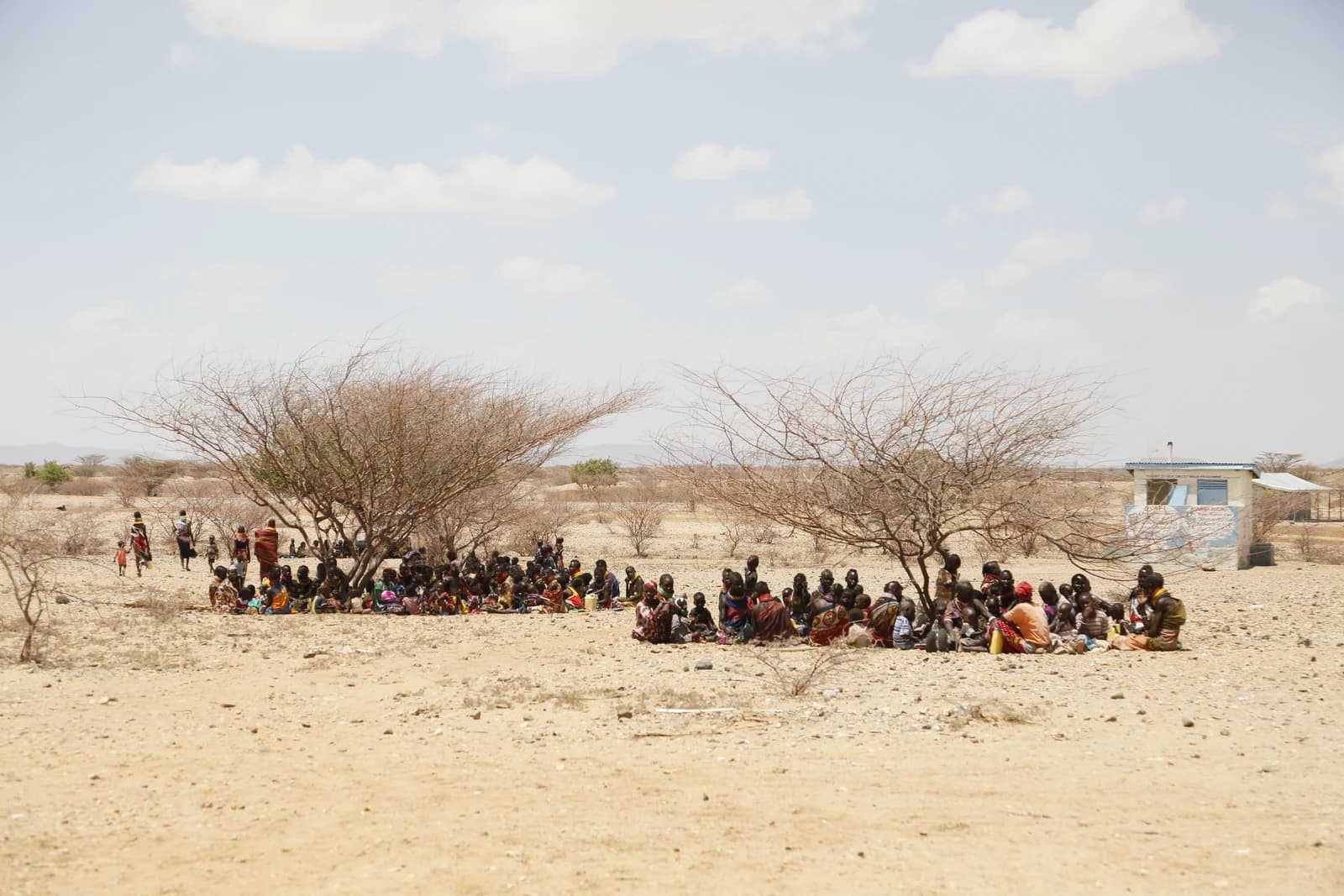
The allocation matters because it shifts policy from broad child welfare rhetoric to a more targeted intervention that public-health researchers say offers the biggest return in reducing lifelong damage from poor nutrition. Stunting affects more than a quarter of South African children under five, according to President Cyril Ramaphosa, and is linked not only to poorer growth but also weaker learning outcomes, lower future earnings and higher health costs over time.
Sentiment Indicators

Finance Minister Enoch Godongwana announced the funding in his Medium-Term Budget Policy Statement, with Treasury saying the money will flow to provincial health departments through the District Health Programmes Grant. It will support micronutrient supplementation and related nutrition services for pregnant and breastfeeding women, as well as young children at primary healthcare facilities.
For investors, the significance is less about any direct market impact than about what the policy says regarding fiscal priorities and execution risk. The government is reprioritising spending inside a constrained budget, drawing savings from social grant expenditure to fund child malnutrition and gender-based violence programmes. That suggests continued pressure on the public purse, but also a willingness to protect a limited set of high-impact social interventions even as growth and tax revenues remain under strain.
The funding is also likely to draw scrutiny over implementation. Treasury and the Department of Health have yet to spell out how the allocation will be split, whether it will expand existing services or finance new ones, and what metrics will be used to measure progress. Without that detail, the risk is that the money is spread too thinly across provinces or duplicated by other programmes.
That uncertainty matters because this is not the only nutrition initiative in play. The Department of Basic Education is already running an early childhood development nutrition pilot in the Eastern Cape, while the Presidency has launched a broader campaign to end stunting by 2030. Coordination between health and education will be critical if the state wants to avoid fragmented delivery and patchy outcomes.
The DG Murray Trust, one of the main advocates for maternal nutrition support, called the allocation a first step but said the amount needed is far larger. It plans to mobilise private donors to match the government’s R1.6 billion within three months, underscoring both the scale of the need and the opportunity for public-private partnerships in maternal and child health.
If the programme is properly targeted, the bull case is that it could reduce low birth weight, improve early development and lower long-term social costs. The bear case is that weak coordination, unclear accountability and insufficient funding leave the effort as another well-intentioned but underpowered intervention. For markets and policymakers alike, the next test is whether Treasury and Health can turn a headline allocation into measurable gains in child nutrition.
| Entity | Gains | Losses |
|---|---|---|
| Pregnant women and infants | ▲Better nutrition support | ▼Persistent implementation gaps |
| Provincial health departments | ▲More grant funding | ▼Added delivery pressure |
| DG Murray Trust / NGOs | ▲Policy validation | ▼Need to fill funding gap |
| Treasury / government | ▲Social-policy credibility | ▼Fiscal room for other priorities |