AI and robots are moving from flashy demos to a practical answer to one of construction’s oldest problems: how to build faster, safer and with fewer labor bottlenecks. South Korea’s 2026 Smart Construction, Safety and AI Expo opens Thursday in Goyang, putting the country’s push to modernize building sites in the spotlight just as global contractors, equipment makers and investors look for the next productivity jump.
South Korea Expo Highlights AI Construction Automation
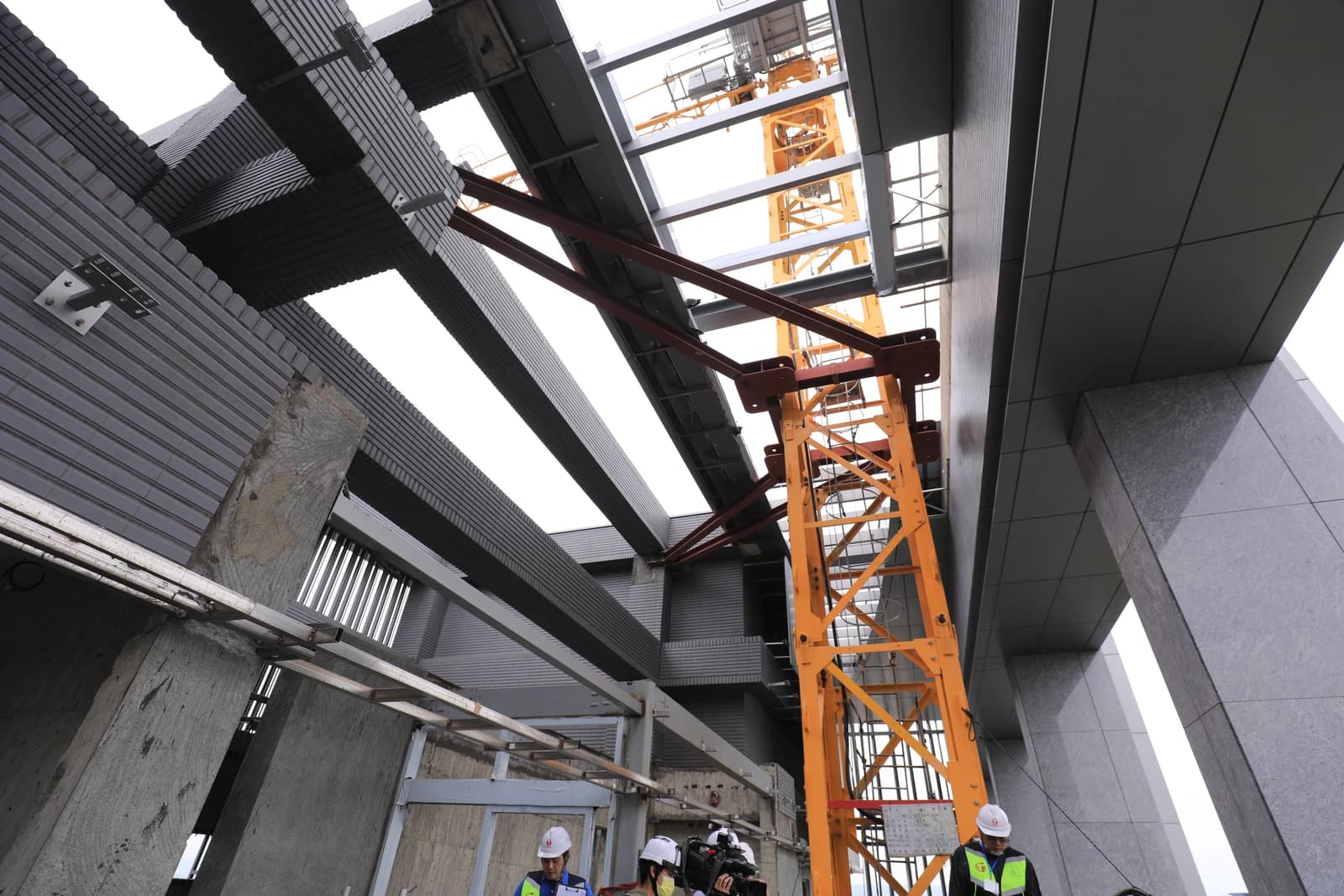
That matters because construction is still a labor-heavy industry with thin margins, accident risk and persistent cost overruns. When automation works on a job site, it can reduce downtime, improve safety compliance and help offset worker shortages that have been squeezing project schedules across developed markets. Over time, that can support more disciplined capital spending, better project execution and higher returns for the companies that supply the hardware and software behind the shift.
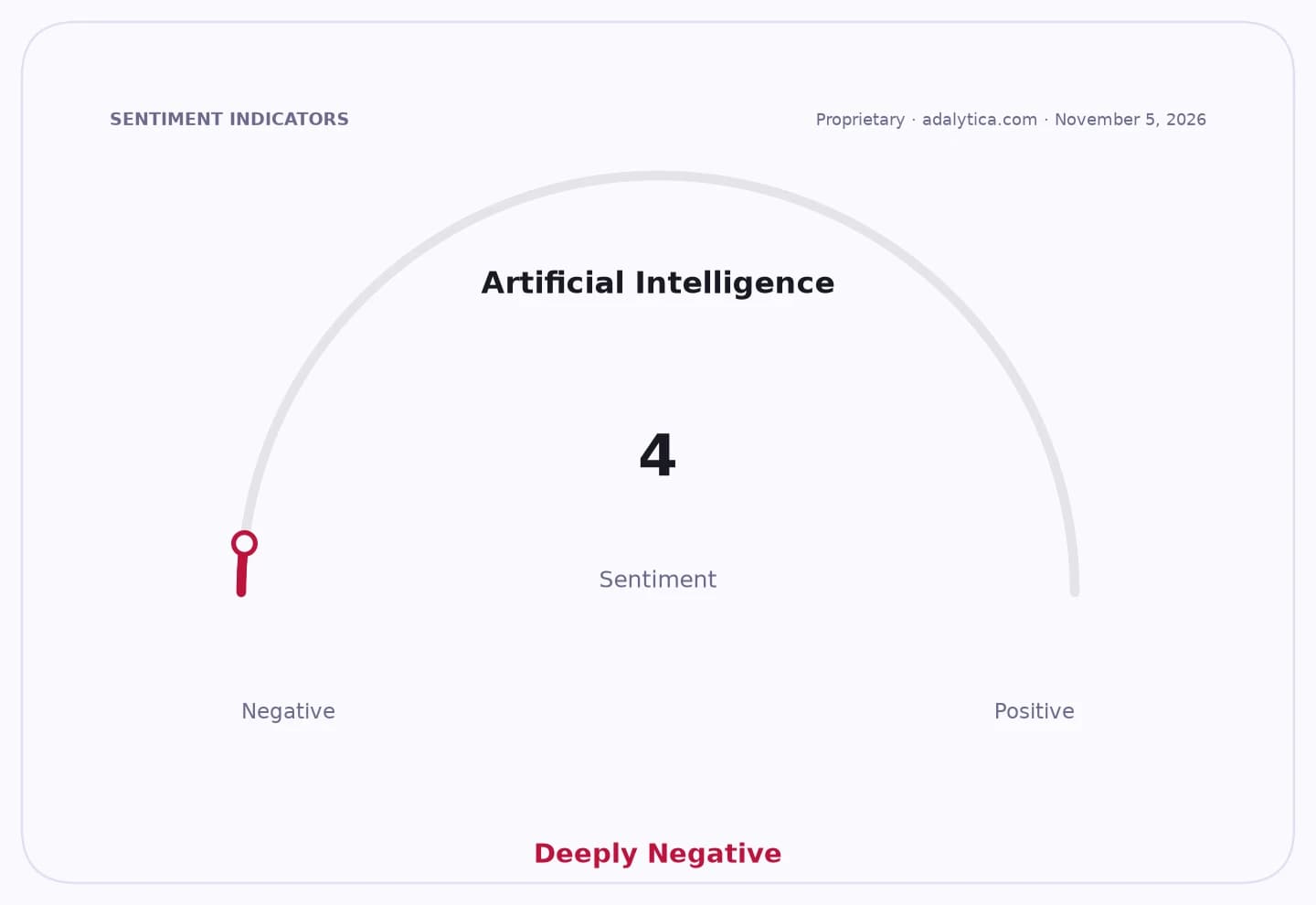
Sentiment Indicators
Artificial Intelligence
The timing also fits a broader industrial cycle. U.S. industrial production is still edging higher, while producer prices remain elevated, underscoring why contractors and manufacturers alike keep chasing efficiency gains. In that environment, AI-enabled planning tools, autonomous equipment and robotic inspection systems are not just interesting technology; they are a way to protect margins when input costs remain sticky.
For investors, the long-term opportunity is bigger than any single expo. Caterpillar, Deere and United Rentals sit close to the center of this transition, with Caterpillar and Deere selling the machines and software that can become smarter over time, and United Rentals positioned to benefit as contractors favor flexible access to advanced equipment rather than owning every asset outright. The recent volatility in those shares shows how quickly sentiment can swing, but the underlying thesis remains intact: if construction becomes more automated, the winners are likely to be the companies that own the tools, the data and the service relationships.
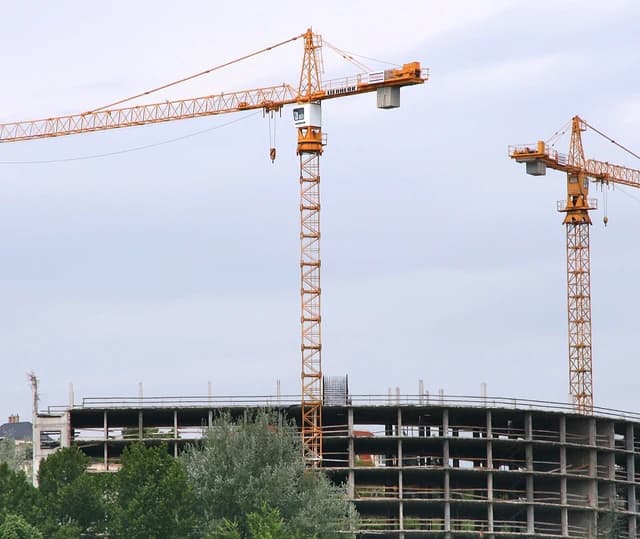
South Korea’s government backing also matters. Public-sector support can accelerate standards, testing and procurement, which is often what turns a promising technology into a real market. The same pattern is playing out globally, from robot dogs assisting on worksites to university and corporate labs pushing industrial AI deeper into physical operations.
The risks are familiar: high upfront costs, uneven adoption and the chance that flashy prototypes do not translate into broad productivity gains. But investors should think in years, not quarters. If AI and robotics keep spreading through construction, this could be one of the most durable industrial efficiency stories of the decade, and it is worth keeping on the watchlist.
| Entity | Gains | Losses |
|---|---|---|
| Construction firms | ▲Safer, faster job sites | ▼Labor intensity, delays |
| Caterpillar and Deere | ▲Higher demand for smart equipment | ▼Legacy, manual-only rivals |
| United Rentals | ▲More premium rental demand | ▼Owners of outdated fleets |
| Workers and regulators | ▲Fewer accidents, better oversight | ▼Firms slow to adapt |