The United States is pressing South Korea to include Alaska LNG in its promised $200 billion strategic investment package, raising the stakes for Seoul as it prepares to send an initial payment of about $2 billion to Washington later this month.
South Korea May Add Alaska LNG to U.S. Investment Plan
The push matters because Alaska LNG is not just another infrastructure proposal. It is one of President Donald Trump’s signature energy projects, but also one of the least commercially proven, with a 1,300-kilometer pipeline, a remote production base and economics that many officials still view as difficult to justify on a standalone basis. If Seoul is drawn in, the project would become both a geopolitical commitment and a test of how far allied capital can be used to underwrite U.S. industrial policy.
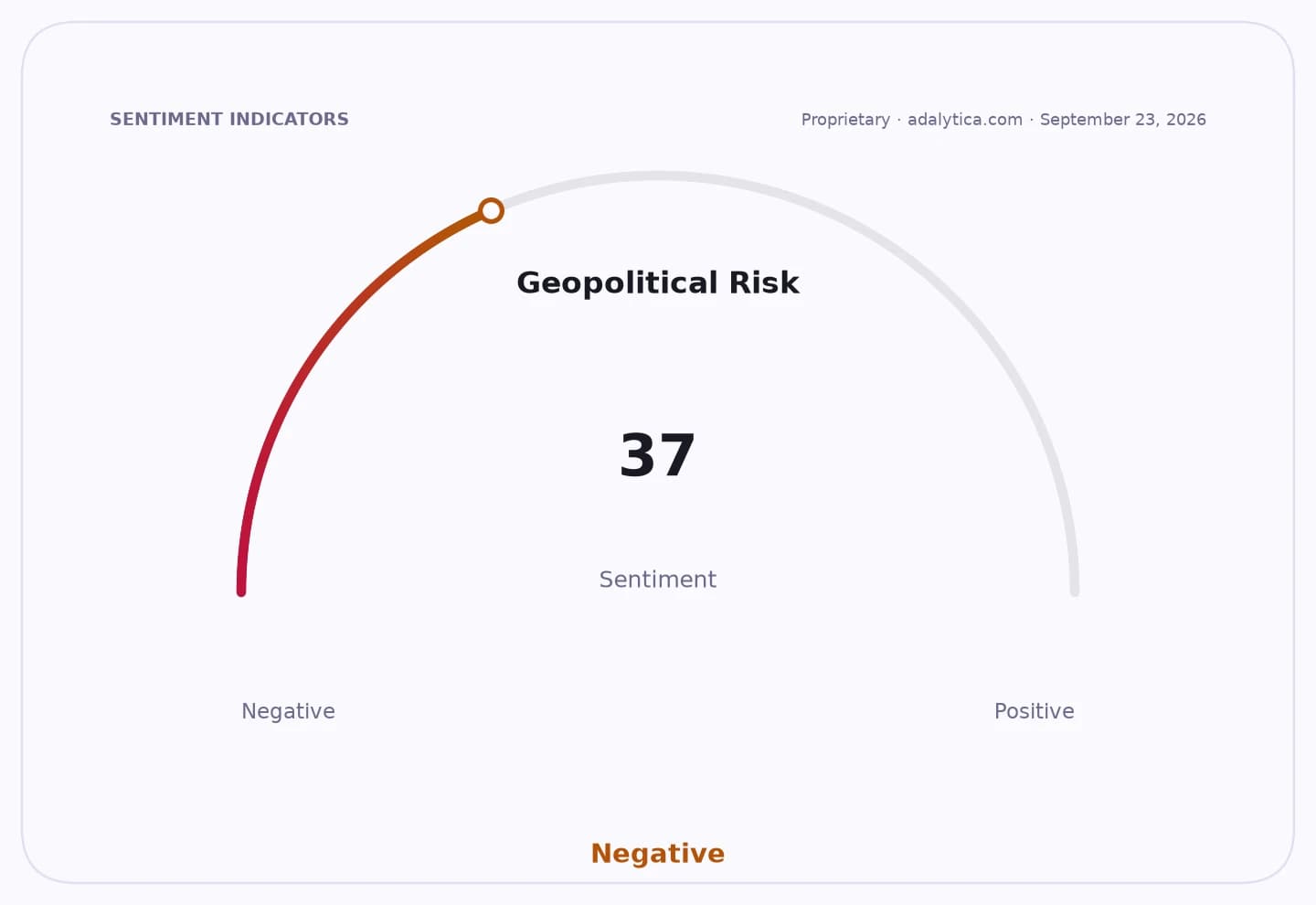
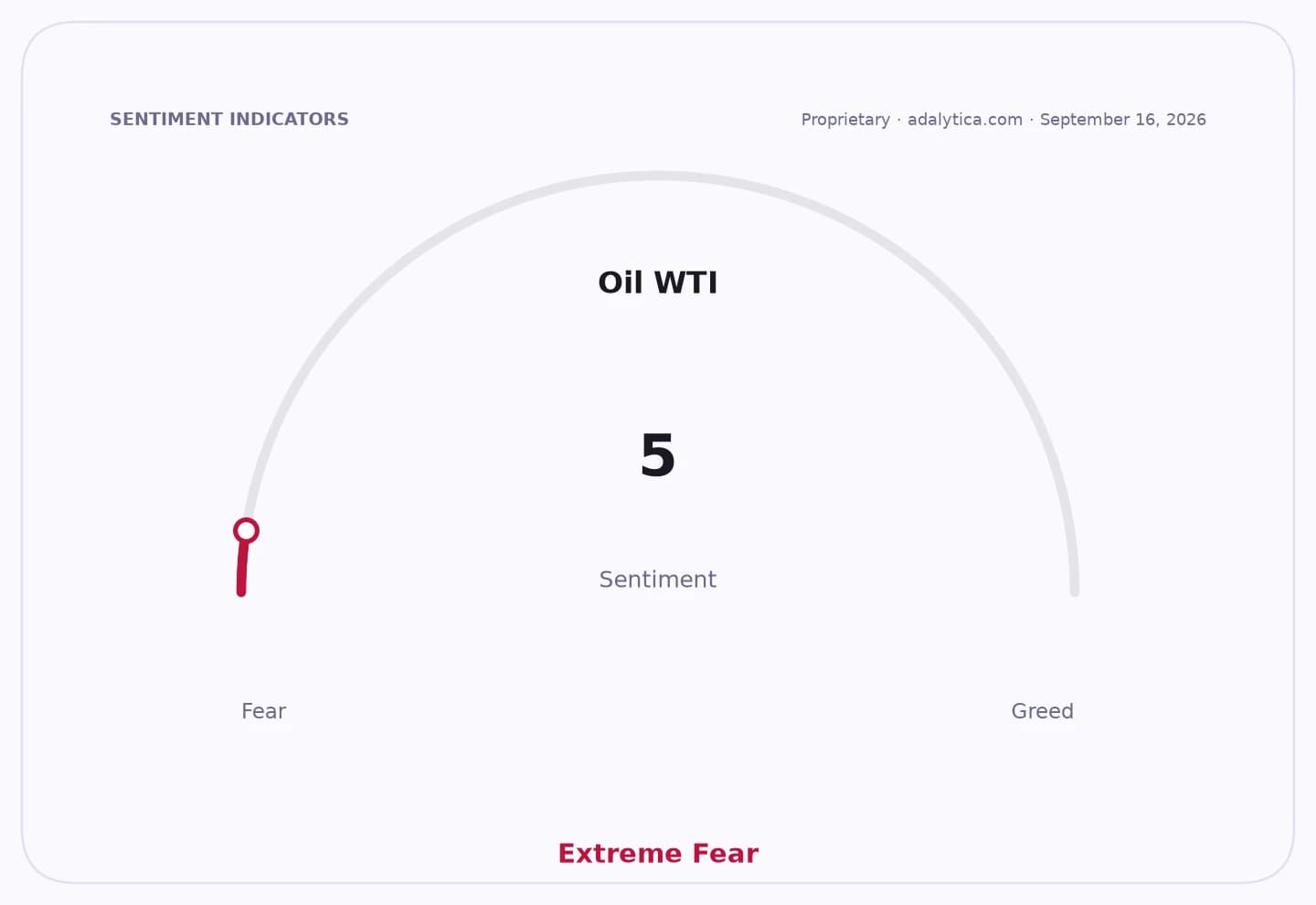
Sentiment IndicatorsⓘProprietary · adalytica.com · September 10, 2026
This is a snapshot — live sentiment, awareness and momentum for 130+ markets update continuously in the dashboard.Open AlphaPulse
South Korean officials have publicly said nothing has been finalized, but the negotiating dynamic appears to be shifting from abstract pledges to actual capital deployment. Seoul last year agreed to a $350 billion package for the U.S., including $150 billion for shipbuilding and $200 billion in strategic investment, in exchange for tariff relief. Two projects are already seen as likely first priorities: a gas-fired power plant in Texas and a large-scale nuclear buildout. Together, those projects could absorb a substantial portion of the investment envelope before Alaska LNG is even added.
That is why the Alaska discussion is so sensitive. The Texas project alone is estimated at about $22 billion, while the nuclear project could cost more than $120 billion for eight reactors. Adding Alaska LNG would quickly raise questions over whether the $200 billion strategic-investment cap can hold, even as Seoul says total U.S. investment under the memorandum of understanding cannot exceed that limit and annual remittances are capped at $20 billion.
For investors, the story is less about the immediate cash flow than the signal it sends across energy, utilities and heavy industry. If South Korean state-linked or policy-backed capital is committed to Alaska LNG, it would reinforce the political floor under U.S. LNG development at a time when global gas remains strategically important but capital-intensive. That could support sentiment around LNG-linked assets and contractors, even if project returns remain uncertain.
Shares of Cheniere Energy, the largest U.S. LNG exporter, have been trading near recent highs, with the stock around $276, above its 50-day moving average of roughly $267 and still well above its 200-day average near $240. ConocoPhillips, another name with exposure to large-scale LNG and upstream gas, has also been firm, closing at about $137 versus a 50-day average near $121. The broader energy backdrop is constructive too, with Brent crude around $92 a barrel and the U.S. 10-year yield near 4.8%, underscoring that energy assets are still being priced against a tight capital and geopolitically charged environment.
The bull case is that foreign participation could de-risk Alaska LNG by giving it political momentum, a potential funding source and credibility with suppliers. The bear case is that the project could force South Korea to commit capital to an asset with weak commercial returns, crowding out more predictable investments and increasing the chance of future political friction with Washington.
The key catalyst now is Seoul’s expected announcement on Sept. 18, which could be followed by the first remittance later this month. If Alaska LNG is included, the debate will move from whether the project is viable to who ultimately bears the cost of making it happen.
| Entity | Gains | Losses |
|---|---|---|
| Alaska LNG project | ▲Political backing | ▼Commercial discipline |
| South Korea | ▲Tariff relief leverage | ▼Investment flexibility |
| U.S. LNG exporters | ▲Demand for infrastructure | ▼Funding uncertainty elsewhere |
| Texas power and nuclear projects | ▲First-mover priority | ▼Budget space if Alaska advances |