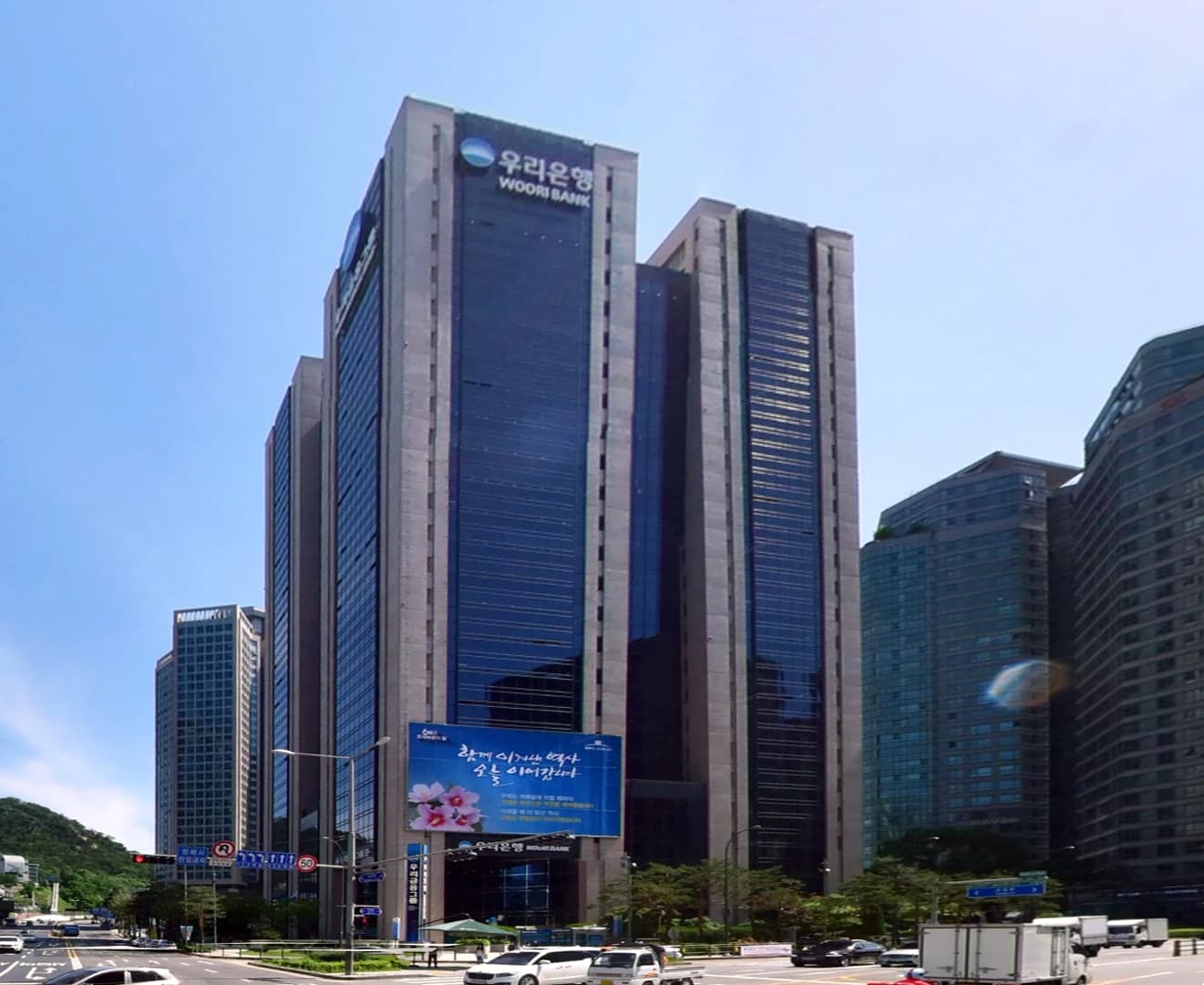
South Korea’s four major financial groups are expected to report combined third-quarter net profit of about KRW 5.6 trillion, but the headline number masks pressure from a narrower lending spread and a slide in securities income.
South Korea Banks Face Margin Pressure in Q3
That matters because the sector has been one of the clearest beneficiaries of high rates and resilient credit demand over the past two years. If net interest margins keep easing, earnings momentum becomes harder to sustain, especially as fee and trading income no longer offset weakness elsewhere. For investors, the issue is not just whether profits beat or miss forecasts this quarter, but whether the industry’s return profile is moving off its peak.
Sentiment IndicatorsⓘProprietary · adalytica.com · October 16, 2026
This is a snapshot — live sentiment, awareness and momentum for 130+ markets update continuously in the dashboard.Open AlphaPulse
KB Financial, Shinhan Financial, Hana Financial and Woori Financial are all due to release results later this month, and the market is already focused on the quality of earnings rather than the absolute level. The expected KRW 5.6 trillion in aggregate profit would still be a solid result by historical standards, but the direction of travel is less supportive. Lower net interest margins point to pressure on core banking income, while a 6.5% drop in securities-related earnings suggests the capital markets backdrop has turned less helpful.
The setup is especially relevant for KB and Shinhan, which have been among the stronger performers in the group. Their share prices had already run ahead of the sector in recent months before pulling back sharply in the latest sessions, a move that fits a market reassessing how much good news is already priced in. KB’s stock has fallen from a recent peak above 132 to around 118, while Shinhan has slipped to the low 70s after trading near 84. Both have also seen momentum indicators weaken, with the 50-day moving averages now above recent closes.
The macro backdrop is mixed. U.S. yields have stayed elevated, oil prices have pushed back above $100 a barrel and the dollar remains firm, all of which can complicate the policy and funding outlook for Korean lenders. At the same time, the domestic labour market remains relatively stable, with U.S. unemployment data still pointing to a soft landing rather than a recessionary shock. That reduces immediate credit risk, but it also makes it less likely that the rate environment will quickly normalize in a way that restores margin expansion.
The bear case for Korean bank stocks is that earnings are plateauing just as valuation had started to rerate on the assumption of durable profitability and capital returns. The bull case is that these groups still generate large, recurring cash flows, maintain strong capital buffers and can continue to support dividends and buybacks even if margins compress. In that sense, the third-quarter numbers are less about one quarter of profit and more about whether the sector can defend a structurally higher earnings base.
For investors, the key watchpoints will be the pace of NIM compression, the outlook for securities and trading income, and any sign that management teams are becoming more cautious on capital returns. If the margin squeeze persists into the fourth quarter, the market is likely to reward lenders with stronger fee diversification and punish those still heavily dependent on spread income.
| Entity | Gains | Losses |
|---|---|---|
| KB Financial | ▲Large profit base | ▼Margin compression |
| Shinhan Financial | ▲Stable earnings profile | ▼Securities income decline |
| Hana Financial | ▲Sector-wide profit support | ▼Lower trading income |
| Woori Financial | ▲Potential value appeal | ▼Higher earnings pressure |
| Bank investors | ▲Dividend visibility | ▼Slower profit growth |