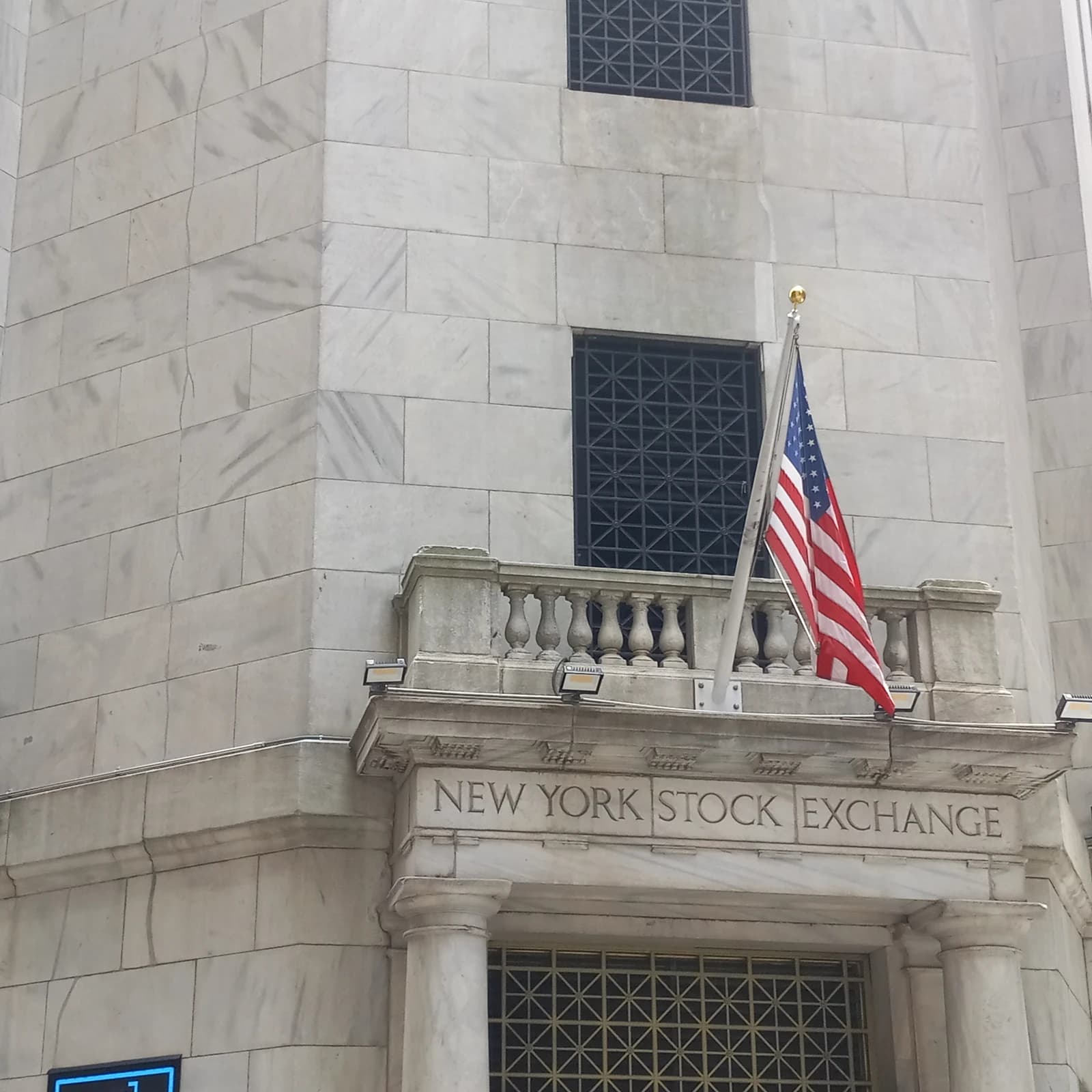
Wall Street’s biggest banks delivered a mixed third quarter as an unexpected drop in fixed-income trading undercut JPMorgan Chase and, to a lesser extent, Goldman Sachs, even as Citigroup beat estimates on the strength of investment banking, wealth management and other businesses.
Wall Street Banks Mixed on Q3 Trading Results
The results matter because trading and dealmaking remain a barometer for capital-markets activity, and the pullback in fixed income suggests the strong second-quarter run is easing faster than investors expected. Higher rates, volatile bond markets and geopolitical shocks have kept clients active, but they have also made quarterly revenue more erratic.
Sentiment IndicatorsⓘProprietary · adalytica.com · October 15, 2026
This is a snapshot — live sentiment, awareness and momentum for 130+ markets update continuously in the dashboard.Open AlphaPulse
JPMorgan said net income rose to $15.3 billion, but that fell short of analyst expectations for $16.3 billion after fixed-income revenue dropped 4%. Chief executive Jamie Dimon said the U.S. economy was still being powered by strong business investment and resilient consumer spending, while warning about fiscal deficits, persistent inflation and elevated asset prices.
Goldman, meanwhile, leaned on equity trading and fee income to offset the fixed-income weakness. Net income climbed almost 30% to $5.3 billion, or $17.01 a share, well above the $13.02 analysts expected, helped by a more than sevenfold jump in incentive fees to $587 million as it assisted clients in private funding rounds for SpaceX before the company’s IPO.
Citigroup also topped Wall Street’s profit forecast, with investment banking revenue rising 9% from a year earlier to $1.35 billion and wealth management adding support. But Citi said markets revenue only rose 2% from a year earlier and fell 27% from the second quarter as equity trading softened, underscoring how quickly the post-summer slowdown has set in after a record first half.
The broader message for investors is that Wall Street’s trading boom is normalizing, not disappearing. Banks still benefit from elevated interest rates and relatively contained credit losses, but the pace of capital-markets activity is moderating as clients digest a more volatile macro backdrop and fewer near-term catalysts for fresh listings and mergers.
That fits the tone from bankers heading into the earnings season: optimism in late June around IPOs and M&A has cooled, according to RBC analyst Gerard Cassidy, who said expectations for new listings and dealmaking had moderated. Citi’s chief financial officer Gonzalo Luchetti said the industry saw a modest slowdown in the third quarter after record volumes earlier in the year.
The backdrop remains supportive for bank balance sheets. U.S. Treasury yields near 5.2% and the fed funds rate around 3.7% keep net interest income firm, while credit stress has stayed limited. But volatile oil prices, inflation pressure and a selloff in global bonds are making it harder for trading desks to repeat the outsized gains seen earlier this year.
For investors, the split results point to winners and losers within the sector: Goldman’s equities franchise and fee income are carrying more weight, Citi is broadening earnings across businesses, and JPMorgan is still producing strong profits despite a miss tied to fixed income. The next read is whether Bank of America and Morgan Stanley can show the same mix of resilience, or whether the slowdown in trading broadens across Wall Street.
| Entity | Gains | Losses |
|---|---|---|
| Goldman Sachs | ▲Equities trading, incentive fees | ▼Fixed-income trading |
| Citigroup | ▲Investment banking, wealth management, ROTCE above goal | ▼Equity trading momentum |
| JPMorgan Chase | ▲Net interest income, resilient core earnings | ▼Fixed-income revenue miss |
| Wall Street banks | ▲Higher-rate environment, contained credit losses | ▼Slower capital-markets activity |