Surging yields are forcing South Korean companies to push bond sales into next year, a clear sign that higher borrowing costs are starting to bite just as issuers face a less forgiving market.
South Korean Companies Delay Bond Sales as Yields Rise
The immediate problem is not just that rates are elevated; it is that they are rising fast enough to shut the window for deals. In Korea and across global credit markets, the jump in government bond yields has lifted the cost of capital for companies, making new issuance less attractive and forcing treasurers to wait for better conditions. That matters for the real economy because delayed funding can slow investment, working-capital management and refinancing plans, especially for firms that had expected to raise money before year-end.
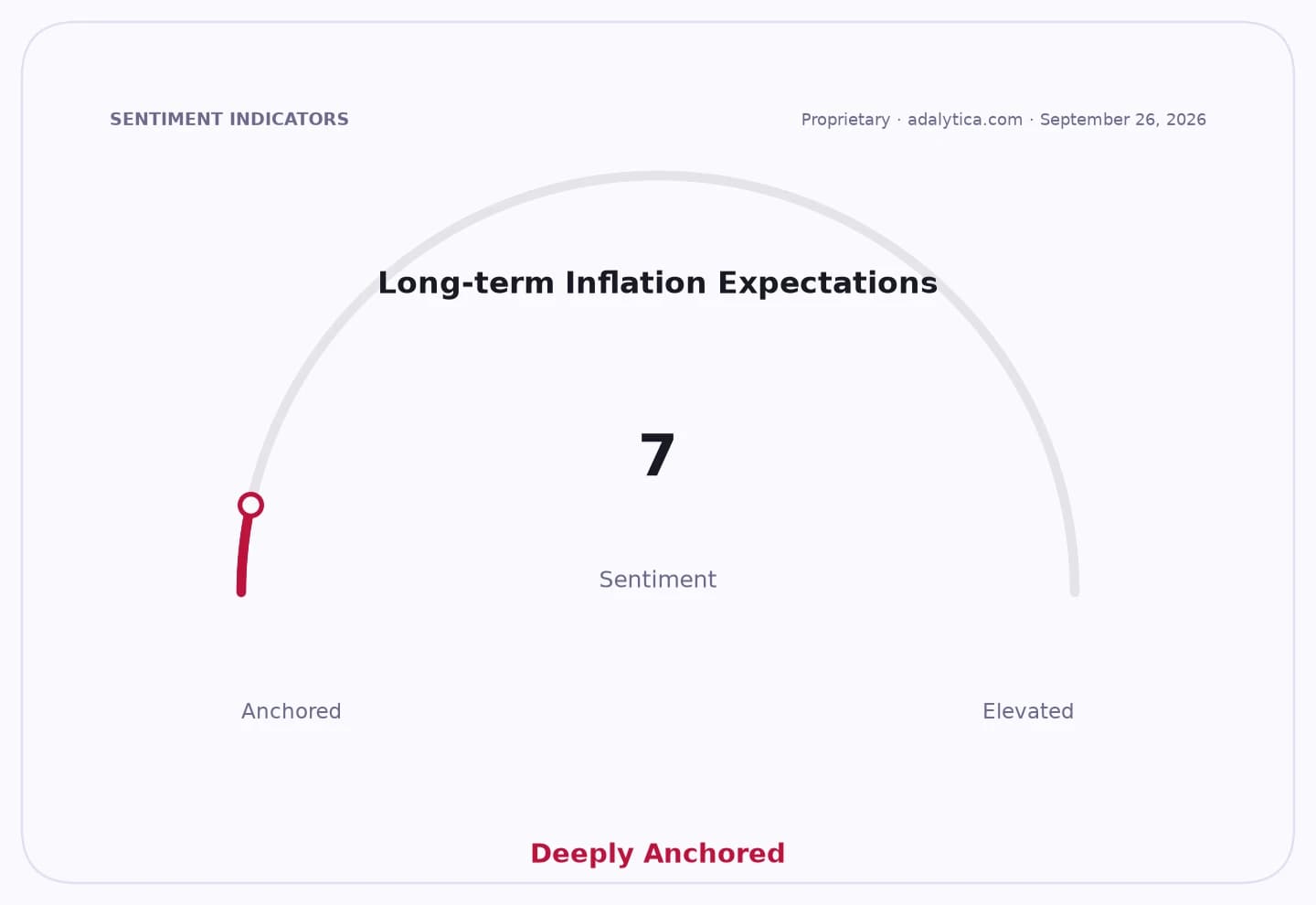
Sentiment IndicatorsⓘProprietary · adalytica.com · September 26, 2026
This is a snapshot — live sentiment, awareness and momentum for 130+ markets update continuously in the dashboard.Open AlphaPulse
The backdrop is a broad repricing in sovereign debt. U.S. 10-year yields are around 5.18% and the 2-year at 4.87%, while high-yield credit spreads remain comparatively contained at about 280 basis points, a combination that points to tighter funding conditions without outright stress. But for Asian issuers, the more relevant signal is the direction of travel: global rates are higher, the dollar remains firm and investors are demanding more yield for duration risk. Adalytica’s trade signals show U.S. Treasury bonds in “Greed,” underscoring the persistent bid for safety even as yields stay elevated.
For Korean borrowers, postponing issuance is often a tactical move to avoid locking in expensive financing. That can preserve margins and protect valuations in the short term, but it also raises the risk of a bottleneck if markets stay volatile. Companies with near-term maturities, aggressive capex plans or thin liquidity cushions are the most exposed. The longer the delay, the greater the chance they must tap the market at even higher coupons or turn to bank loans, which can be costlier and less flexible.
The pressure is visible in Korean equities as well. Samsung Electronics shares have fallen back after a strong run, with the stock still above its 50-day moving average but far more volatile than in May, while SK Hynix has also swung sharply as investors reassess financing conditions and the durability of the global tech cycle. Neither stock’s move is purely about rates, but higher yields tend to compress valuations for growth-sensitive names and make investors more selective about companies that need ongoing access to capital.
The narrative now is straightforward: a global bond selloff is feeding into higher domestic funding costs, and Korea Inc. is responding by waiting. If yields stabilize, the pipeline for corporate debt could reopen quickly. If they do not, next year may begin with a crowded refinancing calendar and a weaker bargaining position for issuers.
| Entity | Gains | Losses |
|---|---|---|
| Cash-rich Korean firms | ▲More time to wait | ▼Miss near-term funding windows |
| Leveraged Korean issuers | ▲Lower immediate issuance risk | ▼Higher refinancing costs |
| Bond investors | ▲Higher yields on new paper | ▼Wider volatility and deal delays |
| Banks/lenders | ▲Potential loan demand | ▼More credit exposure if markets stay shut |