South Korea is shifting defense spending toward AI-driven robotics and autonomous systems, a move that could reshape how the military protects troops, allocates manpower and awards contracts to defense suppliers.
South Korea boosts AI defense robotics spending

The government’s 2027 defense budget proposal lifts military spending 8.2% to 73.28 trillion won, the first time it has crossed the 70 trillion won threshold. More important for the sector, funding for AI and manned-unmanned combined systems jumps 55.5% to 772.7 billion won, while a new 43 billion won “physical AI demonstration project” is being set up to deploy AI robots for hazardous tasks such as handling dangerous materials and guarding bases.
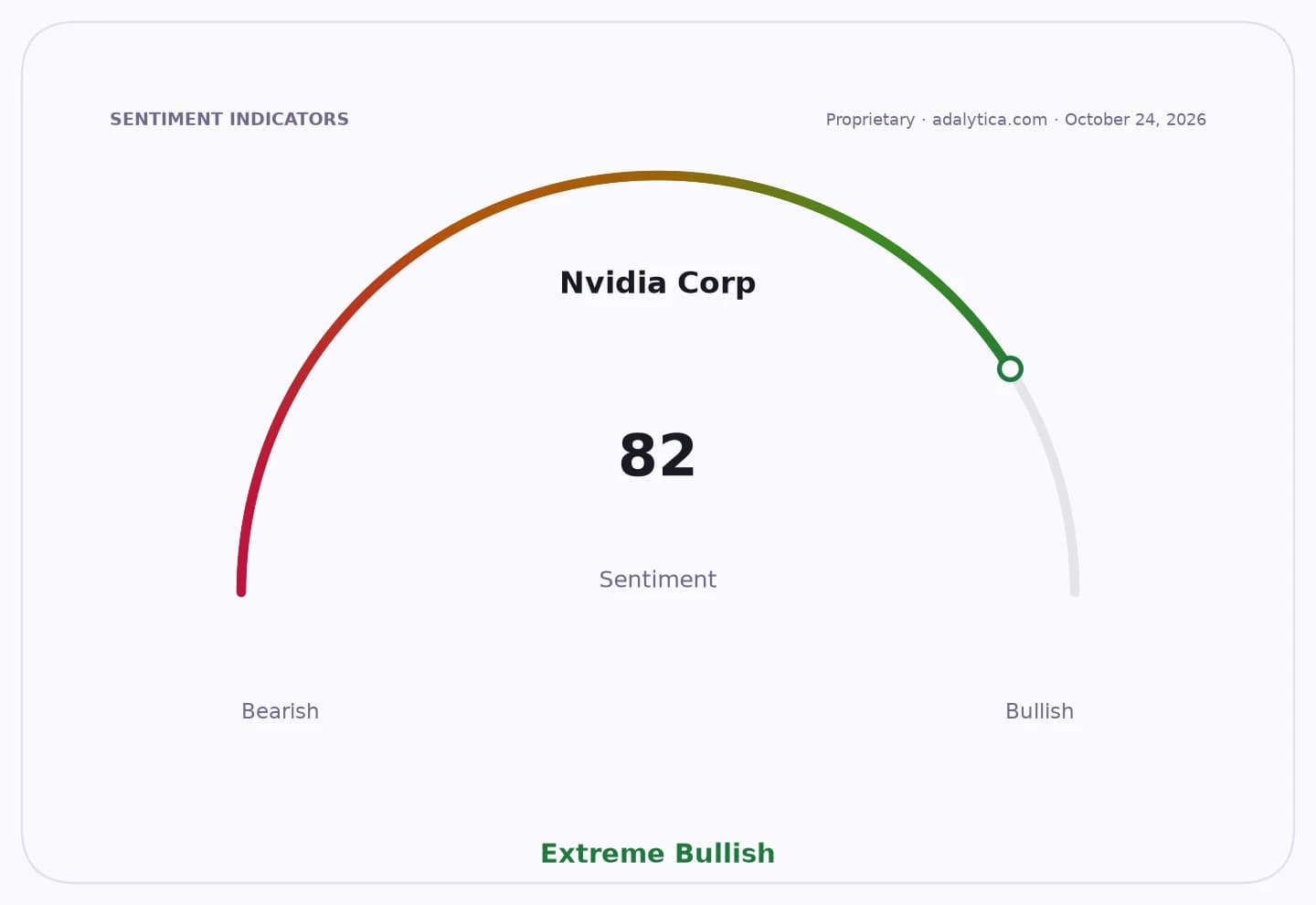
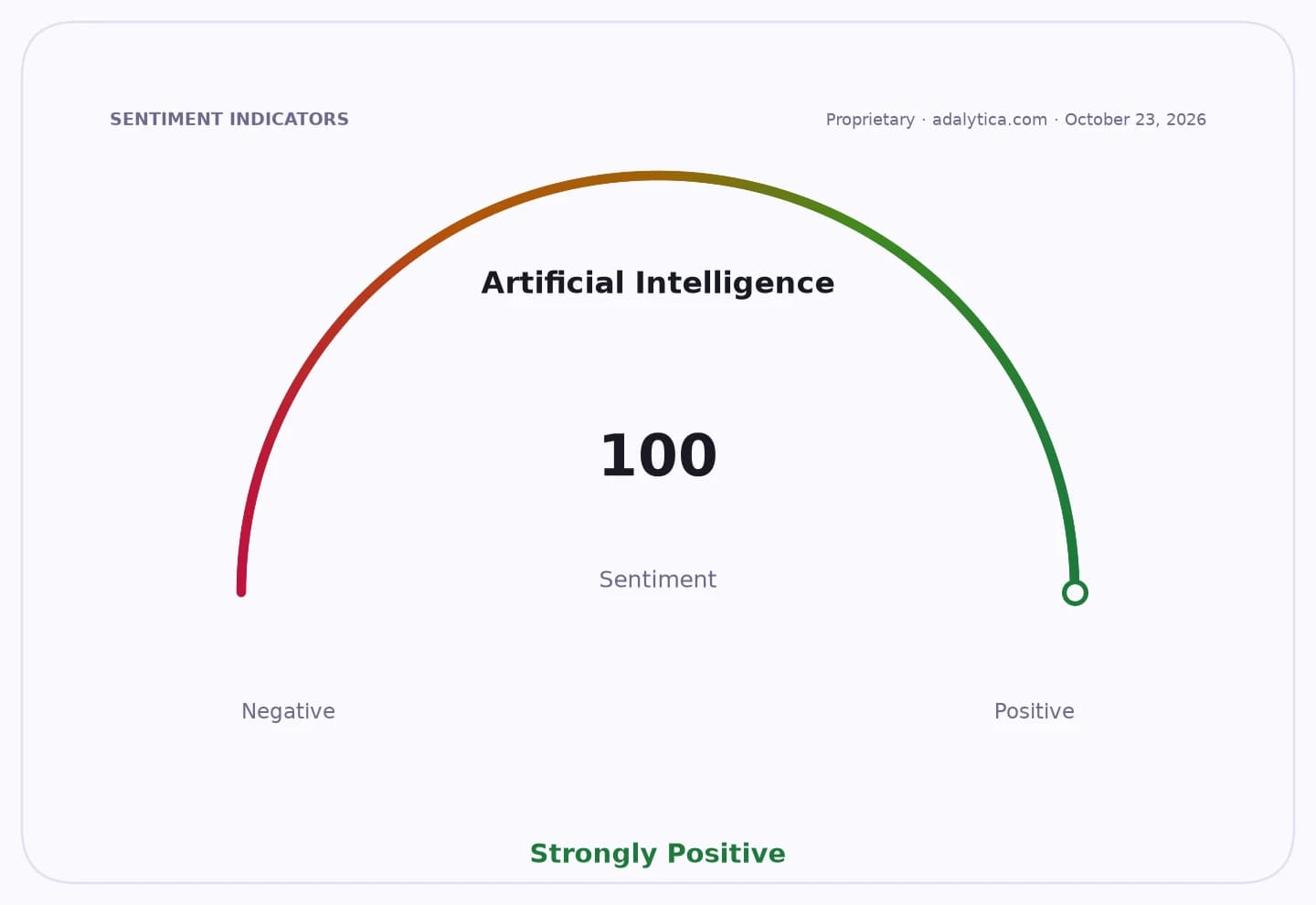
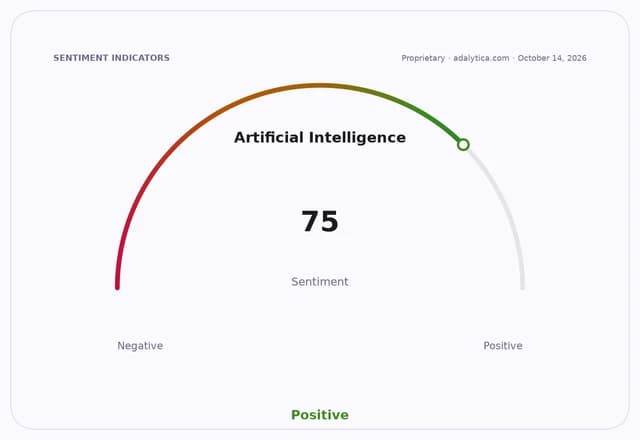
Sentiment IndicatorsⓘProprietary · adalytica.com · October 14, 2026
This is a snapshot — live sentiment, awareness and momentum for 130+ markets update continuously in the dashboard.Open AlphaPulse
That matters economically because South Korea is confronting a structural labor problem in its armed forces. As conscription pools shrink, the state is trying to substitute capital and software for scarce manpower, a shift that tends to favor higher-value defense procurement, systems integration and recurring testing, certification and maintenance work over simple equipment purchases. In effect, the military is moving from buying platforms to buying autonomy, resilience and command-and-control architecture.
The policy rationale has been sharpened by a recent incident on the western front DMZ, where three soldiers were injured in a suspected landmine blast during route clearance operations. Even before the investigation is complete, the episode underscores the cost of putting people first in high-risk areas and strengthens the case for robot-led reconnaissance, drone scouting and remote sensing before troops are exposed.
The article’s central narrative is not just modernization, but trust. In combat and border operations, the question is no longer whether robots can perform dangerous missions; it is whether they can do so reliably under electronic warfare, sensor spoofing, jamming and cyberattack. That is why the debate is moving toward “robot first” doctrine, fail-safe shutdowns and “meaningful human control” rather than simple human-in-the-loop oversight.
For investors, the implication is that defense budgets are increasingly tied to AI infrastructure, autonomy software and validation services, which could widen the addressable market for prime contractors and specialist suppliers. Companies such as Lockheed Martin, RTX and Northrop Grumman already position themselves as integrated defense and cybersecurity providers, and the direction of travel in Seoul echoes a broader global trend toward AI-enabled defense systems, drone deployment and AI cybersecurity.
The opportunity is substantial, but so are the execution risks. Battlefield AI has to work in rain, dust, smoke and GPS-denied environments, and it must remain controllable when communications fail. That raises the bar for test-and-evaluation regimes, post-update re-certification and liability frameworks, all of which could become as important to winning contracts as the hardware itself.
South Korea enters this phase with unusual industrial advantages. It is one of the world’s largest arms exporters and has one of the highest industrial robot densities in manufacturing, giving it a base to test and scale military physical AI faster than many peers. If it can combine that manufacturing strength with certification standards and clear rules on human authority, it could build a defense-AI ecosystem that becomes exportable in its own right.
The near-term catalyst is budget execution: which programs move from pilot status to procurement, how quickly physical AI is certified for field use and whether the military codifies rules for autonomy and accountability. For defense investors, the winners are likely to be firms that can prove reliability under combat conditions; the losers may be vendors that treat autonomy as a feature rather than a system of record.
| Entity | Gains | Losses |
|---|---|---|
| South Korea defense ministry | ▲Safer troop deployment | ▼Slower legacy procurement |
| AI robotics suppliers | ▲New military contracts | ▼Commoditized hardware vendors |
| Prime contractors | ▲Higher-value autonomy work | ▼Pure platform-only suppliers |
| Conscription-based manpower model | ▲Less pressure on troop numbers | ▼Greater reliance on testing and certification |