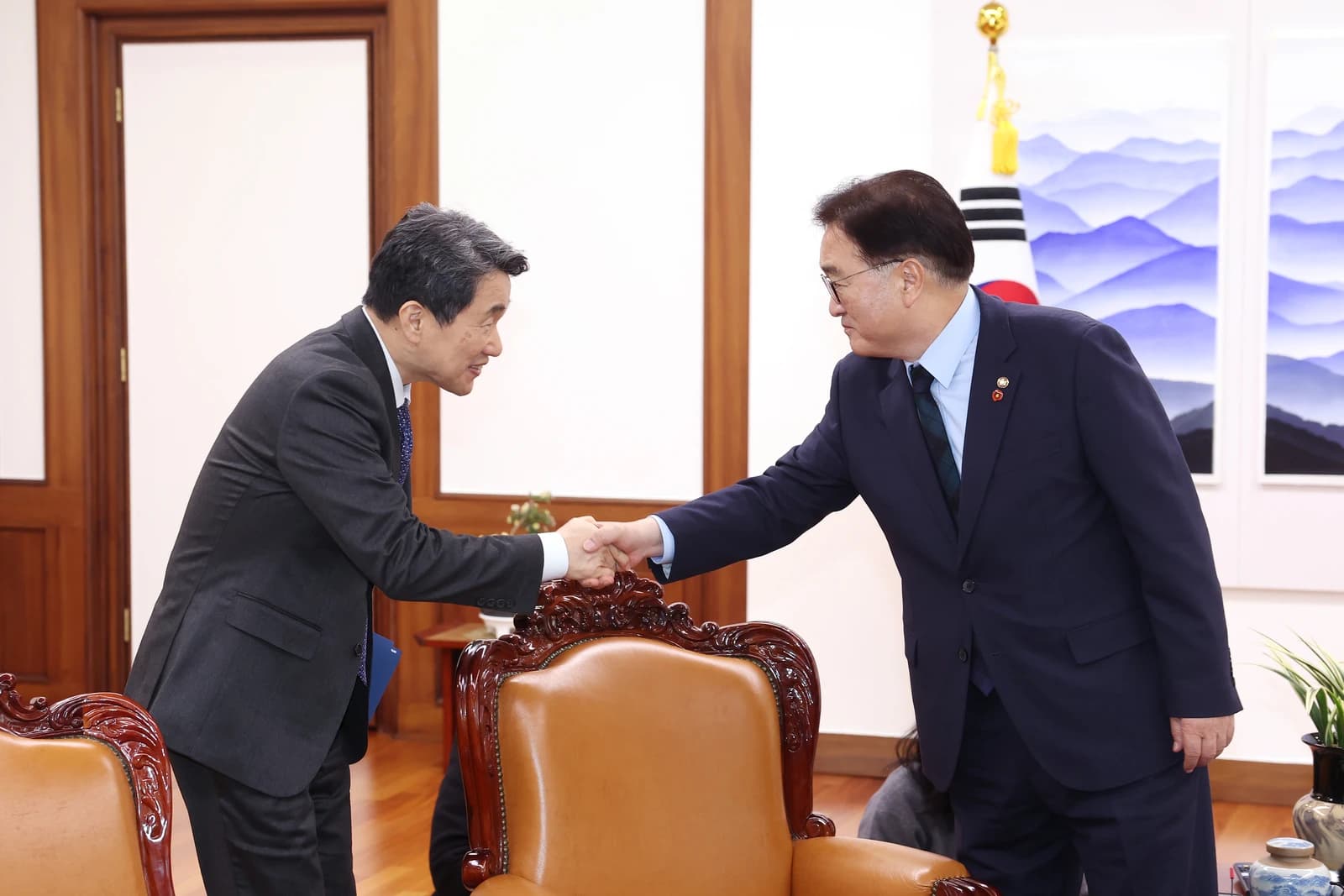
South Korea’s high-stakes testing system is now in the crosshairs after a spate of AI-assisted cheating allegations triggered the resignation of Education Minister Choi Kyo-jin and pushed President Lee Jae-myung’s government toward a broader overhaul of national exams.
South Korea Exam Cheating Scandal Spurs Overhaul
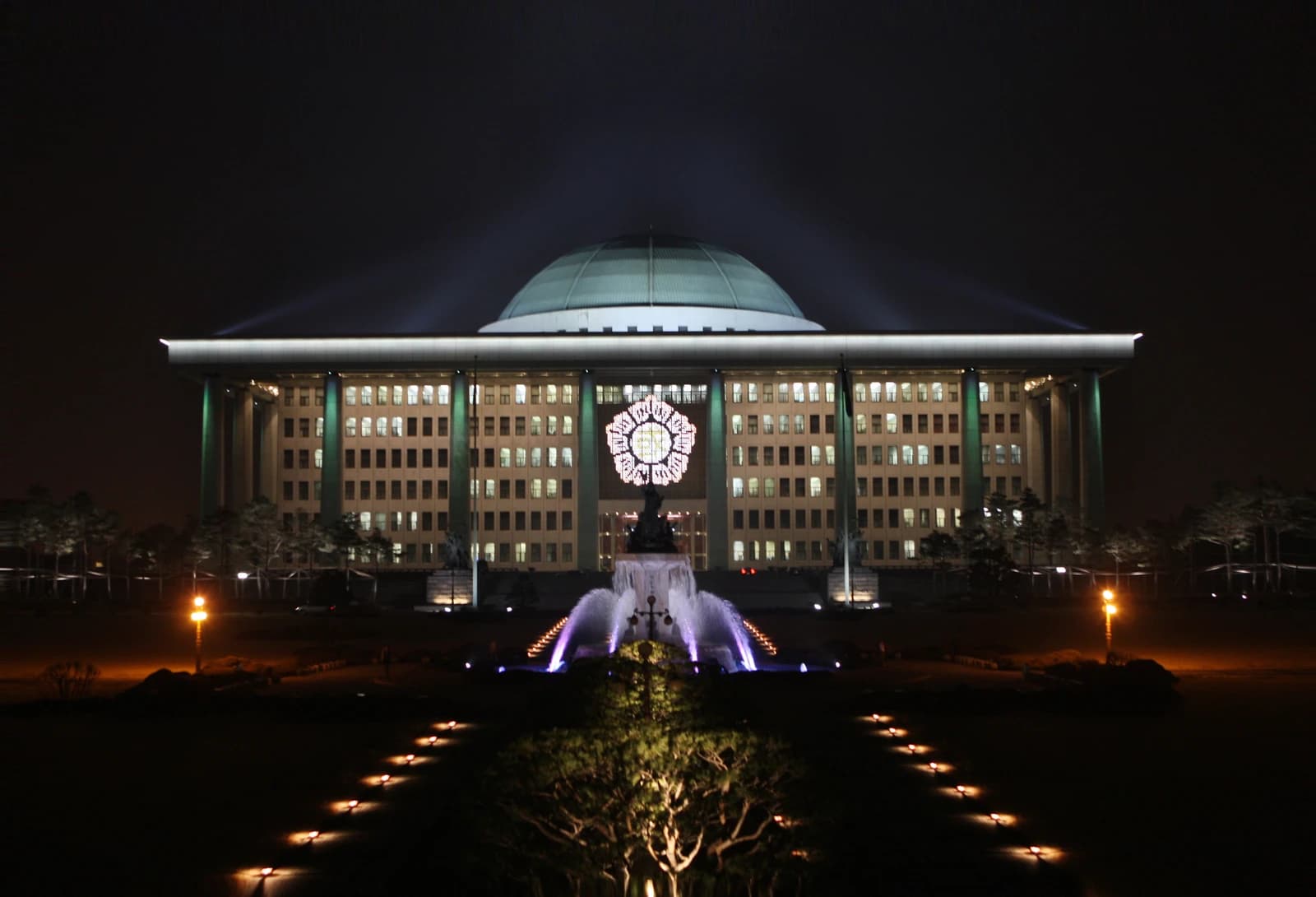
That matters because South Korea’s college entrance exam, the Suneung, is not just another test. It is a gatekeeper to top universities, better jobs and, in a country where credentials still shape life outcomes, a powerful determinant of long-term earning potential. When the public begins to doubt whether that gate is fair, the damage spreads far beyond one exam room.
Sentiment Indicators
The scandal erupted days before the Suneung, after the top scorer on a national tax-accounting certification exam admitted using a tiny camera and smartphone to secure near-perfect marks. Authorities then scrambled to tighten security, blocking public Wi-Fi at test sites and even covering shirt buttons to reduce the chance of covert device use. Officials said 111 electronic-device violations were detected during the exam period, with nearly half of them caught after the government sent three emergency warning messages to students who had not surrendered their smartphones.
For investors, the bigger story is not the resignation itself but the pressure this puts on the education industry to adapt. South Korea is signaling that old-style supervision is no longer enough against AI-enabled cheating, which raises the odds of a broader shift toward new testing formats, stronger monitoring tools and more digital controls. That creates both risk and opportunity for education companies, online learning platforms and assessment providers tied to exam preparation and verification.
The political fallout was swift. Choi told lawmakers he was not confident he could identify cheaters on test day and later said he was taking full responsibility and stepping down. He had already angered the public by skipping a pre-exam briefing on anti-cheating measures, leaving a deputy minister to handle the media. The presidential office said Lee accepted the resignation.
The deeper economic issue is trust. South Korea’s exam culture has long helped sort talent in a system where a single test can influence university access, career paths and social mobility. If families and students believe the system can be gamed with consumer technology, they will demand more expensive safeguards and, eventually, a redesign of how competence is measured. That is not a one-off scandal; it is a structural challenge to an entire meritocracy.
President Lee has already called for a comprehensive overhaul of national exams, and authorities are working with AI firms to improve detection. That points to a long-term trend investors should watch closely: education is becoming more software-driven, more monitored and more dependent on technology that can prove authenticity, not just deliver content. Companies that help schools, governments and credentialing bodies verify identity and behavior could gain from that shift, while firms that rely on the old exam-prep model may need to reinvent themselves.
In other words, the scandal is embarrassing for Seoul, but it is also a warning shot for the global education market. AI is no longer just changing how people learn — it is changing how institutions decide who gets ahead. Investors should watch for more spending on exam security, detection software and assessment reform, and treat this as a long-term watchlist theme rather than a short-lived headline.
| Entity | Gains | Losses |
|---|---|---|
| Exam-security vendors | ▲More demand for monitoring tools | ▼Legacy test rules |
| AI-detection firms | ▲New government contracts | ▼Cheating tactics |
| Education companies | ▲Chance to modernize platforms | ▼Trust in old prep models |
| South Korean students | ▲Fairer testing over time | ▼Short-term exam disruption |