South Korea’s education minister has quit after a scandal over AI-assisted cheating in the country’s fiercely competitive college entrance exam raised questions about the integrity of a test that shapes careers, income and social status.
South Korea education minister quits over exam cheating
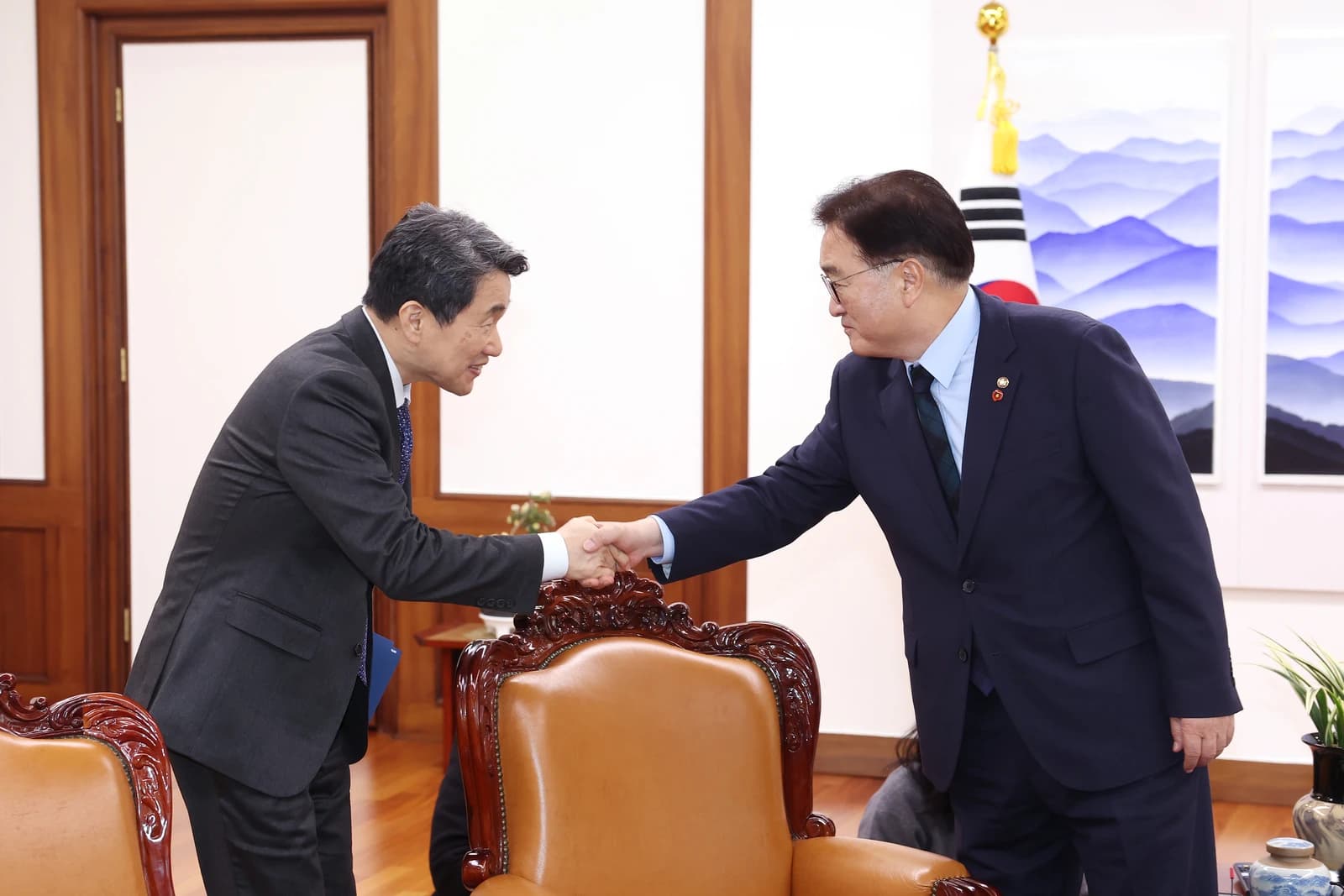
The resignation of Choi Kyo-jin underscores how quickly artificial intelligence is colliding with institutional trust in one of Asia’s most exam-driven economies. The fallout matters well beyond education: if high-stakes public testing can no longer reliably distinguish merit from misconduct, the implications reach universities, employers and the broader labor market that depends on the exam’s credibility.
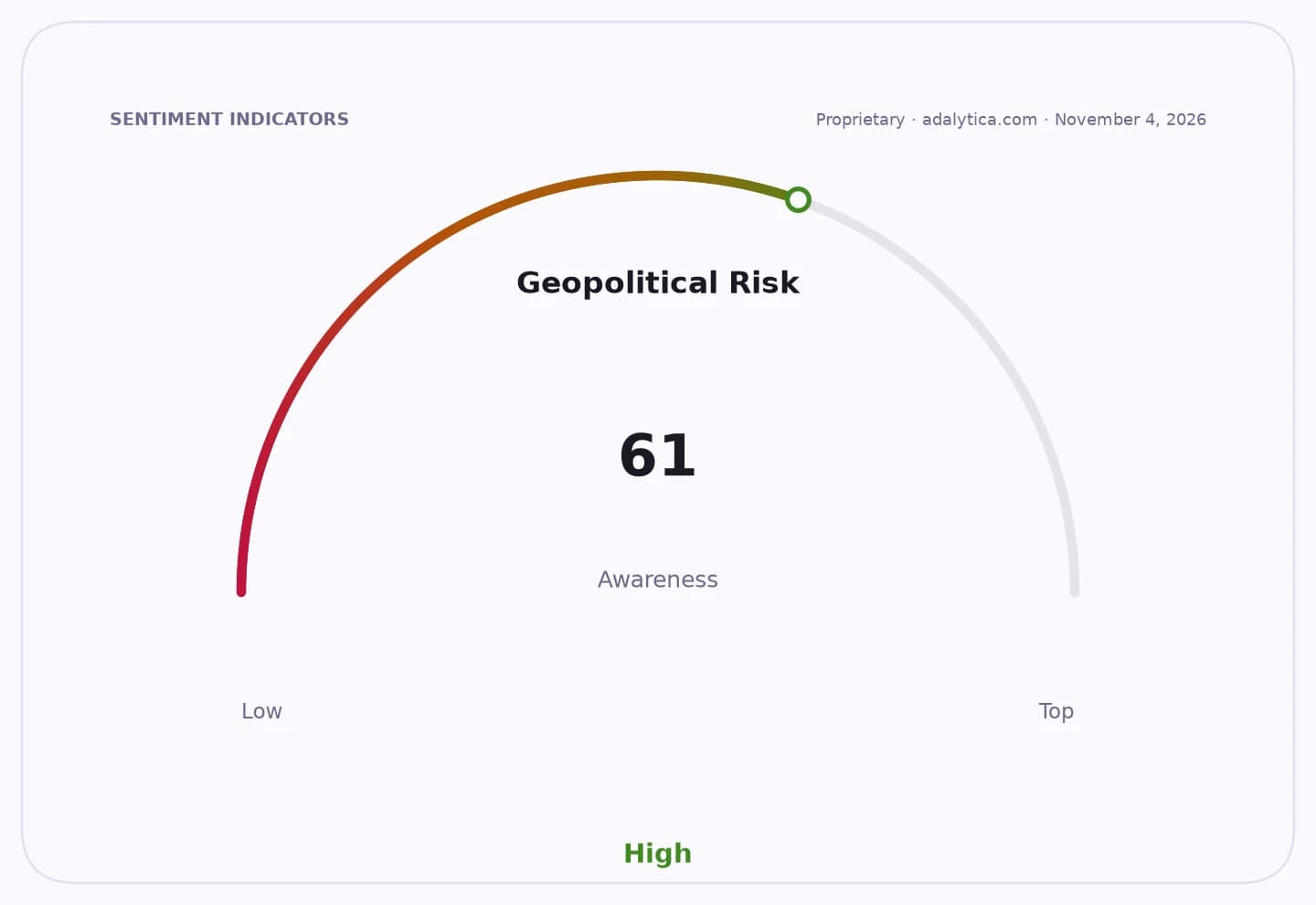
Sentiment Indicators
Authorities said 111 cases of misconduct involving electronic devices were found during Thursday’s national college entrance test, known as the Suneung, which drew about 500,000 candidates. Roughly half of those cases involved students who had not surrendered mobile phones. The education ministry had already imposed unusually strict controls, including shutting off wireless networks around exam centers and offering a reward of about 68,000 euros for reporting cheating.
The episode became politically combustible after a separate scandal involving the nationwide tax accountant exam, where the top scorer admitted to cheating with artificial intelligence. That case accelerated scrutiny of test security and showed how generative tools are now being used to game credentialing systems that were designed for an earlier technological era.
For investors, the story is less about a minister’s departure than the growing regulatory and commercial pressure around AI governance, surveillance and verification. Companies that sell exam monitoring, digital authentication and device detection may see stronger demand, while firms building consumer-facing AI tools face a more hostile policy backdrop if governments move to tighten controls on how such tools are accessed and used.
President Lee Jae-myung accepted the minister’s resignation, but the deeper issue is whether South Korea can preserve confidence in a system that has long been seen as a gatekeeper to elite universities and, by extension, economic opportunity. With AI capabilities advancing faster than testing rules, authorities are likely to face pressure to redesign examinations, expand monitoring and potentially rethink how merit is measured in public institutions.
| Entity | Gains | Losses |
|---|---|---|
| Exam security vendors | ▲Higher demand | ▼— |
| South Korean universities | ▲Tighter admissions controls | ▼Trust in exam results |
| AI tool makers | ▲Wider public attention | ▼Regulatory scrutiny |
| Students and families | ▲Potentially fairer testing | ▼Confidence in the system |