South Korea’s education minister resigned after a cheating scandal tied to AI and mobile devices embarrassed authorities ahead of the country’s fiercely competitive university entrance exam and raised fresh questions about how schools police technology.
South Korea education minister resigns after exam cheating scandal
The departure matters because the annual Suneung is one of South Korea’s most economically consequential tests, shaping access to top universities, high-paying jobs and, by extension, long-term earnings prospects. Any lapse in exam security carries political weight in a country where educational credentials remain a major driver of social mobility and labor-market outcomes.
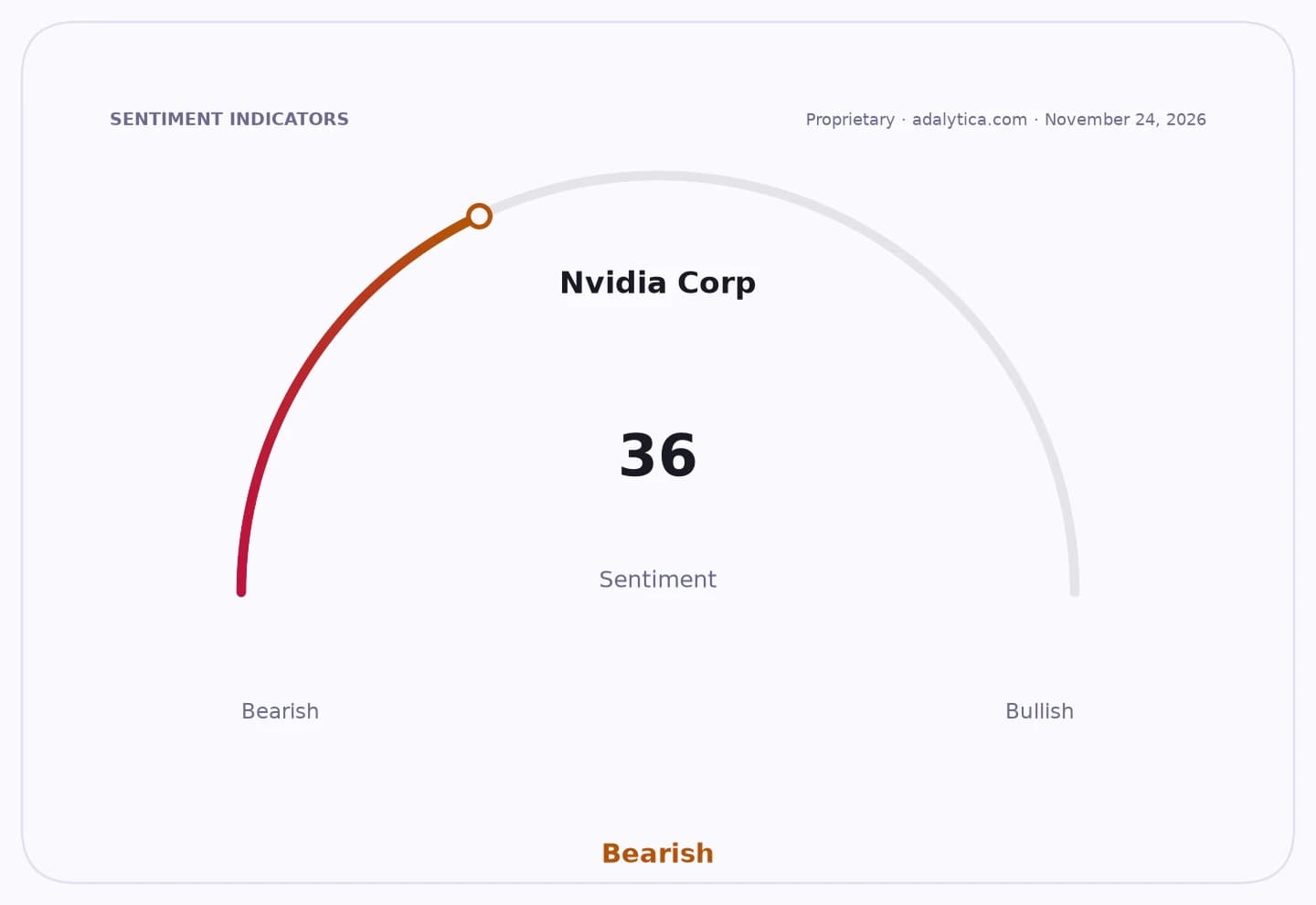
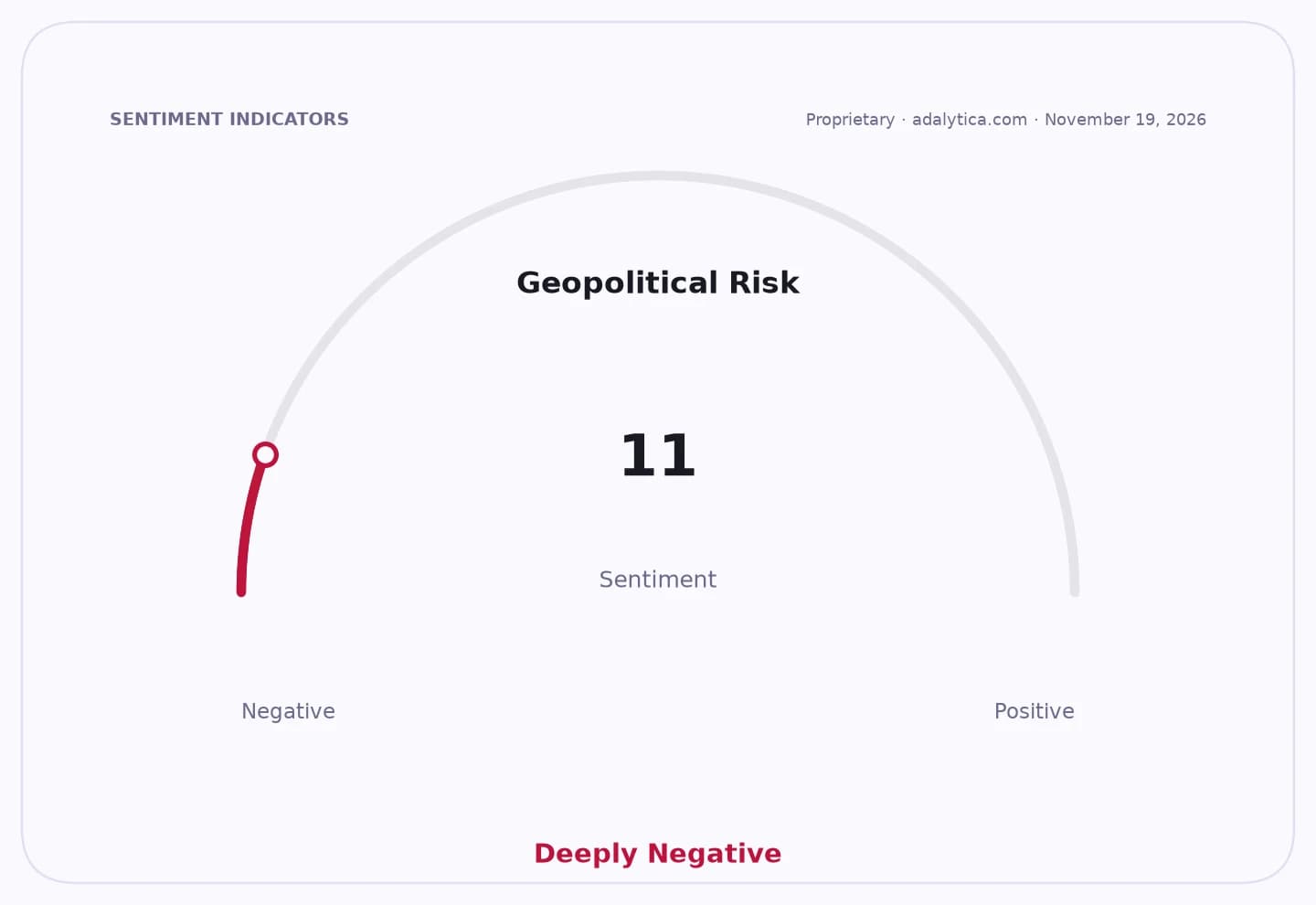
Sentiment Indicators
Choi Kyo-jin stepped down on Nov. 22 after criticism that the government had not prepared adequately for the threat of cheating using electronics. The scandal erupted when the top candidate in a national tax accountant exam admitted using a tiny camera and smartphone just four days before Suneung, sharpening public concern over the integrity of the system.
Authorities responded by restricting Wi-Fi, placing buttons on candidates’ clothing and sending phone alerts to catch contraband devices. Even so, officials said they detected 111 cases of misconduct during the nine-hour exam, nearly half of them flagged through emergency alerts sent to identify smartphones that had not been surrendered.
President Lee Jae Myung accepted Choi’s resignation after the minister said he took full responsibility. Choi drew criticism earlier in the week when, asked in parliament whether he was confident the government could catch cheaters on exam day, he replied that he was not, citing his age.
For investors, the scandal is less about a direct market hit than about the broader policy challenge of AI-enabled fraud and the costs of trying to contain it. Schools, testing agencies and governments are likely to face pressure to harden security protocols, while companies selling detection tools, proctoring software and exam infrastructure could see greater demand.
The episode also lands at a time when AI risk is moving higher on corporate and policy agendas worldwide. South Korea’s response will be watched for signs of tighter governance around AI use in education and, more broadly, for how aggressively regulators move to stop technology from undermining trusted institutions.
| Entity | Gains | Losses |
|---|---|---|
| Exam security vendors | ▲More demand for screening tools | ▼— |
| South Korean government | ▲Chance to tighten controls | ▼Political credibility |
| Students who play by rules | ▲Fairer exam environment | ▼— |
| Cheaters using electronics | ▲— | ▼Higher detection risk |