Taiwan’s domestic banks are stepping up use of artificial intelligence to defend against a sharp rise in cyber probes and attacks, underscoring how financial institutions are being forced to spend more just to keep pace with increasingly automated threats.
Taiwan Banks Step Up AI for Cyber Defense
Taiwan Cooperative Bank said suspicious external probes and attacks over the first 10 months of the year ran at about twice the monthly average of 2025, with roughly 80% of incidents concentrated between August and October. The attacks mainly hit internet-facing services such as bank websites, online banking platforms and corporate banking services.
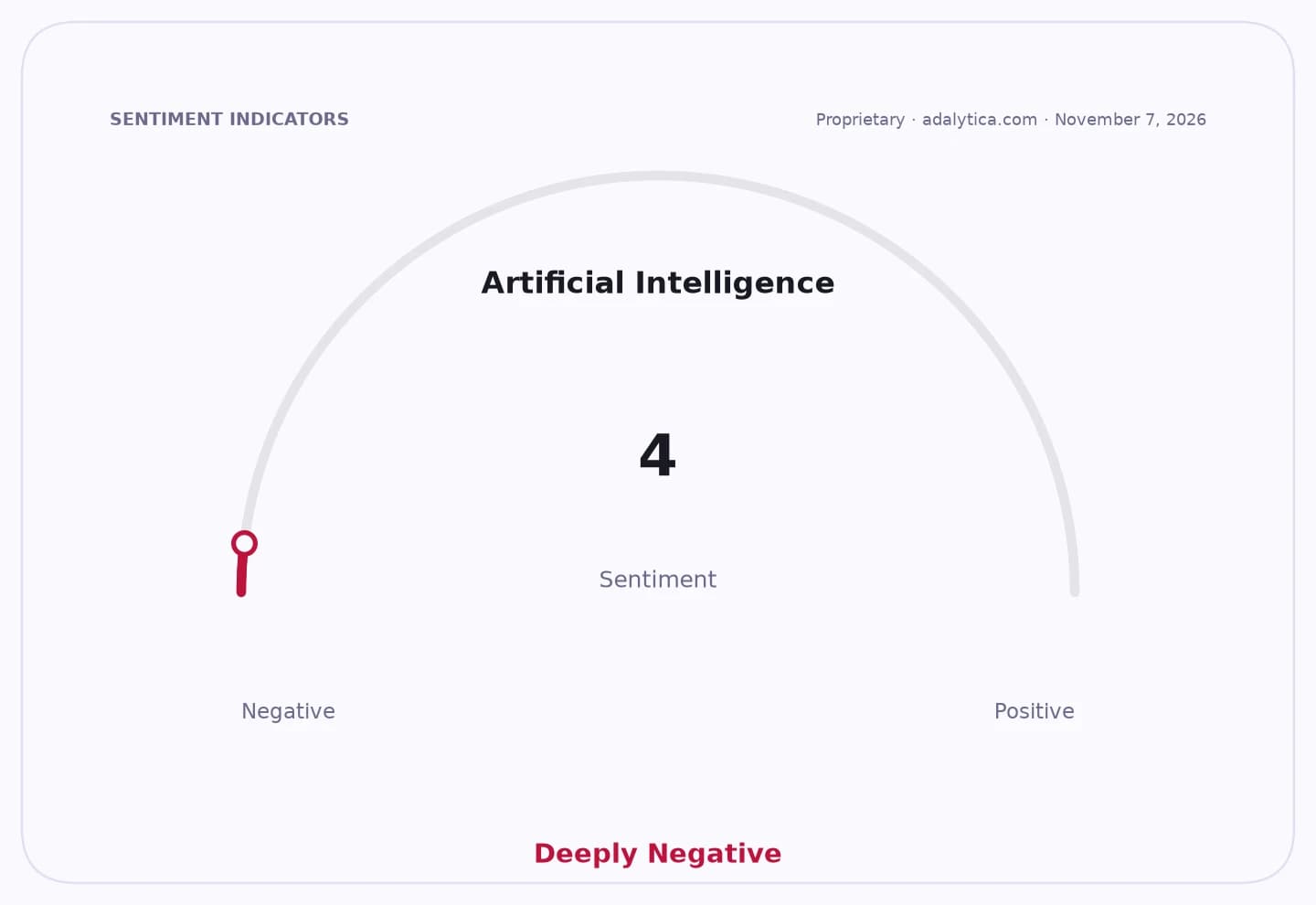
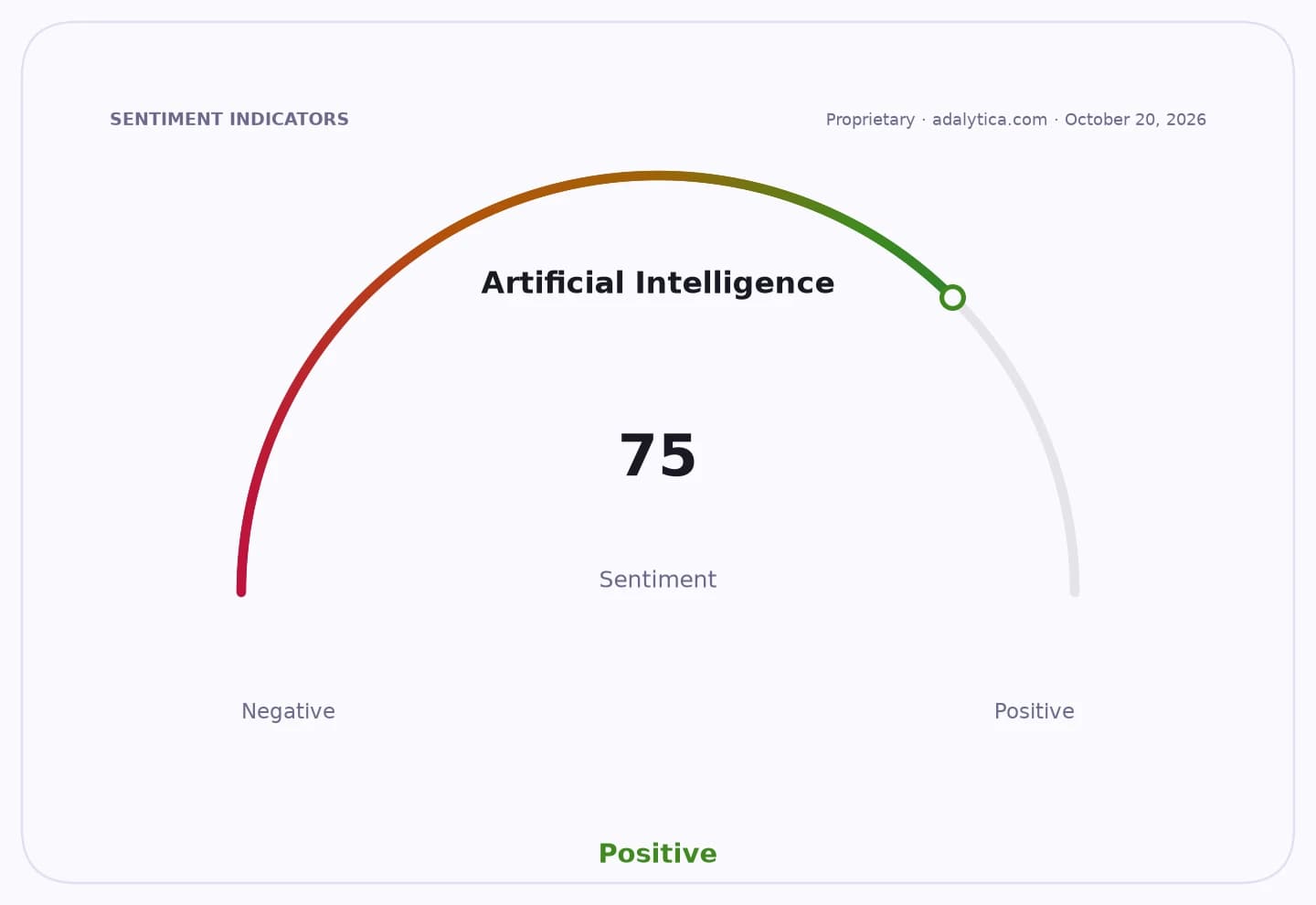
Sentiment Indicators
First Bank said its web application firewall blocked about 2.2 million attacks from January through October, with probing activity rising sharply from the third quarter. That kind of volume highlights why banks are leaning on AI to monitor traffic, flag abnormal behavior and link related security incidents faster than older rule-based systems can.
The banks said they have not identified attacks that can be definitively attributed to autonomous AI systems, but the line is getting harder to draw as attack methods become more automated. That matters for investors because the arms race raises operating costs for lenders while supporting demand for cybersecurity vendors that sell detection, endpoint defense and network monitoring tools.
First Bank has rolled out AI-powered network and endpoint detection systems, while Bank of Taiwan and Taiwan Cooperative Bank are also testing or using AI-assisted tools to improve threat detection and incident response. The move reflects a broader shift across the financial sector, where cyber risk is increasingly seen as a balance-sheet and reputation issue rather than a back-office IT problem.
Rays Technology consultant Chen Chia-hung said banks should also use AI to simulate attacks and test weaknesses before hackers can exploit them, suggesting the next phase of defense will be as much about prevention and drills as about detection. For Taiwan lenders, the immediate risk is that attack volumes keep climbing faster than defenses; for cybersecurity suppliers, the trend points to sustained demand as banks and regulators harden systems against a more sophisticated threat landscape.
| Entity | Gains | Losses |
|---|---|---|
| Taiwan banks | ▲Faster threat detection | ▼Higher security spending |
| Cybersecurity vendors | ▲More demand for AI tools | ▼Pressure to prove effectiveness |
| Hackers | ▲More complex targets | ▼Harder to evade detection |
| Bank customers | ▲Better account protection | ▼Potential service friction |