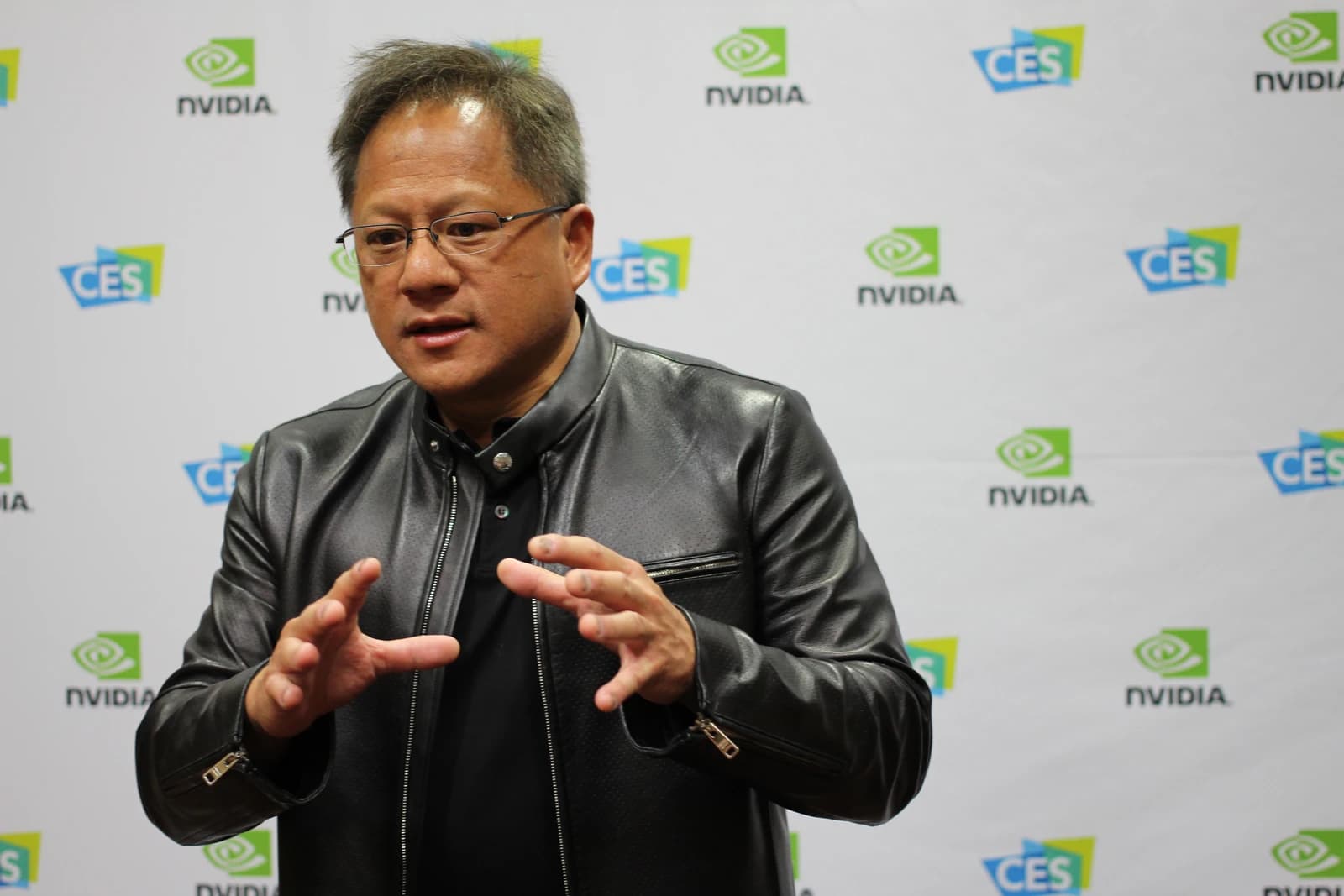
NVIDIA’s export-control problem is widening, with a Wall Street Journal report saying the core operator behind a suspected chip-smuggling network is a 52-year-old Chinese man based in Singapore, not Alice Hwang, who had been cast as the public face of the operation.
NVIDIA export probe widens over Singapore chip network
That matters because the case goes beyond one intermediary and suggests a more durable gray market built around restricted NVIDIA AI chips, a trade that can undermine U.S. curbs on advanced semiconductors headed for China. For investors, the issue is less about near-term revenue and more about regulatory overhang: every new link in the chain raises the odds of tighter enforcement, more compliance costs and further scrutiny of NVIDIA’s Asia sales channels.
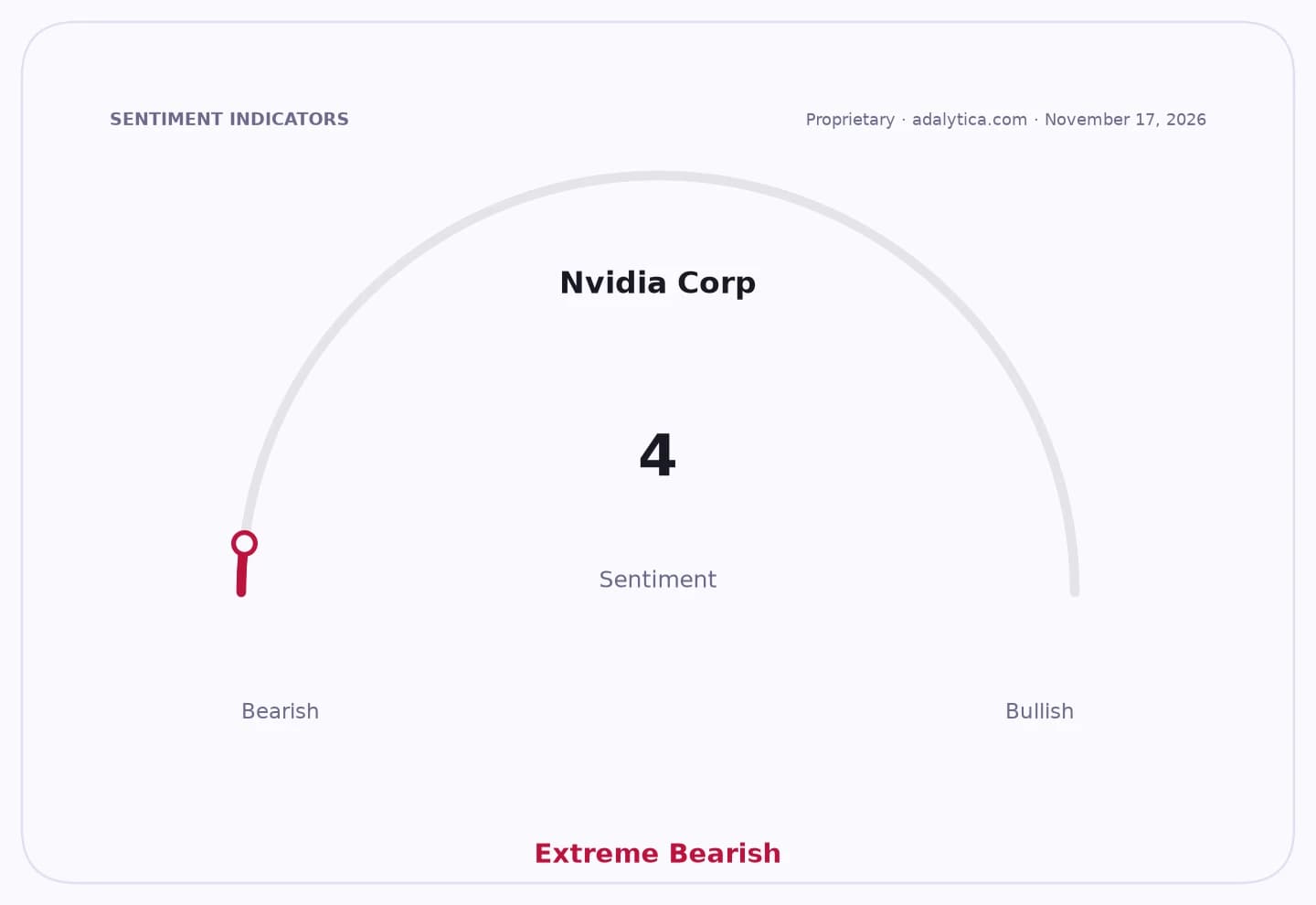
Sentiment Indicators
According to the report, the Singapore-based network used company structures including Megaspeed, where Hwang was listed as an executive, to obtain access to NVIDIA’s latest chips after Washington restricted sales to China. The WSJ said the real operational center was a Chinese man identified as Li Ming, who was deeply involved in Megaspeed’s decisions and also worked with other chip-trading entities.
Singapore authorities charged Li last year over alleged fraud tied to diverted NVIDIA chips, while NVIDIA placed Megaspeed on an internal “no sell” list around June 2025, according to the report. Hwang later left the company, and the network allegedly re-emerged through a new firm, Novagate Cloud, which has continued obtaining NVIDIA chips for data-center business.
Nvidia Corp — 30-day sentimentadalytica.com
Explore this data interactively — full history, time series and cross-market comparisons.
The episode highlights how exporters and regulators are still trying to close gaps left by transshipment hubs in Southeast Asia, where sensitive U.S. hardware can be rerouted before reaching China. It also keeps pressure on NVIDIA at a time when the stock has been volatile and recent technical readings show the shares have been trading well below the 50-day moving average, with RSI in weak territory despite a sharp rebound from November lows.
For investors, the key question is whether the probe stays a law-enforcement story or becomes a broader policy issue that could further restrict NVIDIA’s sales, particularly in regions used as conduits for China-bound demand. More disclosures from U.S. or Singapore authorities, and any move to blacklist additional firms tied to the network, are likely to set the next leg of the story.
| Entity | Gains | Losses |
|---|---|---|
| U.S. regulators | ▲Stronger enforcement case | ▼Fewer loopholes if network expands |
| NVIDIA | ▲Cleanup of illicit channel risk | ▼More compliance scrutiny |
| China-based buyers | ▲Access to restricted AI chips | ▼Disrupted supply lines |
| Singapore intermediaries | ▲Short-term chip access | ▼Investigations, blacklists, charges |