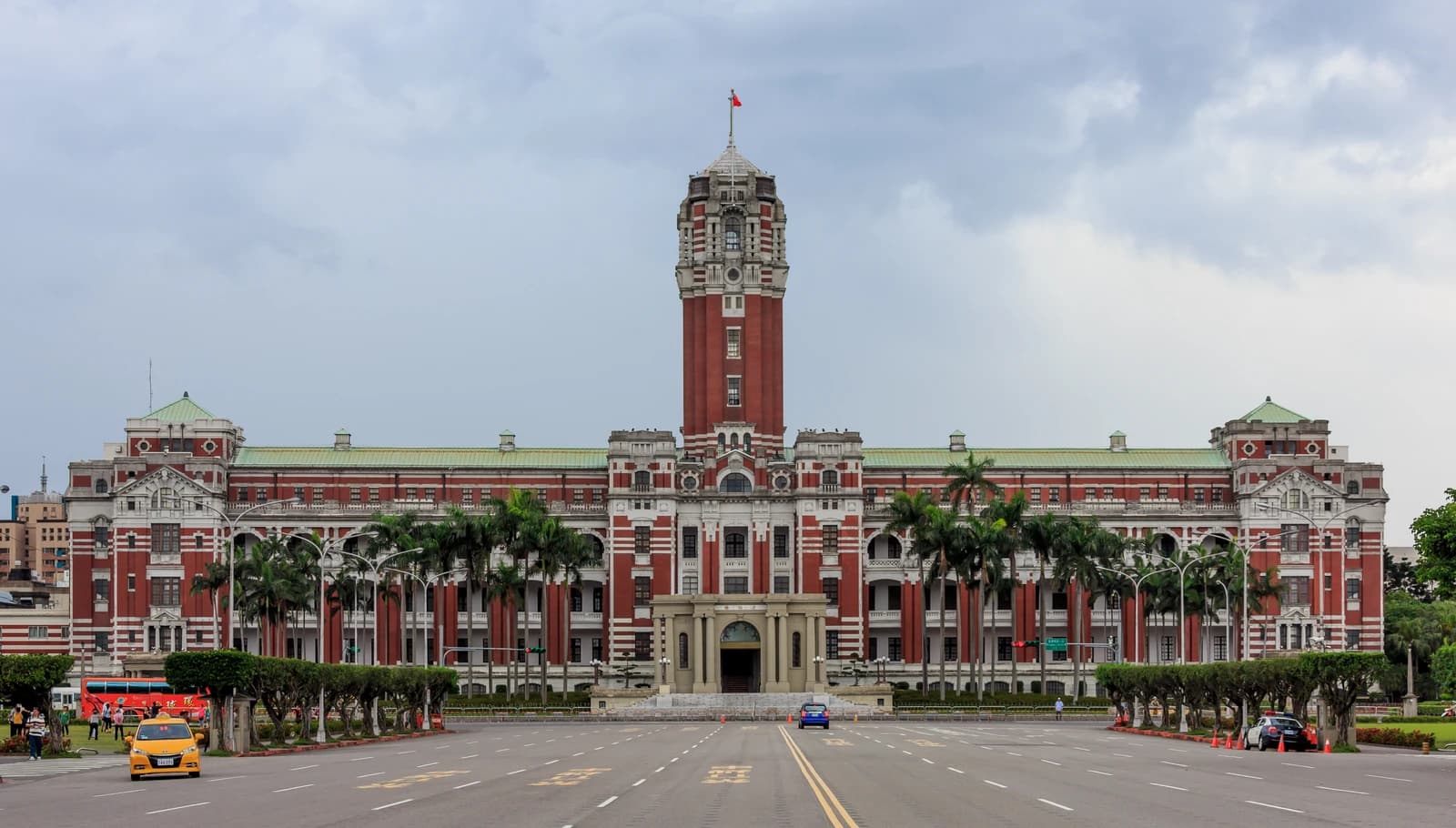
Taiwan’s warning to Meta over nearly 2,700 suspected influence accounts is a reminder that the next battleground in cross-strait rivalry is increasingly digital, and that matters for both election security and platform risk.
Meta Faces Taiwan Election Influence Account Warning
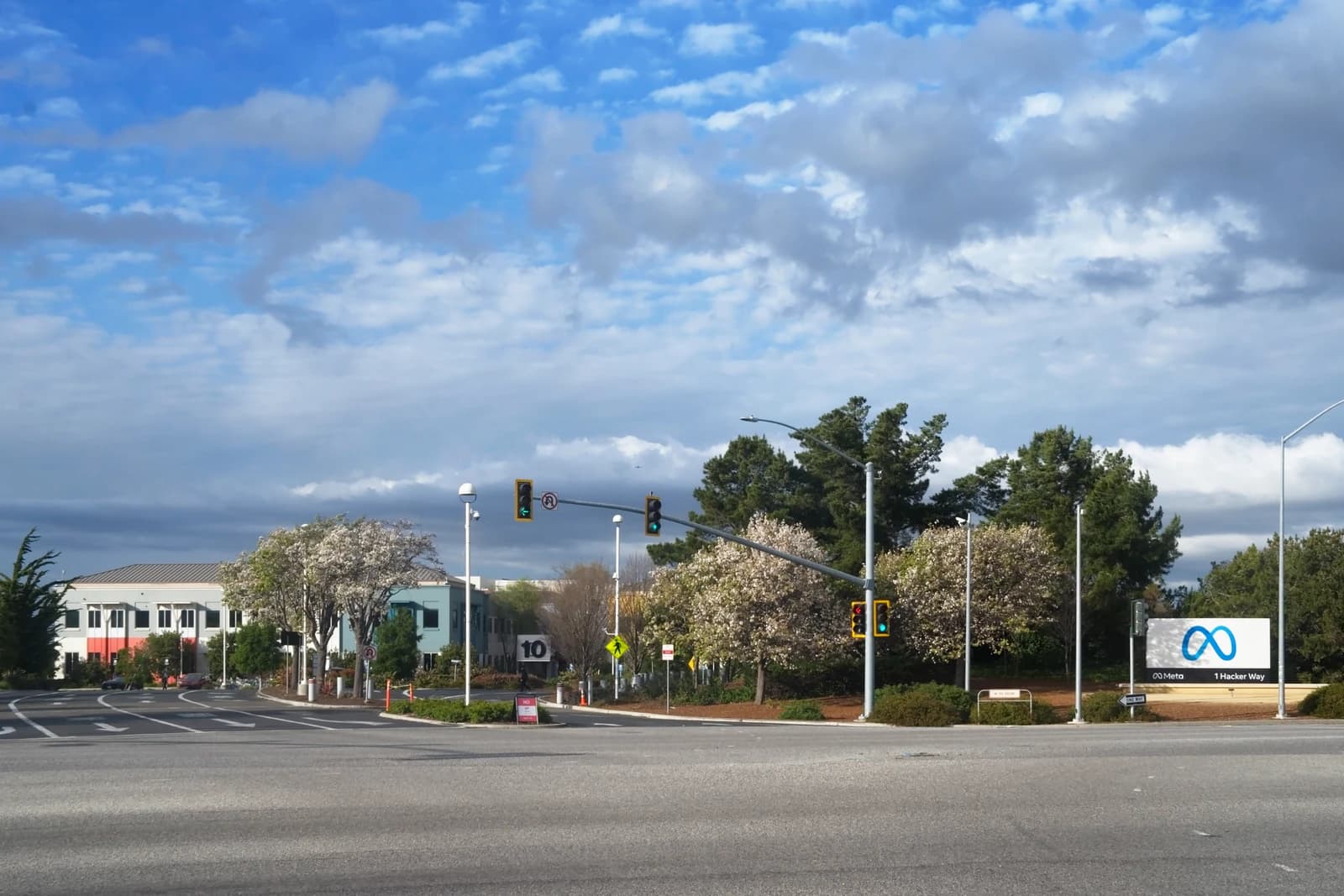
The government says the accounts on Meta’s Threads app are part of a Chinese information operation aimed at depressing turnout and turning voters against one another before local elections on Nov. 28. That makes the episode more than a cyber hygiene issue: it is a test of how effectively social platforms can police state-linked manipulation in a market where political content can move quickly and cheaply through short-form, AI-generated media.
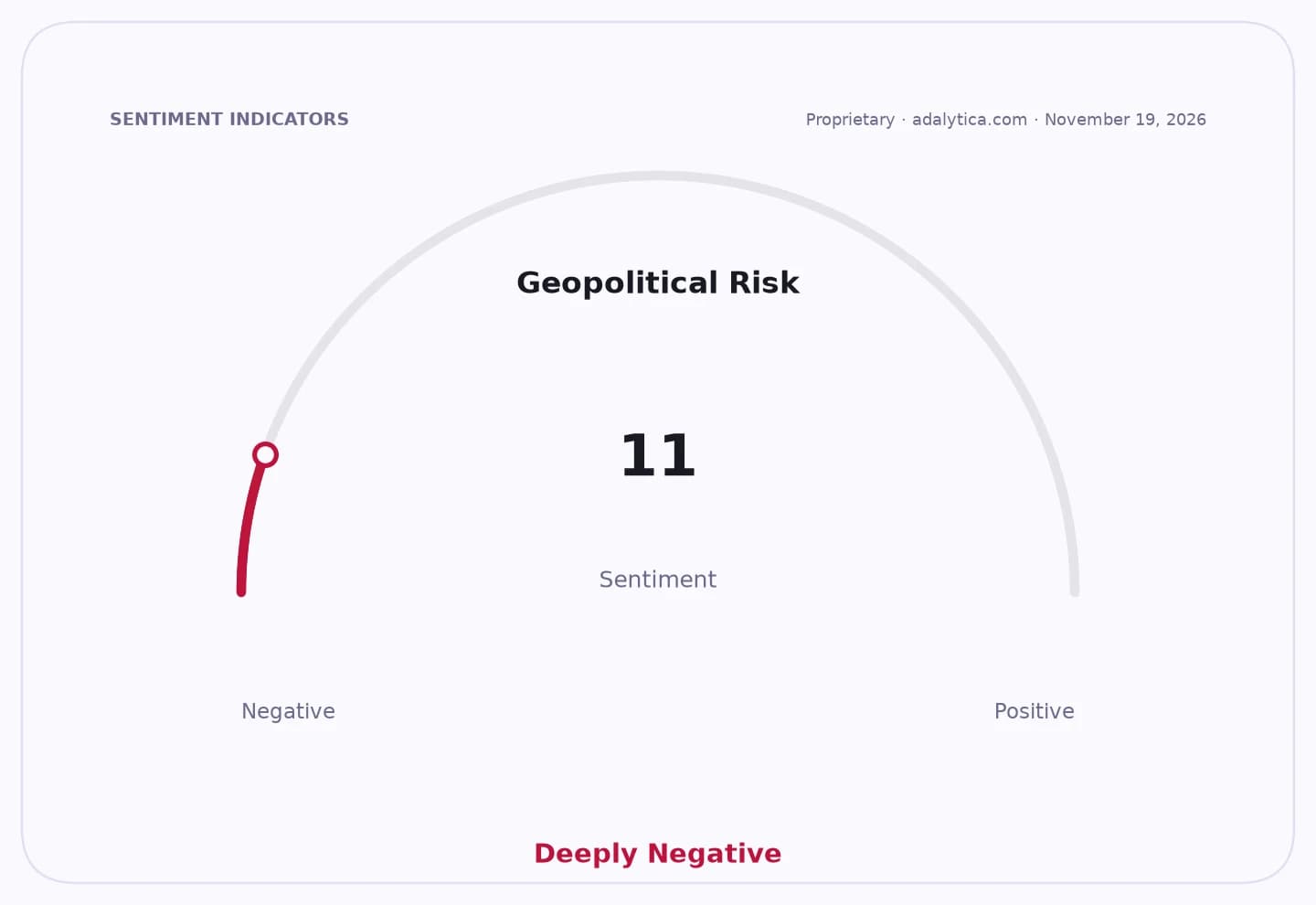
Sentiment Indicators
For Meta, the immediate significance is reputational and regulatory. Taiwanese officials say the flagged accounts were created in bulk over the past four months, many listing China as their location, and that about 260 accounts pushed more than 2,150 AI-generated videos that drew 2.35 million interactions. Meta says it has already removed the accounts, describing them as low-quality fake profiles. But the episode reinforces the persistent investor concern that platform scale also means platform liability, especially in politically sensitive markets where misinformation can attract government scrutiny and force higher moderation costs.
The timing is especially sensitive because Taiwan’s local vote is being watched as a political temperature check ahead of the island’s 2028 presidential race, and because Beijing has long treated the ruling Democratic Progressive Party as a separatist force. According to Taiwanese officials, the campaigns were not mainly designed to boost one candidate but to erode trust in the democratic process itself. That is the kind of behavior that can pressure platforms from both sides: users lose confidence, regulators demand action, and advertisers grow wary of brands appearing near manipulated content.
Investors should read this as part of a broader geopolitical premium attached to Meta’s global reach. Threads has become popular in Taiwan, which is exactly why it was targeted. That popularity is an asset when engagement is high, but it also raises the cost of keeping the service clean in contested information spaces. The market already knows Meta is exposed to content-moderation, election-integrity and AI-generated abuse risks; what it may underappreciate is how often those risks now intersect with U.S.-China tensions and Taiwan’s security environment.
Meta’s stock has also been under pressure recently, with the shares falling sharply below the 50-day and 200-day moving averages and RSI readings sliding into weak territory, a sign that sentiment has already turned fragile. In that setup, any fresh headline tied to election interference, especially in a geopolitically charged market, can amplify concerns about oversight, trust and compliance costs even if the company moves quickly to remove the content.
The bigger investment takeaway is that the firms best positioned in this environment are not necessarily the loudest social apps, but the ones that can prove they can authenticate users, detect coordinated inauthentic behavior and automate moderation at scale. The Taiwan case underscores a durable theme: geopolitical conflict is becoming a recurring operating expense for global platforms. That creates risk for Meta, but it also creates opportunity for cybersecurity, identity verification and AI-content detection vendors that sit on the toll road between user growth and regulatory survival.
| Entity | Gains | Losses |
|---|---|---|
| Taiwan government | ▲Boosts election vigilance | ▼Faces higher disinformation pressure |
| Meta | ▲Cleans up accounts quickly | ▼Faces moderation and reputational risk |