South Korea’s labor ministry is lifting next year’s budget to 38.95 trillion won, with the money aimed at cushioning a labor market being reshaped by artificial intelligence and weak entry-level hiring.
South Korea Labor Ministry Lifts 2025 Budget

The 3.4% increase from this year underlines how Seoul is treating the AI transition as a labor-policy issue as much as a technology one. The ministry is leaning on targeted support for young jobseekers, small employers and vulnerable workers at a time when large firms are automating more tasks and hiring fewer inexperienced workers. That makes the budget economically important because it is designed to sustain labor-force participation, reduce unemployment scarring among young workers and prevent the transition to AI from widening inequality.
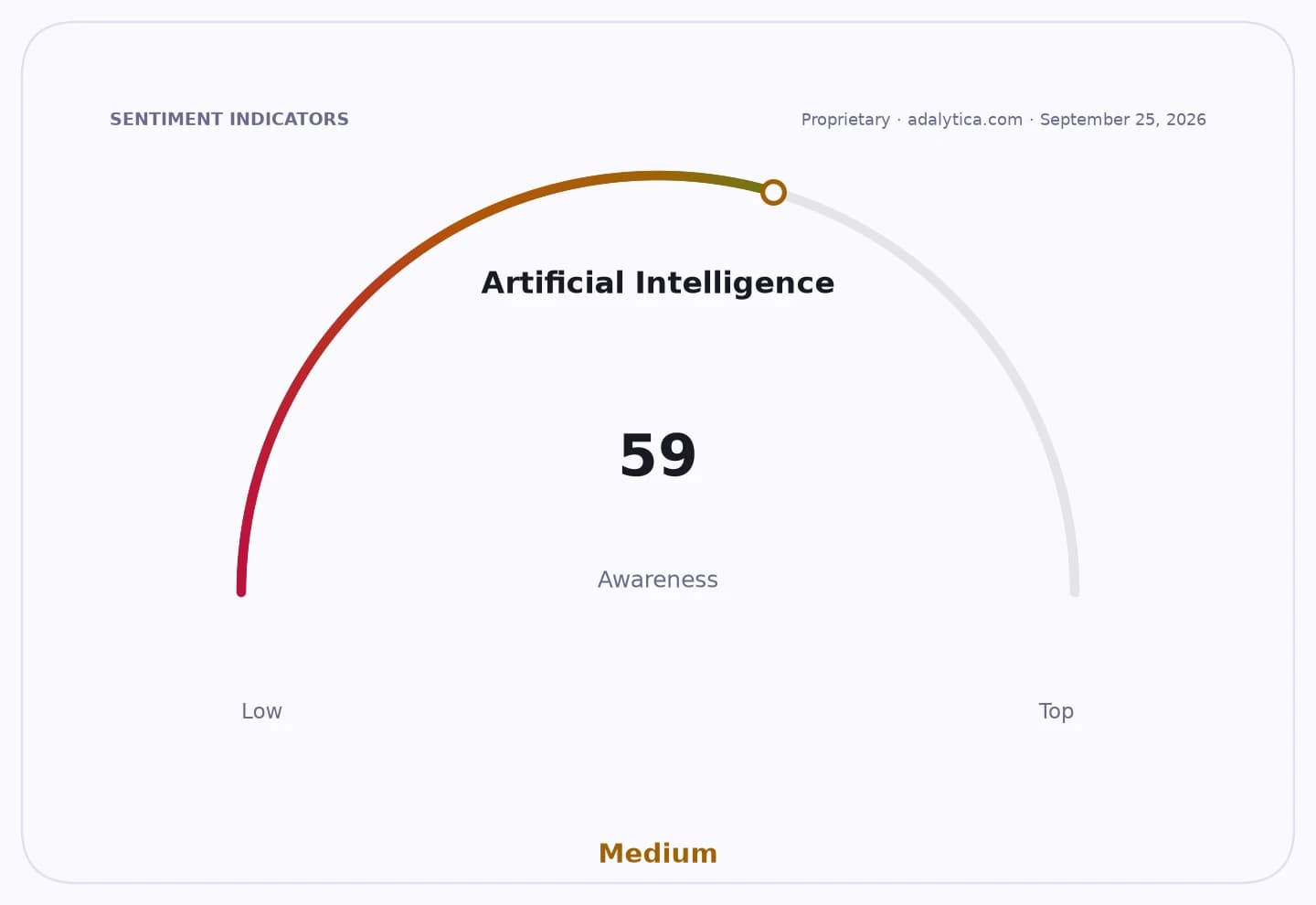
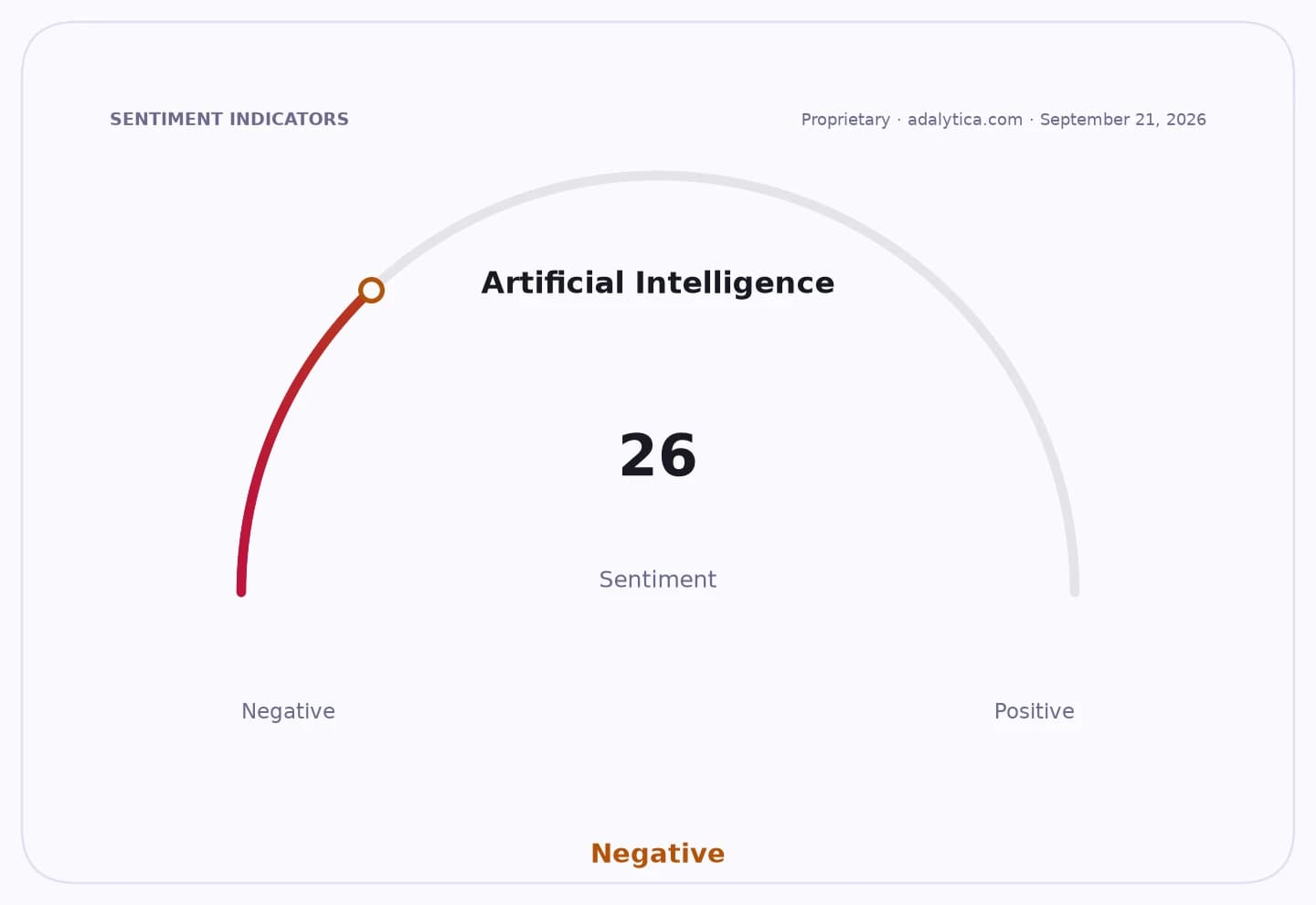
Sentiment IndicatorsⓘProprietary · adalytica.com · September 5, 2026
This is a snapshot — live sentiment, awareness and momentum for 130+ markets update continuously in the dashboard.Open AlphaPulse
The centerpiece is a new “Youth First Employment Support” program, which would give jobseekers without prior work experience access to 650,000 won a month in job-search benefits and counseling. The government also plans to expand the K-New Deal Academy from 10,000 participants this year to 50,000 next year, and introduce a new “youth AI first-job career support” program for 750 people, linking AI training to paid work experience at companies.
That is a clear signal that policymakers see the biggest near-term risk from AI not as mass unemployment, but as a bottleneck at the point of labor-market entry. In South Korea, as in other advanced economies, younger workers tend to bear the brunt when firms freeze junior hiring while still investing in automation. By widening training and internship pipelines, the ministry is trying to preserve a future labor pool for sectors that still need human skills, even as routine tasks are absorbed by software.
The plan also has direct implications for employers. The ministry will expand its wage and employment subsidy for youth jobs to 130,000 people, including workers in the Seoul metropolitan area, and increase support for qualified youth retention to as much as 18 million won over two years. For firms, that lowers labor costs at the margin, especially for smaller companies that often struggle to compete for younger workers. For investors, it supports household income and consumer spending while reducing the risk that a weak youth job market becomes a drag on broader domestic demand.
Small businesses and non-regular workers are another focus. The ministry will widen the “DuruNuri” social insurance subsidy to 1.8 million people and extend support to workers in firms with fewer than 10 employees, including coverage for industrial accident and health insurance premiums. It will also add support for early pension enrollment at firms with fewer than 30 workers. Those measures matter because South Korea’s fragmented labor market leaves smaller employers and contract workers exposed to higher compliance costs and weaker safety nets, which can feed a cycle of lower productivity and lower wage growth.
The “safe workplace” spending is also economically relevant. More funding for industrial accident prevention, wage arrears recovery and work-life balance support suggests the government is trying to reduce the hidden costs of labor-market insecurity. That matters for consumption and labor supply: workers are more likely to stay in the workforce, and spend more, if employment is steadier and childcare pressures ease.
For investors, the broader message is that the government is not trying to slow AI adoption, but to absorb its labor-market side effects. That should be supportive for AI-related capital spending over time, even if it increases near-term fiscal outlays. It also suggests ongoing policy support for training providers, human-capital programs, employers receiving subsidies and firms tied to labor-safety and workforce-management services.
The bullish case is that the budget helps bridge workers into higher-productivity jobs and prevents a generation of young Koreans from being shut out of the labor market. The bearish case is that subsidies and training can only do so much if companies keep using AI to reduce headcount and if the quality of new jobs does not improve fast enough. The next test will be whether these programs translate into higher youth employment, better retention and more AI-linked productivity gains rather than simply postponing adjustment.
| Entity | Gains | Losses |
|---|---|---|
| Young jobseekers | ▲More training and subsidies | ▼Less immediate labor-market pressure |
| Small businesses | ▲Lower social insurance costs | ▼Higher policy expectations |
| AI adopters | ▲Easier labor transition | ▼More scrutiny on hiring cuts |
| Non-regular workers | ▲Broader protections | ▼Greater compliance burden on employers |