The biggest damage from Ukraine’s disclosure that it sent two captured North Korean soldiers back to South Korea is diplomatic, not military — and it lands squarely on President Lee Jae-myung’s effort to reopen channels with Pyongyang while keeping Moscow onside.
South Korea Prisoner Transfer Dispute Hits Diplomacy
Washington-based experts say the public revelation has complicated Seoul’s attempt to clear away the political and emotional obstacles that stand between it and North Korea. It has also muddied South Korea’s longer-term balancing act with Russia, a relationship Seoul would like to eventually normalize even as it continues supporting Ukraine.
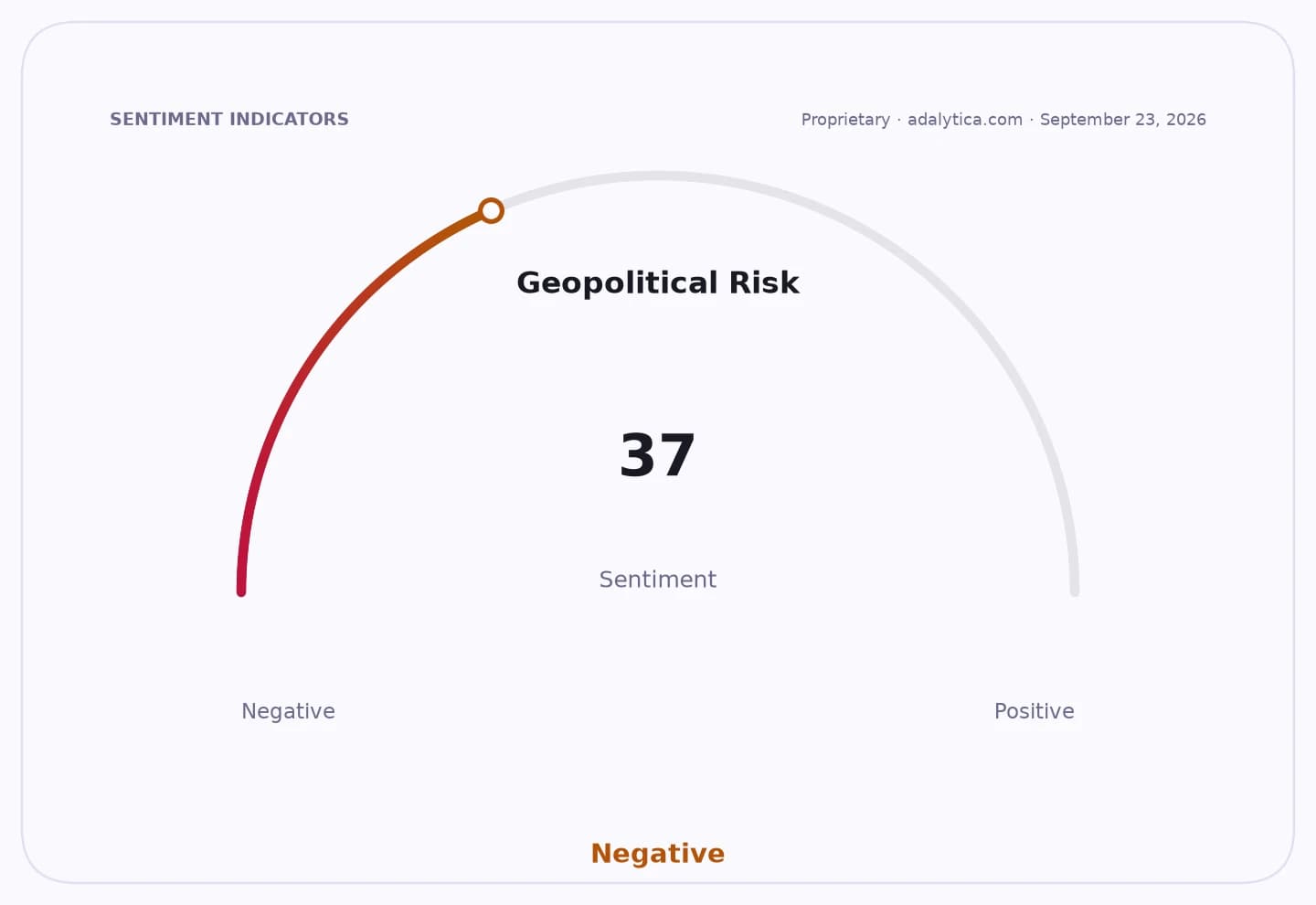
Sentiment IndicatorsⓘProprietary · adalytica.com · October 18, 2026
This is a snapshot — live sentiment, awareness and momentum for 130+ markets update continuously in the dashboard.Open AlphaPulse
The issue matters because diplomacy on the Korean Peninsula is never just about rhetoric. It affects sanctions enforcement, military risk, energy security and South Korea’s room to maneuver between the United States, Russia and North Korea. When a sensitive prisoner transfer becomes a public dispute, it narrows the space for quiet bargaining — exactly the opposite of what Seoul needs if it wants to lower tensions and preserve optionality.
At a CSIS seminar, Sidney Seiler, a senior adviser at the Center for Strategic and International Studies, said Lee is trying to remove obstacles to renewed dialogue with North Korea, and that the Ukrainian announcement had undercut that approach. Victor Cha, who heads CSIS’s Korea Chair, said South Korea is thinking not just about Ukraine policy but also about eventual economic cooperation with Russia, including energy diversification. He argued that the public spat is “not a good signal” and urged a quieter resolution through back-channel talks.
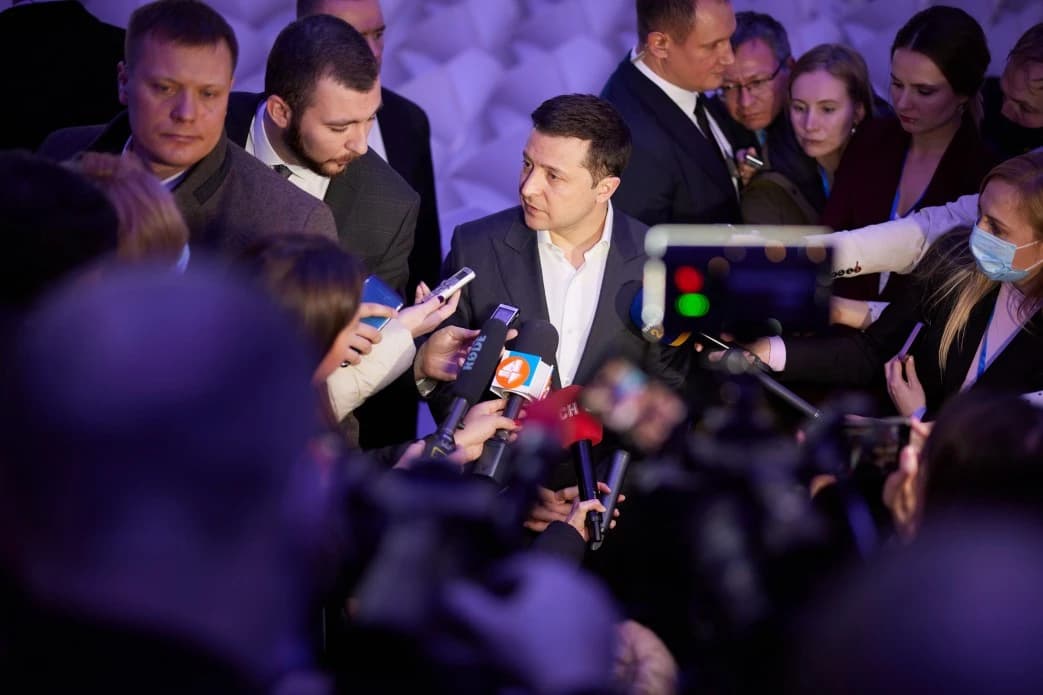
The sensitivity is easy to understand. Ukraine said President Volodymyr Zelenskiy had announced at the United Nations that it had handed over two North Korean prisoners taken while fighting for Russia. Seoul said the disclosure violated an agreement not to publicize the repatriation and demanded an apology. Kyiv denied that there had been any such confidential deal.
What makes this especially delicate is that North Korean soldiers are not ordinary defectors in the eyes of Pyongyang. They are state symbols. Publicly revealing their transfer can be read in North Korea as humiliation, raising the odds that Kim Jong Un responds in a way that hardens his position rather than softening it.
For investors, the immediate question is not whether this changes earnings next quarter. It is whether a small diplomatic rupture becomes another reason the region stays unstable. Prolonged friction between North Korea and South Korea tends to keep the Korean won under pressure, support safe-haven demand, and maintain a geopolitical discount on South Korean assets. The won has been hovering around 1,330 per dollar, while the iShares MSCI South Korea ETF, EWY, has fallen sharply to about $150 from a recent peak above $180, a reminder that sentiment can shift quickly when geopolitical risk rises.
The bigger backdrop is that North Korea is not easing the pressure. It has recently unveiled a new intercontinental ballistic missile and reaffirmed nuclear weapons as central to its security doctrine, while also rejecting South Korean aid overtures. That leaves little margin for error. If Seoul wants to reduce the risk of escalation, it needs room to negotiate — with Pyongyang, with Washington and, eventually, with Moscow.
That is why the prisoner issue matters beyond the headlines. It may look like a procedural dispute over a single transfer, but it sits inside a much larger strategic puzzle: how South Korea manages deterrence without foreclosing diplomacy, and how it keeps economic and energy options open without weakening its alliances. For long-term investors, the best takeaway is to treat this as a reminder that geopolitics around the Korean Peninsula remains a live risk to Korean equities, the won and regional sentiment — and to keep South Korea exposure diversified and sized for volatility.
| Entity | Gains | Losses |
|---|---|---|
| South Korea hawks | ▲Deterrence focus | ▼Diplomatic flexibility |
| North Korea | ▲Propaganda leverage | ▼Room for dialogue |
| Ukraine | ▲Pressure on Russia’s ally | ▼Tense ties with Seoul |
| Korean asset bulls | ▲Little in the near term | ▼Geopolitical risk premium |