South Korea is finally about to erase the last public debt left from the 1997 Asian financial crisis, a symbolic cleanup that also removes a lingering fiscal overhang and underscores the country’s much stronger balance sheet three decades on.
South Korea to repay final crisis-era public debt
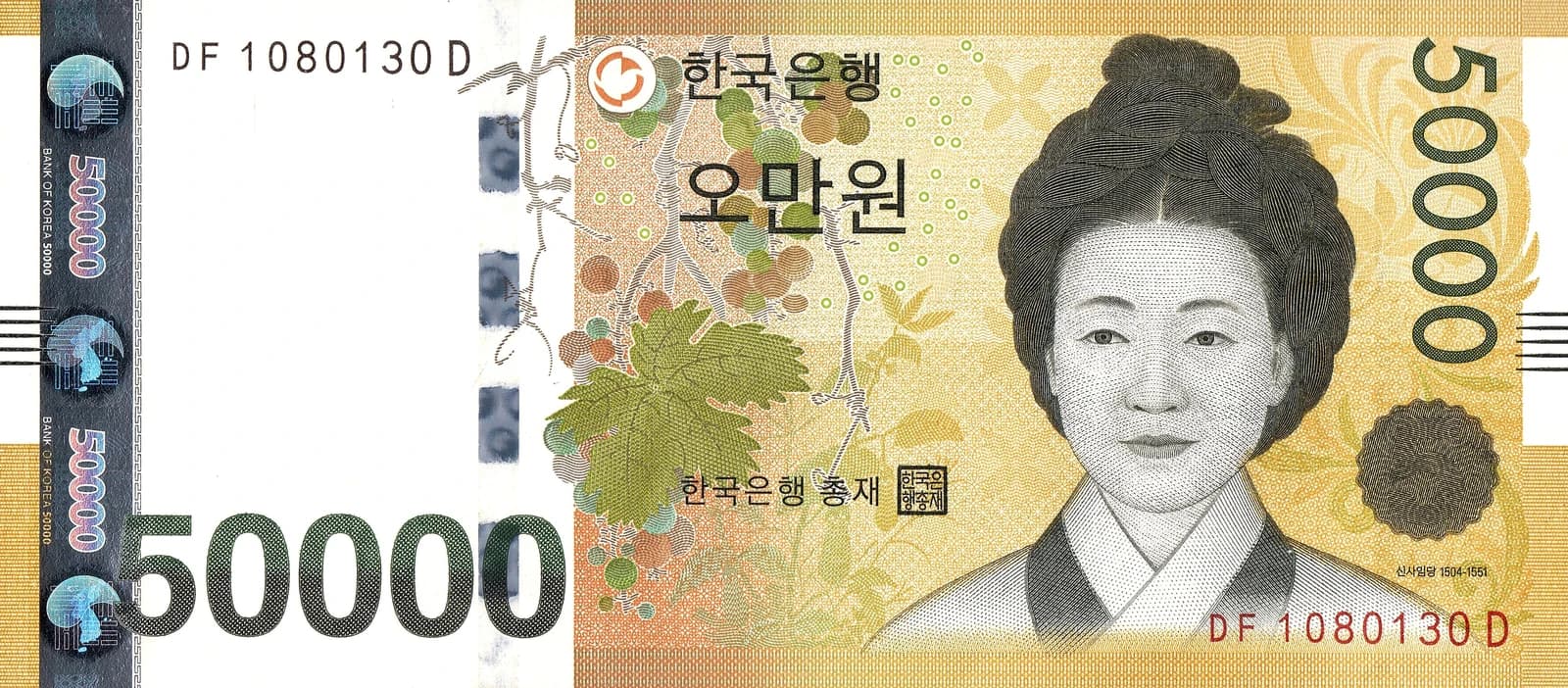
The government plans to repay the remaining 7.92 trillion won, or about $5.8 billion, next year, ending a 25-year repayment process that began in 2003. President Lee Jae Myung framed the payoff as a national milestone, saying the country had “reached the finish line” after “one of the country’s most difficult moments.”
Sentiment IndicatorsⓘProprietary · adalytica.com · September 3, 2026
This is a snapshot — live sentiment, awareness and momentum for 130+ markets update continuously in the dashboard.Open AlphaPulse
That matters because the debt was more than bookkeeping. It represented crisis-era public funds used to rescue financial institutions and stabilize the banking system, and it has quietly constrained fiscal flexibility ever since. Clearing it removes one more relic of a trauma that still shapes Korea’s policy memory, and it does so at a time when investors are once again paying close attention to sovereign funding needs across Asia.
The repayment is also a statement about Korea’s economic resilience. The government has already scheduled 7.15 trillion won of repayment this year, and the Public Capital Redemption Fund is set to be dissolved at the end of 2027. Korea had originally planned to repay 97.2 trillion won in crisis debt, with recoveries and prior budgets bringing the burden steadily down over time. The final payment closes the loop on an episode that began with the IMF bailout, which was fully repaid in 2001, and ends a separate chapter tied to domestic bank rescues.
For investors, the immediate financial impact is limited, but the signal is important. A government that can retire crisis-era liabilities is a government with room to maneuver, especially if growth slows or new spending priorities emerge. It reinforces confidence in Korean sovereign credit, supports the case for the won over the medium term, and leaves more policy capacity for industrial strategy, defense, chipmaking and other capex-intensive sectors that remain central to the market’s long-term story.
The market backdrop is also notable. The iShares MSCI South Korea ETF, EWY, has recovered to around 179 after a volatile summer, while the won has weakened toward 1,355 per dollar. That mix tells you the market is still wrestling with Korea’s growth and currency outlook even as the sovereign cleans up old obligations. In that setting, the debt payoff is not a trading catalyst by itself, but it is another reason to treat Korea as a structurally more stable investment destination than it was after the crisis.
The bigger narrative is straightforward: Korea is not just commemorating the end of an old debt burden, it is formally closing the books on the 1997 crisis era. That kind of balance-sheet normalization rarely grabs headlines, but it matters for how global capital prices a country — and Korea’s ability to fund its next decade of growth without dragging its last decade of pain behind it.
| Entity | Gains | Losses |
|---|---|---|
| South Korea government | ▲Fiscal flexibility | ▼Legacy debt burden |
| Korean sovereign credit | ▲Stronger credibility | ▼Crisis-era overhang |
| EWY / Korea bulls | ▲Confidence in stability | ▼Not a direct catalyst for outsized gains |
| Debt holders / crisis-era claimants | ▲Full repayment | ▼Continued waiting for payoff |