South Korea’s plan to channel a KRW 162 trillion windfall from the semiconductor boom into a new future response fund is drawing fire because a large share would lock the government into recurring spending long after the extra tax receipts fade. That matters for investors because it is not just a budget debate: it is a test of whether Seoul can turn a temporary revenue surge into durable growth without creating a future fiscal hole.
South Korea semiconductor windfall fund debate
At the center of the controversy is KRW 45 trillion earmarked for youth support, future industries, regional development and education. The National Assembly Budget Office says nearly half of that amount is tied to fixed expenditures that would have to be paid every year, even though the excess tax revenue is expected to last only through 2028 before falling to zero. In plain English, the government is being asked to convert a one-time bonus into permanent obligations.
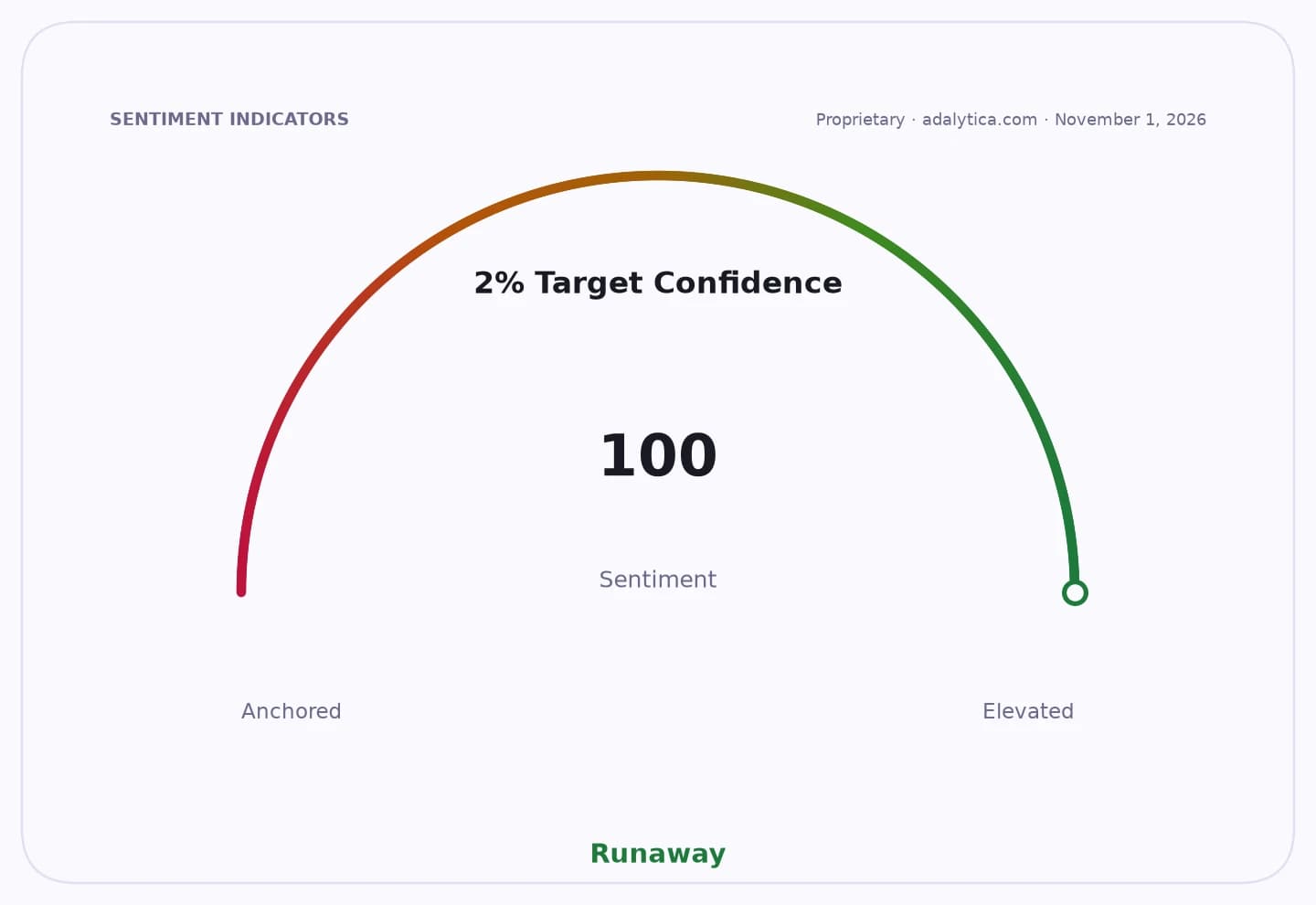
Sentiment Indicators
That is the wrong shape for a windfall, and markets know it. Investors care about fiscal discipline because it affects sovereign credit risk, bond supply and the broader policy space available when growth slows. If Korea spends temporary semiconductor-related revenue on programs that require continuous funding, it could eventually need either higher taxes or more borrowing to keep them going. That would weaken the value of the original windfall and could complicate the country’s fiscal outlook just as the economy needs flexibility.
The Bank of Korea governor has already flagged the same concern, warning that continuous expenditures funded by temporary resources deserve close monitoring for sustainability. That makes this more than a political squabble. It is a macro question about whether Korea is managing a rare cyclical upswing in a way that supports long-term productivity, or whether it is simply pre-allocating future budgets before the revenue stream is proven durable.
The comparison with Ireland and Norway is telling. Both countries treated windfall revenues as something to preserve, not spend immediately. Ireland ring-fenced its tax windfall for a future crisis, while Norway invests oil profits abroad and limits annual spending from the fund. Those models exist for a reason: they prevent governments from mistaking a cyclical boom for a permanent income stream.
Another sticking point is a clause that would let the government spend up to 30% more on each project without parliamentary approval. For investors, that raises a familiar governance issue. Bigger funds are not automatically better funds. What matters is whether the rules around them are tight enough to prevent slippage, waste and politically convenient spending.
For now, the fund is still just a proposal, and the real fight is ahead in the National Assembly. But the market takeaway is clear: Korea’s semiconductor windfall could strengthen the country’s long-term balance sheet if it is saved or invested prudently. If it is used to fund permanent commitments too early, the one-off bonus may look far less like a blessing and more like a future liability. Long-term investors should watch not only what gets funded, but how strictly the fund is governed.
| Entity | Gains | Losses |
|---|---|---|
| South Korea government | ▲More policy room | ▼Risk of future fiscal pressure |
| Semiconductor sector windfall | ▲Public investment narrative | ▼Windfall savings if overspent |
| Households / taxpayers | ▲Potential youth and regional support | ▼Possible future tax burden |
| Bondholders / fiscal hawks | ▲Better if funds are restrained | ▼Worse if spending expands unchecked |