South Korea’s stock market is surging again, but the rally is colliding with a harder reality for households: borrowing costs are climbing and consumer sentiment has now fallen for a second straight month.
South Korea Stocks Rally as Borrowing Costs Rise
The KOSPI’s 5% jump and the triggering of a “buying sidecar” show just how violent the rebound in Korean equities has become, after weeks of sharp volatility and forced selling. For investors, that matters because it signals a classic liquidity-driven inflection point: once momentum and policy support meet a market that has already been punished, upside can accelerate fast. But the domestic economy is not joining the party at the same speed.
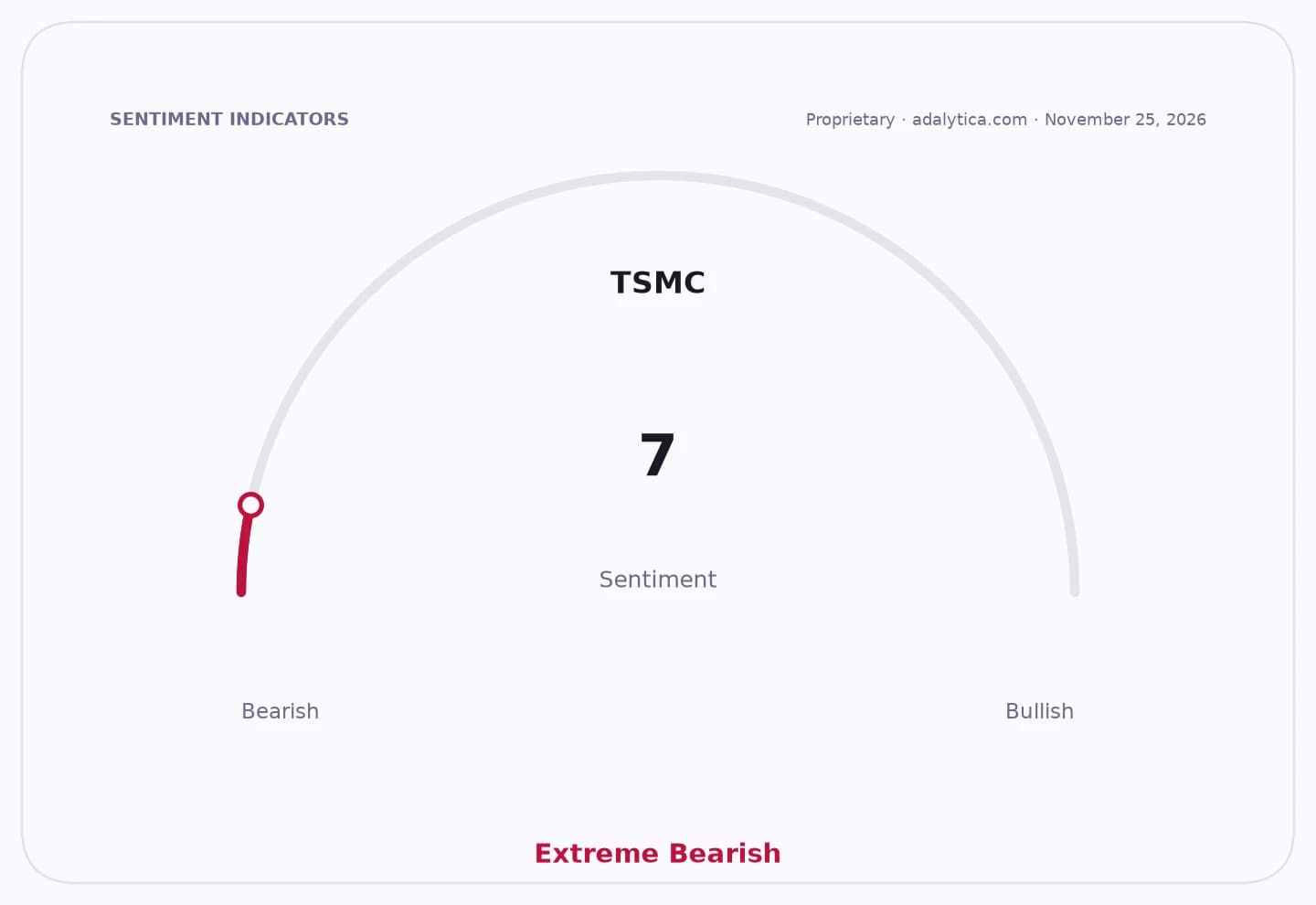
Sentiment Indicators
The contrast is the story. Korean households are feeling the pinch from higher loan rates even as risk assets rip higher, and that divergence suggests the market move is being driven less by a sudden improvement in underlying demand than by positioning, policy expectations and a rush back into beaten-down names. Consumer sentiment falling for two consecutive months is a warning that the real economy remains under strain, which matters for earnings in retail, banks, autos and other domestic cyclicals.
That makes the KOSPI rally more than a simple one-day pop. It points to a market that is repricing faster than the economy, creating opportunity for investors willing to separate momentum from fundamentals. Exchange-traded exposure such as the iShares MSCI South Korea ETF has already reflected that volatility, with technical indicators showing the fund rebounding from oversold levels even as the broader trend remains fragile. In other words, the tape is turning before the macro data does.
There is also a policy angle investors should not ignore. When equities move this sharply, authorities often tighten trading rules or jawbone speculation, while financial institutions face a tougher balancing act between lending growth and higher rates. That is especially relevant in Korea, where household leverage and rate sensitivity are central to consumption and bank asset quality.
The trade from here is not to chase every headline, but to own the beneficiaries of renewed market liquidity and policy support while staying cautious on consumer-facing names until sentiment stabilizes. For now, Korea is offering a familiar but asymmetric setup: a powerful equity rebound on one side, and a still-fragile domestic economy on the other.
| Entity | Gains | Losses |
|---|---|---|
| KOSPI bulls | ▲Sharp rebound | ▼Volatility risk |
| Korean exporters | ▲Better risk appetite | ▼Stronger won pressure |
| Banks and lenders | ▲Higher loan yields | ▼Weaker household demand |
| Consumers | ▲None | ▼Higher borrowing costs |