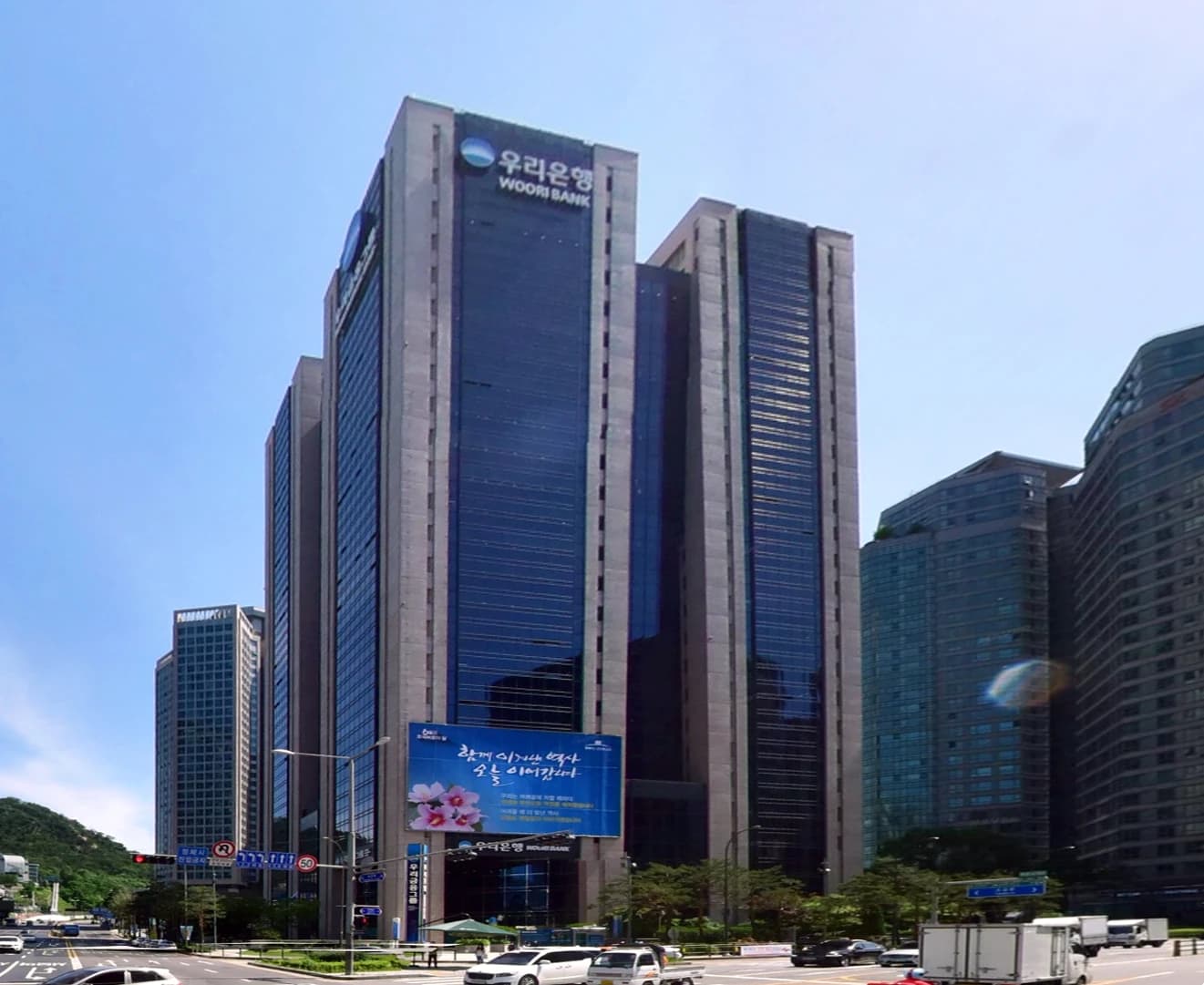
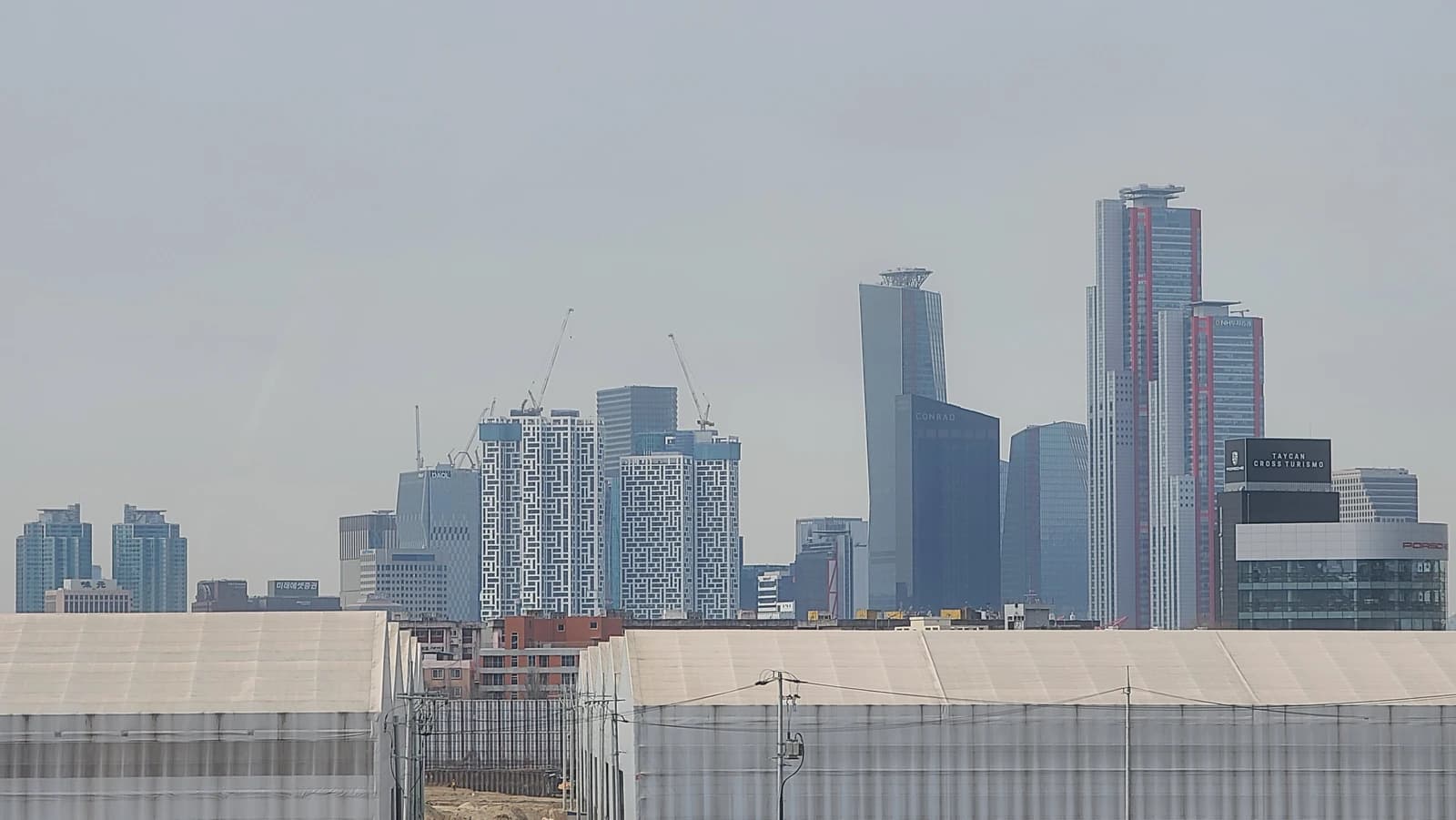
House prices in South Korea’s capital are still expected to rise over the next year, but sentiment has been notably restrained by weakness in Gangnam, the country’s most closely watched luxury district.
Seoul House Prices Seen Rising as Gangnam Weakens
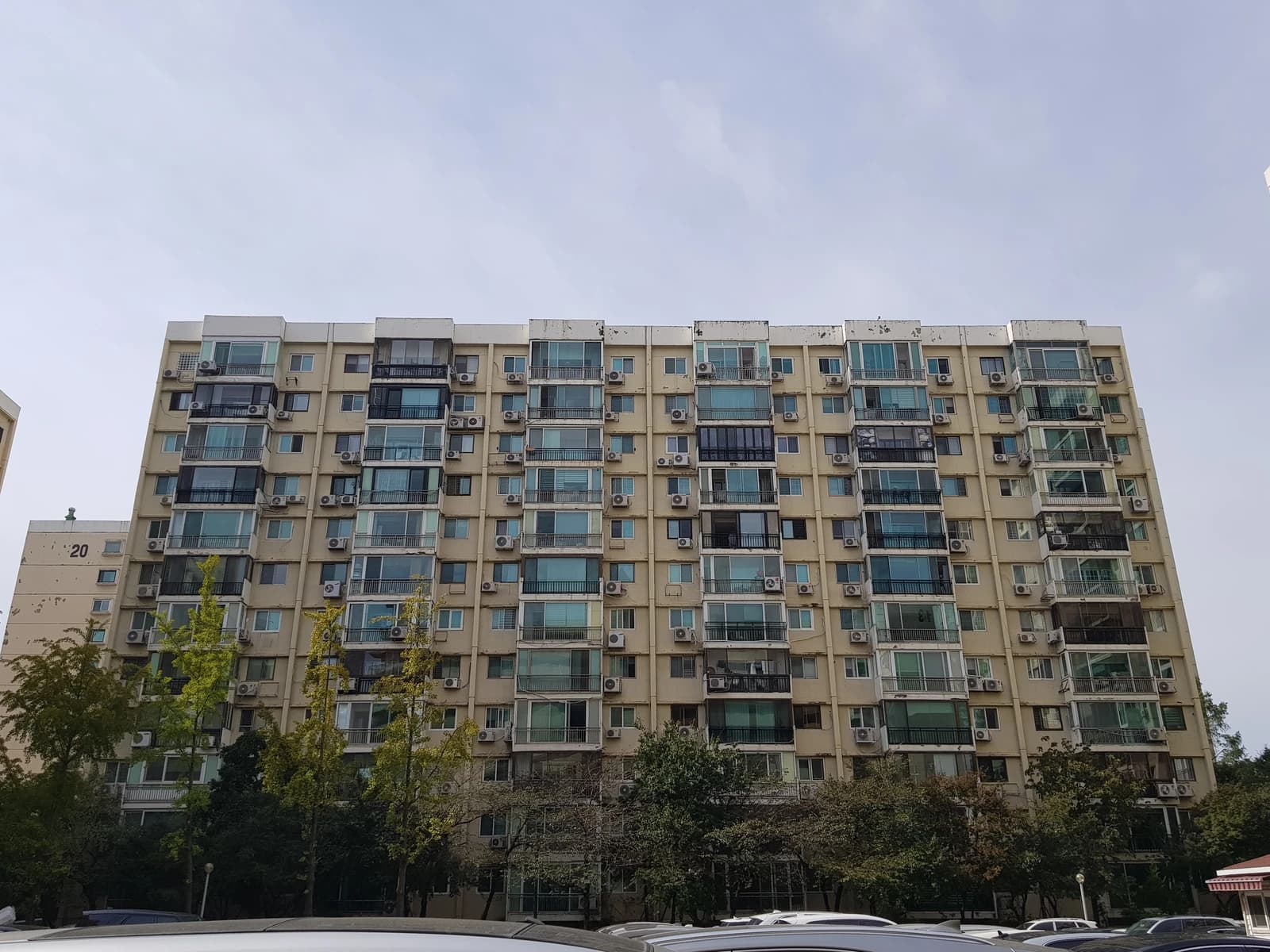
That matters because Seoul housing remains a key barometer for household wealth, mortgage demand and the broader credit cycle. Even a modest expectation of higher prices can support buying interest and refinancing activity, while a softening in Gangnam — often the market’s price leader — tends to weigh on confidence across the city.
Sentiment Indicators
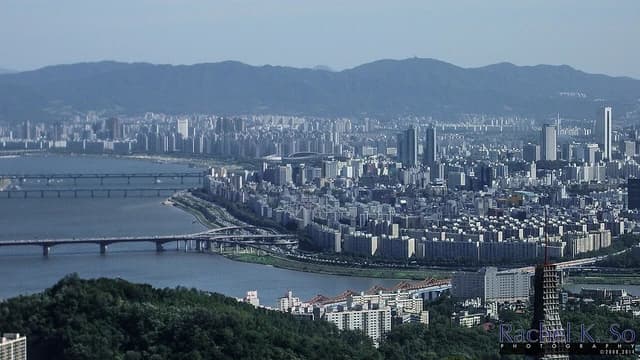
The latest reading suggests the market is not in a broad-based boom, but neither is it pricing in a correction. The forecast points to a 0.22% rise in the house-price index in the next month to 336.5 from 335.8 in September, extending a pattern of near-flat moves after a strong run-up earlier in the cycle. The series shows prices climbed sharply from 2023 through 2025, with the index reaching 337.2 in July before easing slightly.
Gangnam’s weakness is important because the district often sets the tone for the rest of Seoul. When luxury apartments there soften, it can curb speculative buying and slow the pace at which price gains spread to surrounding areas. That dynamic also matters for policymakers, who are trying to balance financial stability against the political sensitivity of housing affordability in a market where taxes have already become more burdensome for homeowners after previous price gains.
For investors, the key implication is that the Korean housing market is still resilient enough to keep supporting construction, mortgage lenders and selected property-related businesses, but not strong enough to justify an aggressive pro-cyclical bet. The homebuilder ETFs ITB and XHB have recovered from their spring lows, while the broader real estate fund VNQ has also stabilized, mirroring an environment where rates have eased from their highs but housing momentum remains uneven. That leaves room for differentiated performance rather than a sector-wide rerating.
The bull case is that limited supply in Seoul and still-firm demand can keep prices edging higher, particularly if borrowing costs become more manageable. The bear case is that Gangnam’s softness foreshadows a wider loss of momentum, especially if higher holding costs and stretched affordability continue to cap transaction volumes.
For now, the story is one of a market that expects higher prices but with growing caution at the top end. The next test will be whether weakness in Gangnam remains contained or starts to broaden into a wider Seoul slowdown.
| Entity | Gains | Losses |
|---|---|---|
| Seoul homeowners | ▲Higher expected asset values | ▼Rising tax burden |
| Gangnam sellers | ▲Potential liquidity if prices stabilize | ▼Weaker pricing power |
| Homebuilders | ▲Steadier demand outlook | ▼Less room for rapid price gains |
| Buyers/renters | ▲No outright boom yet | ▼Affordability remains strained |