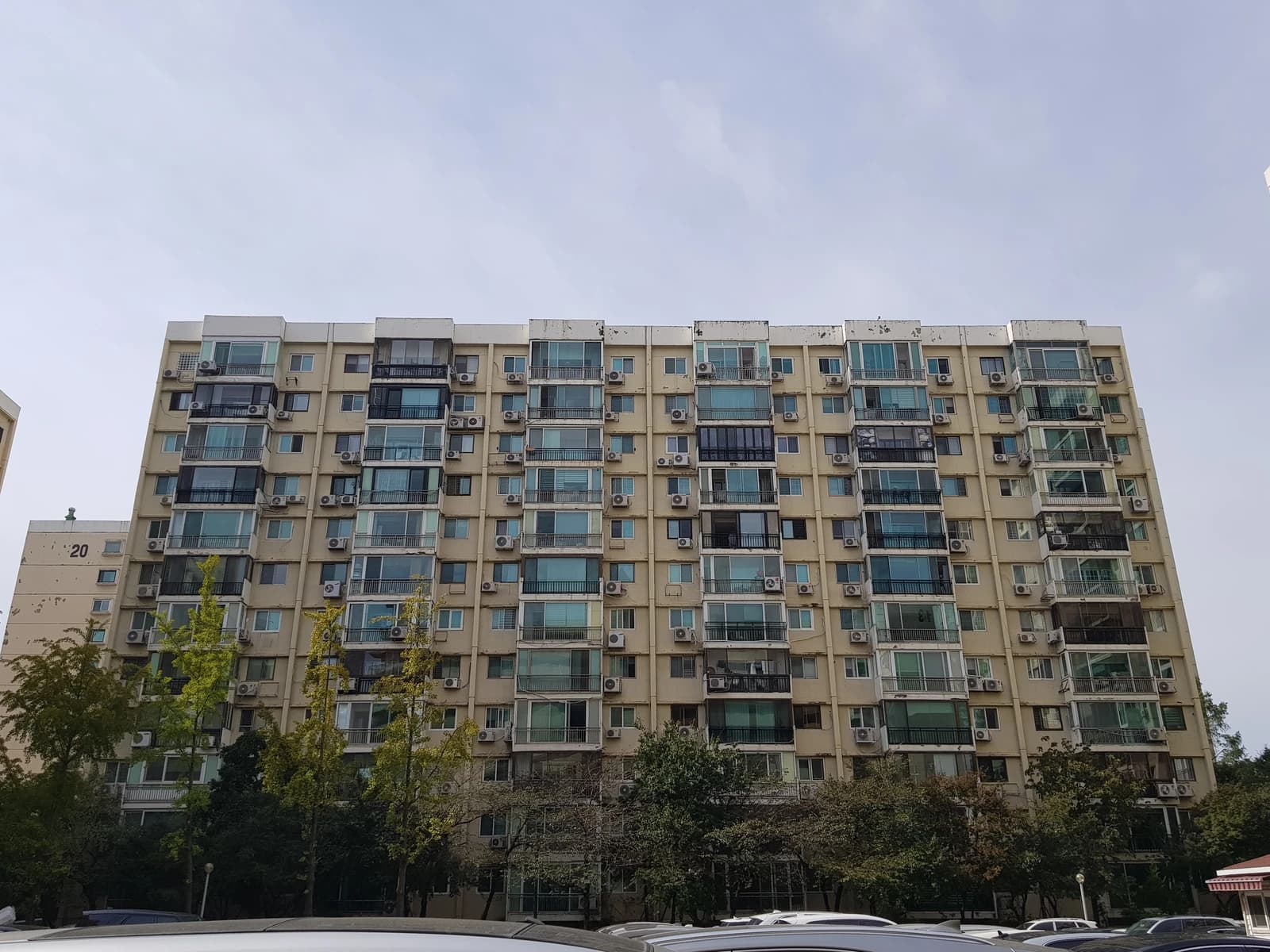
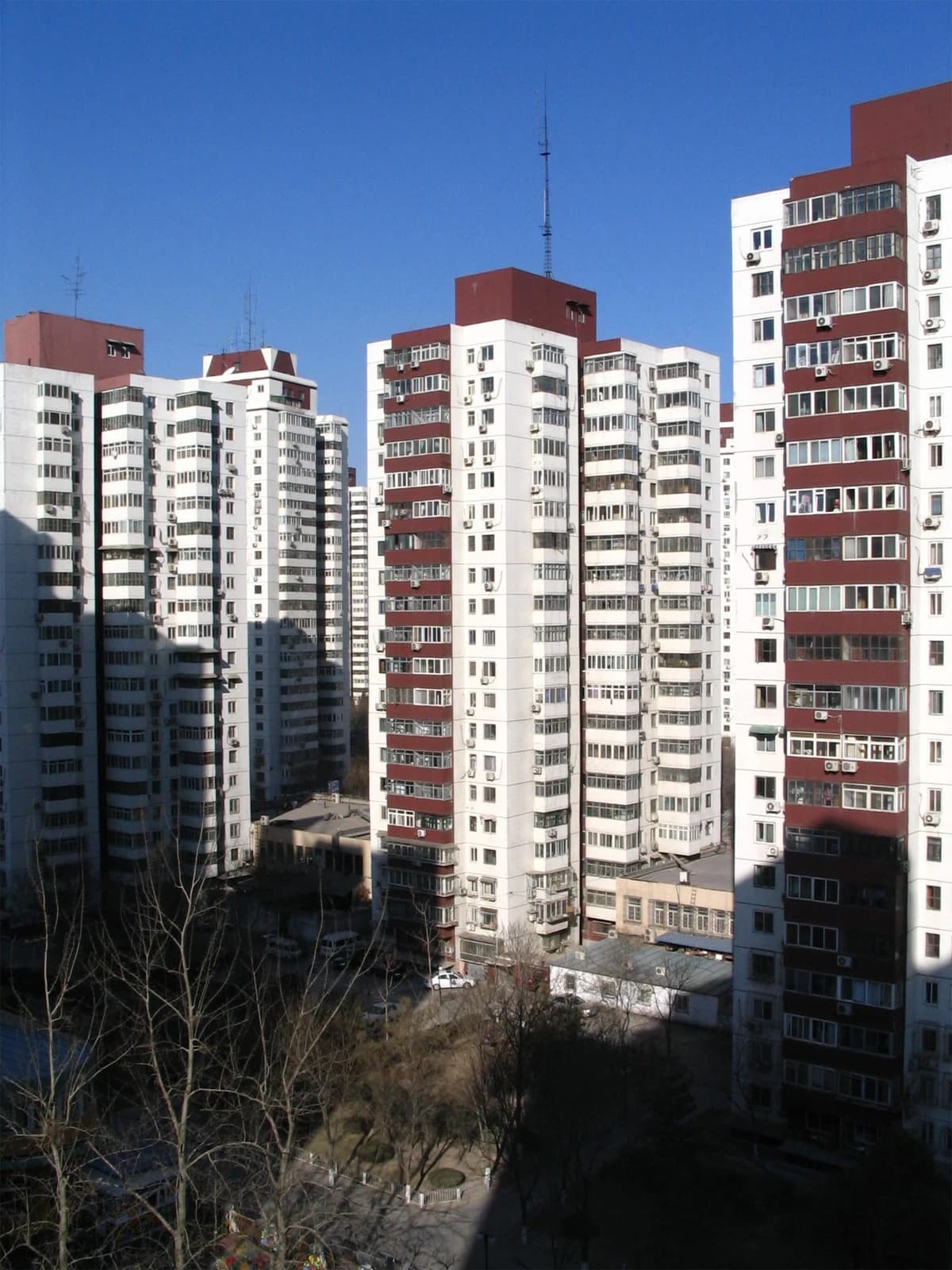
Jinhua’s latest housing data shows the kind of slow, grinding decline that matters far more than any single fire-sale anecdote: new-home prices in the city’s urban area fell 0.4% in October from a month earlier and were down 4.1% from a year ago, while existing-home prices slipped 0.1% on the month and 4.6% year on year.
Jinhua home prices fall in October
For investors, that is important because China’s property market is still one of the clearest gauges of domestic demand, household wealth and local government finances. When prices keep edging lower, as they have in Jinhua and many smaller Chinese cities, it reinforces a deflationary drag on consumption and keeps pressure on developers, builders and the broader supply chain.
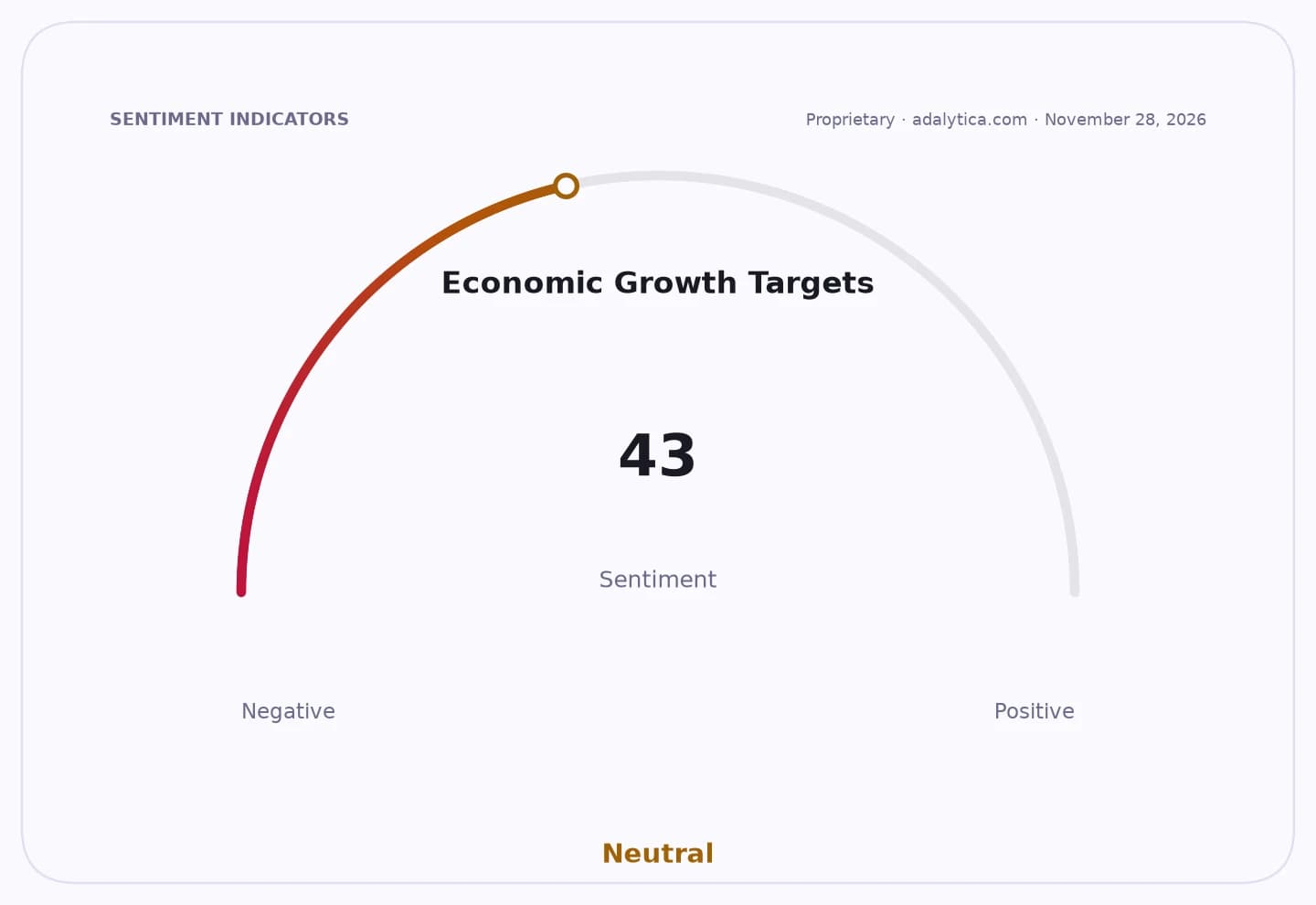
Sentiment Indicators
The numbers also give context to the anecdotal reports circulating online that some neighborhoods once priced above 10,000 yuan per square meter are now changing hands around 7,000 yuan. That kind of drop may sound local, but it captures a national pattern: families are reluctant buyers when they expect cheaper prices later, and sellers often have to cut deeper to close a deal.
The official data show the weakness is not a one-month blip. From January through October, Jinhua’s average new-home price index was down 4.3% from a year earlier, while the secondary market fell 5.6%. In other words, the pressure is broad-based, not just a temporary shakeout in one district or one project.
That matters for anyone thinking about the long game in Chinese real estate. A falling market can create bargains for patient buyers with stable incomes and no need to flip quickly. But for most households, a price decline is only a bargain if jobs, financing and future resale value are secure. In a market still searching for a floor, those are big assumptions.
The broader takeaway is that China’s housing correction remains uneven but persistent. Cities like Jinhua may not move global markets on their own, yet they help explain why policymakers continue to support the sector and why investors remain cautious on anything tied to home sales, land revenue and construction activity. For long-term investors, the message is simple: watch for stabilization in prices, not just headlines about cheap apartments.
| Entity | Gains | Losses |
|---|---|---|
| Bargain hunters | ▲Lower entry prices | ▼Fewer quick-fix deals |
| Existing homeowners | ▲— | ▼Paper wealth erosion |
| Property developers | ▲Ability to clear inventory | ▼Pricing power |
| Local governments | ▲— | ▼Land-sale revenue pressure |