China’s housing market is still shrinking, but the pace of the decline eased in October, a sign that policy support is beginning to steady prices in a few big cities even as the broader property downturn keeps weighing on investment, construction and consumer confidence.
China Housing Prices Fall Slower in October
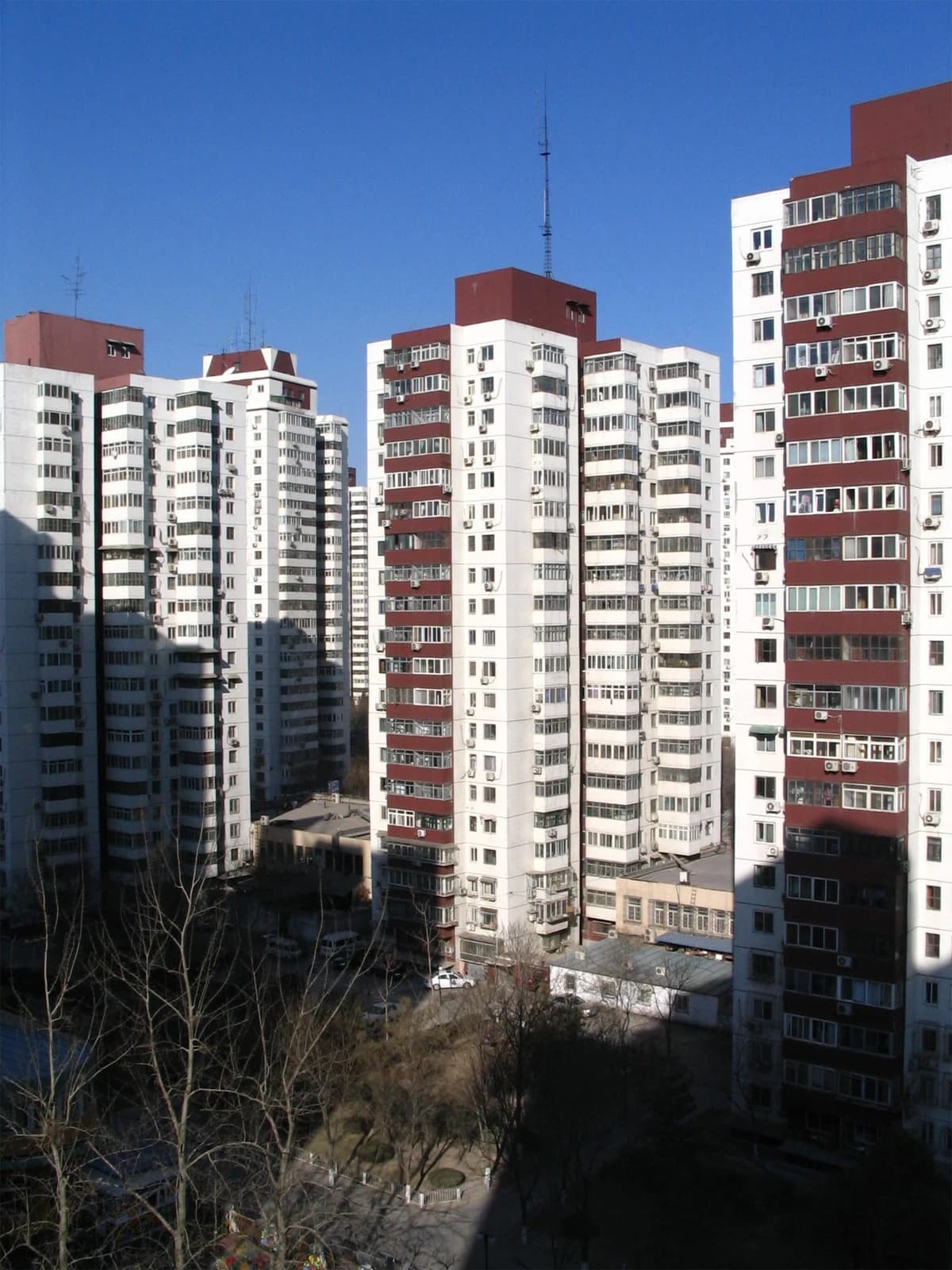
New-home prices in 70 major and mid-sized cities fell 2.4% from a year earlier, the mildest drop in nearly a year, according to Reuters calculations from official data. On a monthly basis, prices slipped 0.1%, unchanged from September, suggesting the market has stopped deteriorating rapidly even if it has not turned a corner.
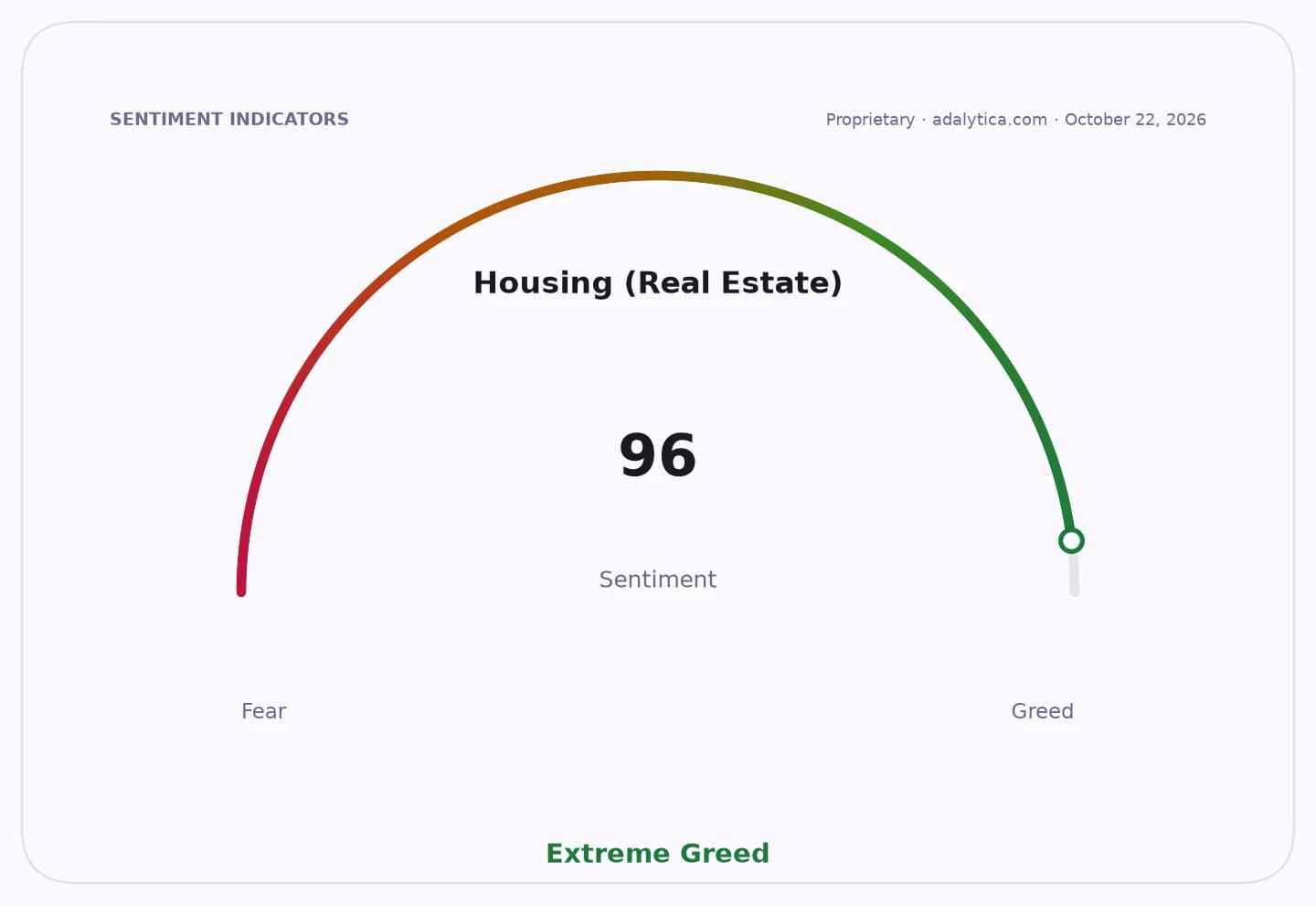
Sentiment Indicators
That matters because China’s property slump has been one of the biggest drags on the world’s second-largest economy. Real estate investment, sales and starts all fell more than 10% in the first 10 months of the year, underscoring how far the sector remains from a durable recovery. ING said property investment alone dropped 21.6% in the period, a decline that continues to starve developers of cash and leaves local governments under pressure as land-sale revenue weakens.
The price trend is improving only unevenly. ING said 21 of the 70 tracked cities posted flat or rising new-home prices from the previous month, while just 12 cities saw used-home prices stabilize or climb. Shanghai stood out as the only major city where both new and existing home prices rose on a monthly and annual basis, reinforcing the view that recovery is still concentrated in top-tier markets.
For investors, that split is the real story. A slower pace of price declines can help stop the erosion in household wealth, but it is not yet enough to revive transaction volumes or trigger a broad rebound in developer spending. That leaves the market highly selective: stronger coastal cities may see a gradual stabilization, while smaller cities remain stuck with excess inventory and weak demand.
The preference for completed homes over pre-sales is another warning sign that confidence remains fragile. Buyers are still paying for certainty after years of projects being delayed or unfinished, which keeps pressure on developers that rely on presales to fund construction. Beijing’s efforts to limit presales and support mortgages for eligible first-time buyers have helped at the margin, but they have not yet produced the kind of nationwide turnaround that would restore growth.
For equity investors, the message is to stay focused on beneficiaries of a stabilization, not a full recovery. Homebuilders with exposure to Shanghai and other tier-one cities, property managers, and firms tied to completed housing demand should fare better than developers dependent on smaller markets and aggressive land acquisition. The broader property complex remains a slow-burn restructuring story, not a cyclical rebound.
| Entity | Gains | Losses |
|---|---|---|
| Tier-one city developers | ▲Better pricing stability | ▼Limited nationwide rebound |
| Smaller-city developers | ▲Some policy support | ▼Persistent inventory pressure |
| Homebuyers of completed units | ▲More delivery certainty | ▼Less bargaining power |
| Local governments | ▲Slightly steadier markets | ▼Weak land-sale revenue |