China is tightening mortgage and development lending for homes sold before completion, a move that underscores how Beijing is trying to contain delivery risk in a sector that has been a drag on growth for more than five years.
China tightens off-plan mortgage and development lending

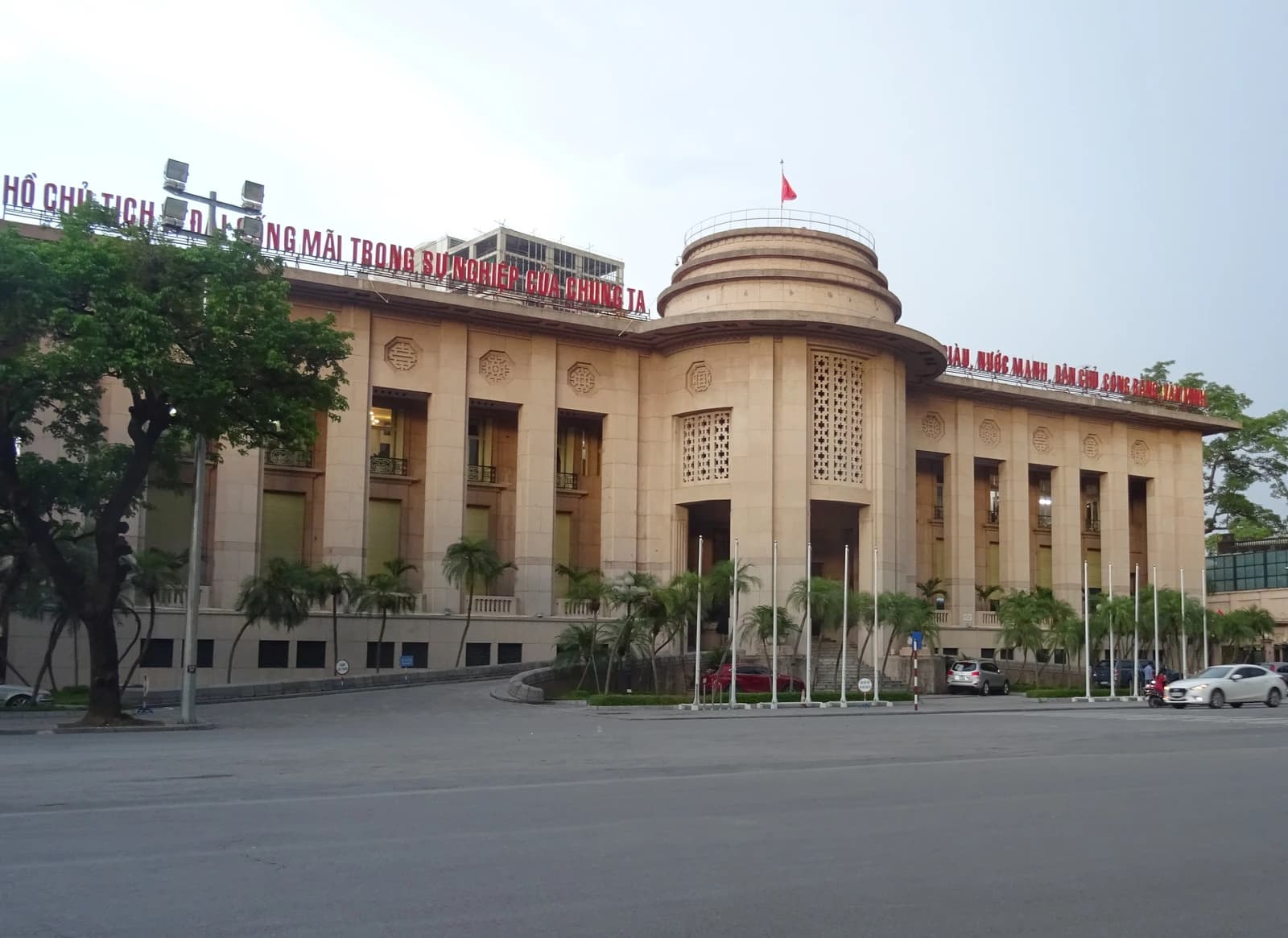
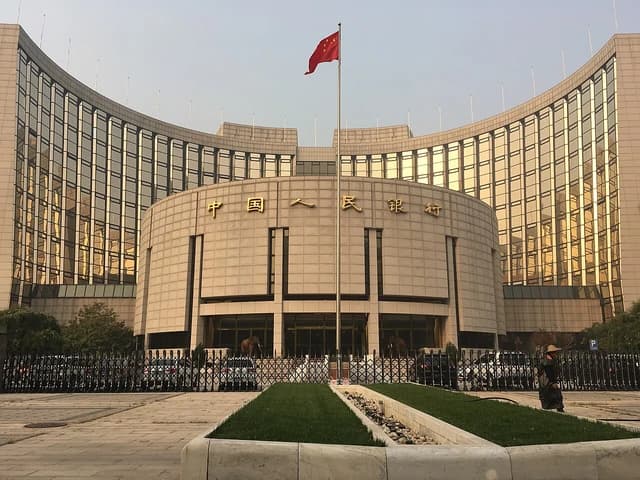
The new guidance, issued by the People’s Bank of China and the National Financial Regulatory Administration, pushes mortgage disbursement for off-plan homes until after a project is completed and registered, while also requiring stronger oversight of prepaid funds and stricter conditions for presales. For buyers, that is meant to reduce the chance of paying for homes that are delayed or never delivered; for the market, it raises the bar on funding models that have long depended on advance sales to finance construction.
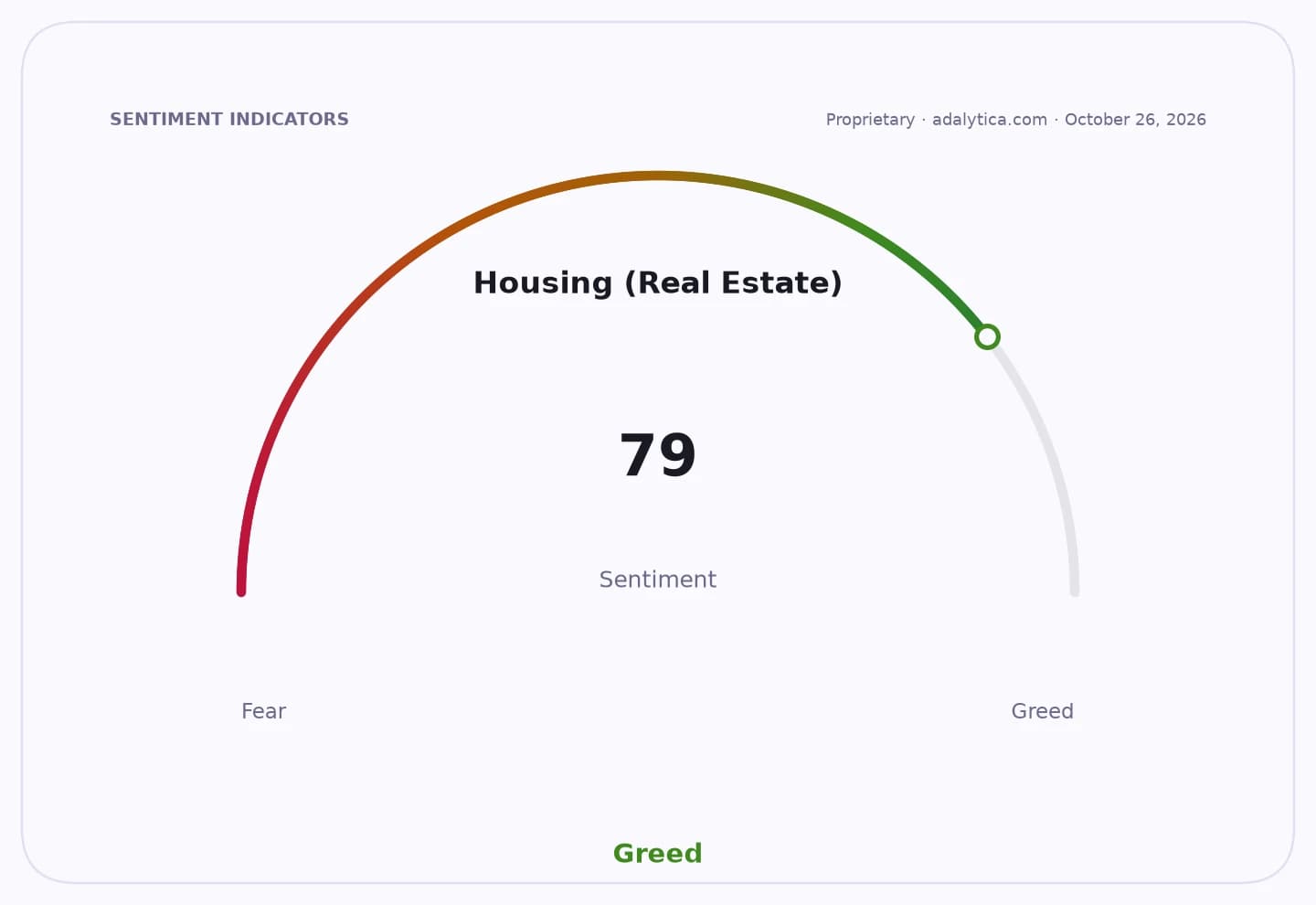
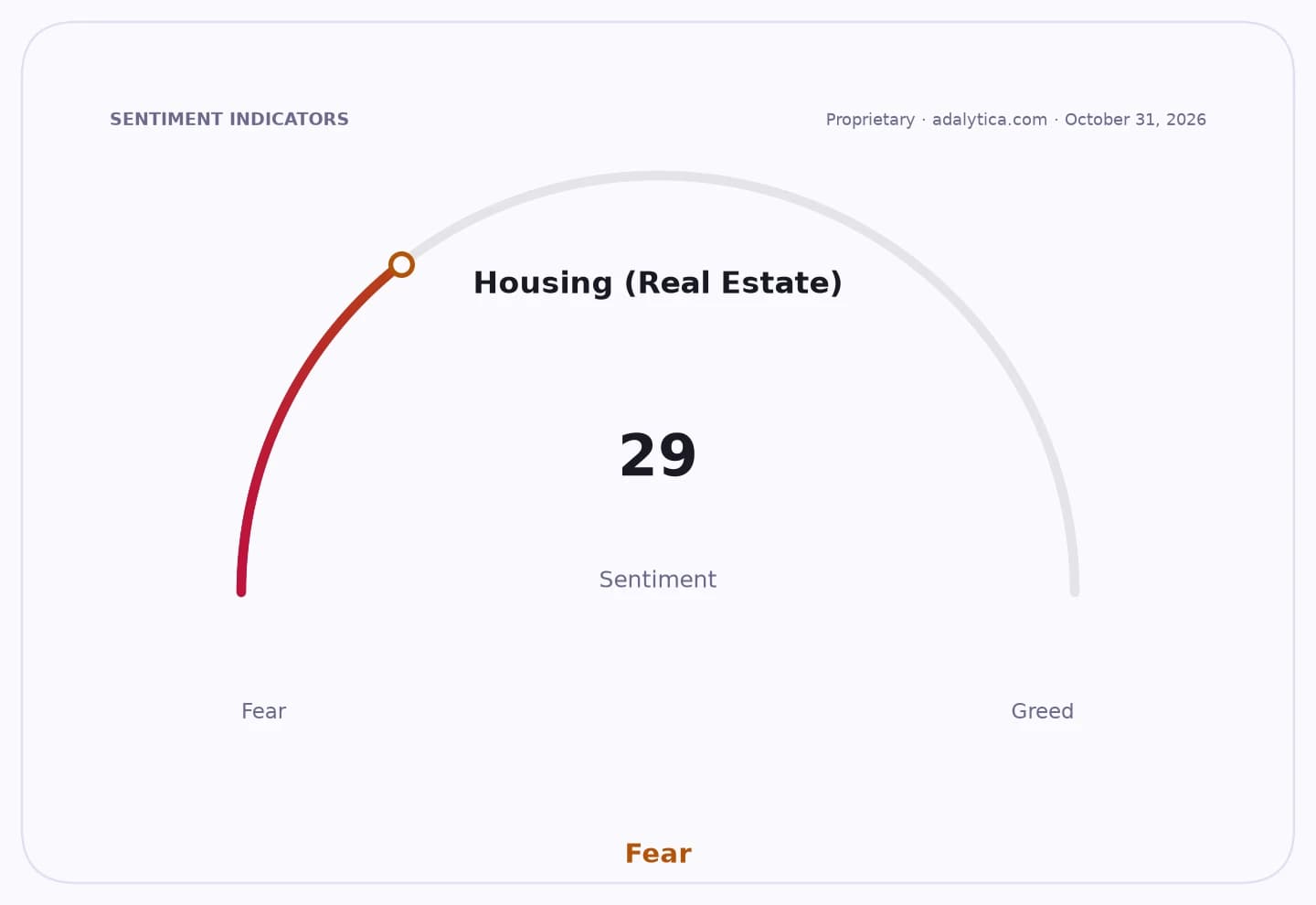
Sentiment Indicators
The rules also cap project-development loans at five years for off-plan projects, compared with seven years for completed new homes and commercial property. At the same time, the maximum tenor for individual mortgages is being extended from 30 years to 40 years, a shift that may support affordability but does little to change the broader fact that China’s housing slump is still pressuring household wealth, consumption and local finances.
The policy lands against a grim backdrop. Reuters has reported that China’s property downturn began with the government’s crackdown on excessive developer borrowing, which triggered a liquidity crisis across the industry. More than five years later, home prices are still falling, property investment is slumping and the sector has yet to show a durable recovery.
For investors, the changes cut both ways. They may improve transparency and reduce default and handover risk, which is positive for homebuyers and for banks trying to limit bad loans. But they also tighten a key source of financing for developers already under stress, likely keeping pressure on balance sheets, land sales and construction activity.
The policy could bolster confidence in completion of presold homes, but it also reinforces the message that Beijing is prioritizing delivery and financial stability over a quick rebound in property volumes. That matters because a weaker real-estate market continues to weigh on domestic demand, leaving China more dependent on external demand to sustain growth.
| Entity | Gains | Losses |
|---|---|---|
| Homebuyers | ▲Better delivery protection | ▼Less flexible mortgage timing |
| Banks | ▲Lower project-completion risk | ▼Slower loan disbursement |
| Developers | ▲Clearer rules | ▼Tighter funding and longer pressure |
| China economy | ▲Reduced housing dispute risk | ▼Continued property-sector drag |