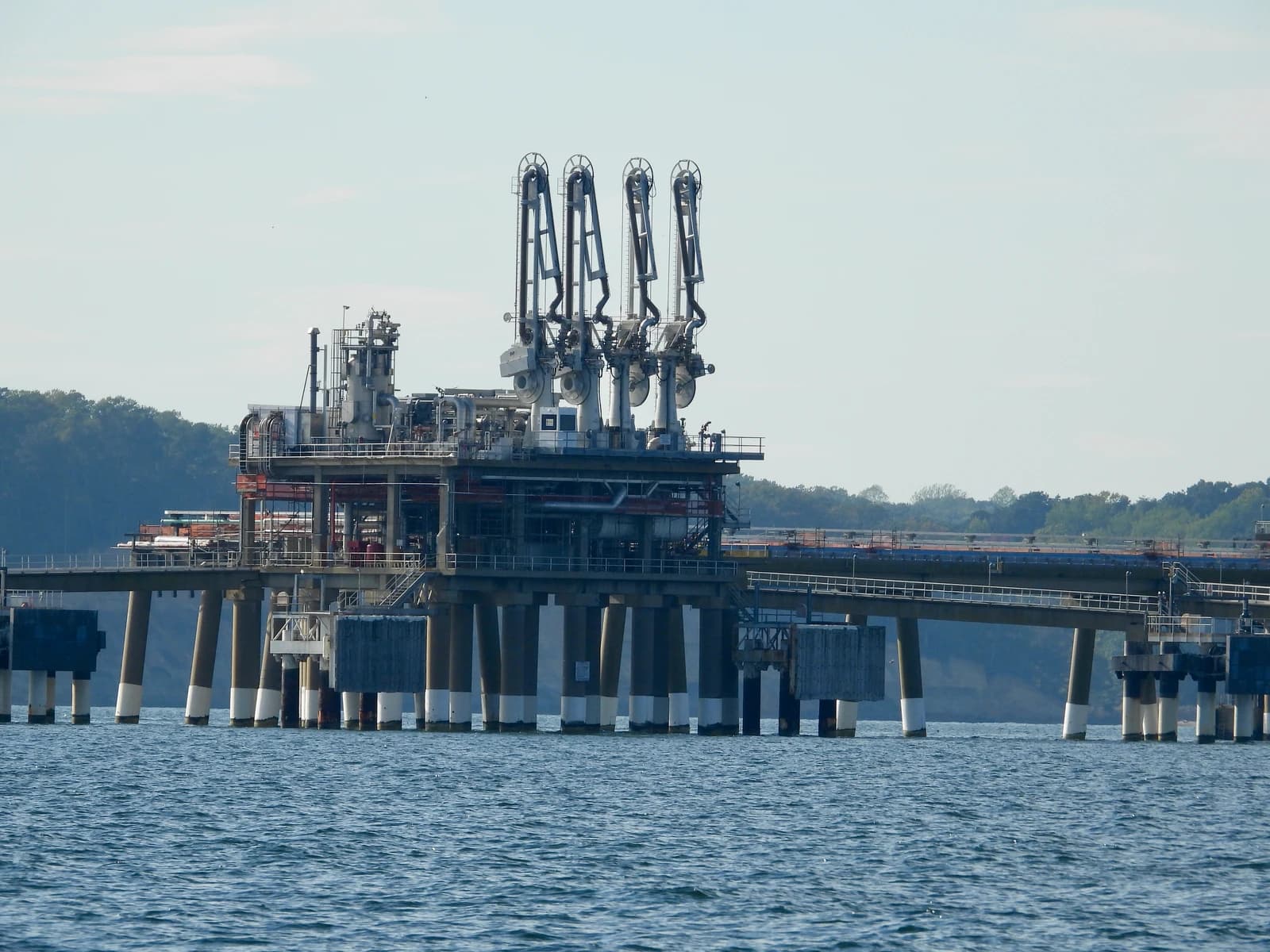
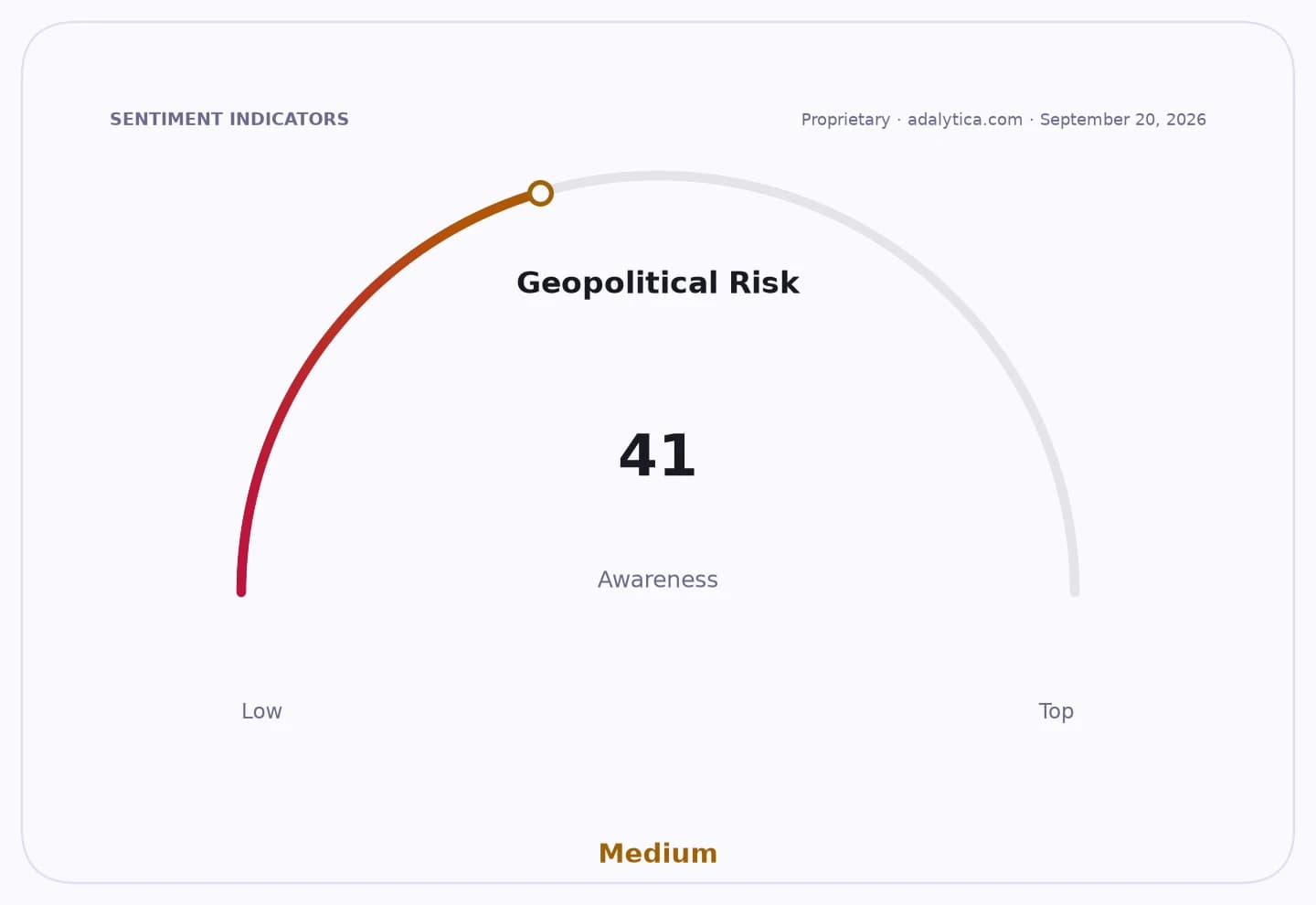
South Korea and the United States are discussing a possible $22.3 billion South Korean investment in a Texas gas-fired power project, a deal that would underscore how the artificial-intelligence buildout is reshaping energy infrastructure and cross-border capital flows.
South Korea US Texas Gas Project Talks
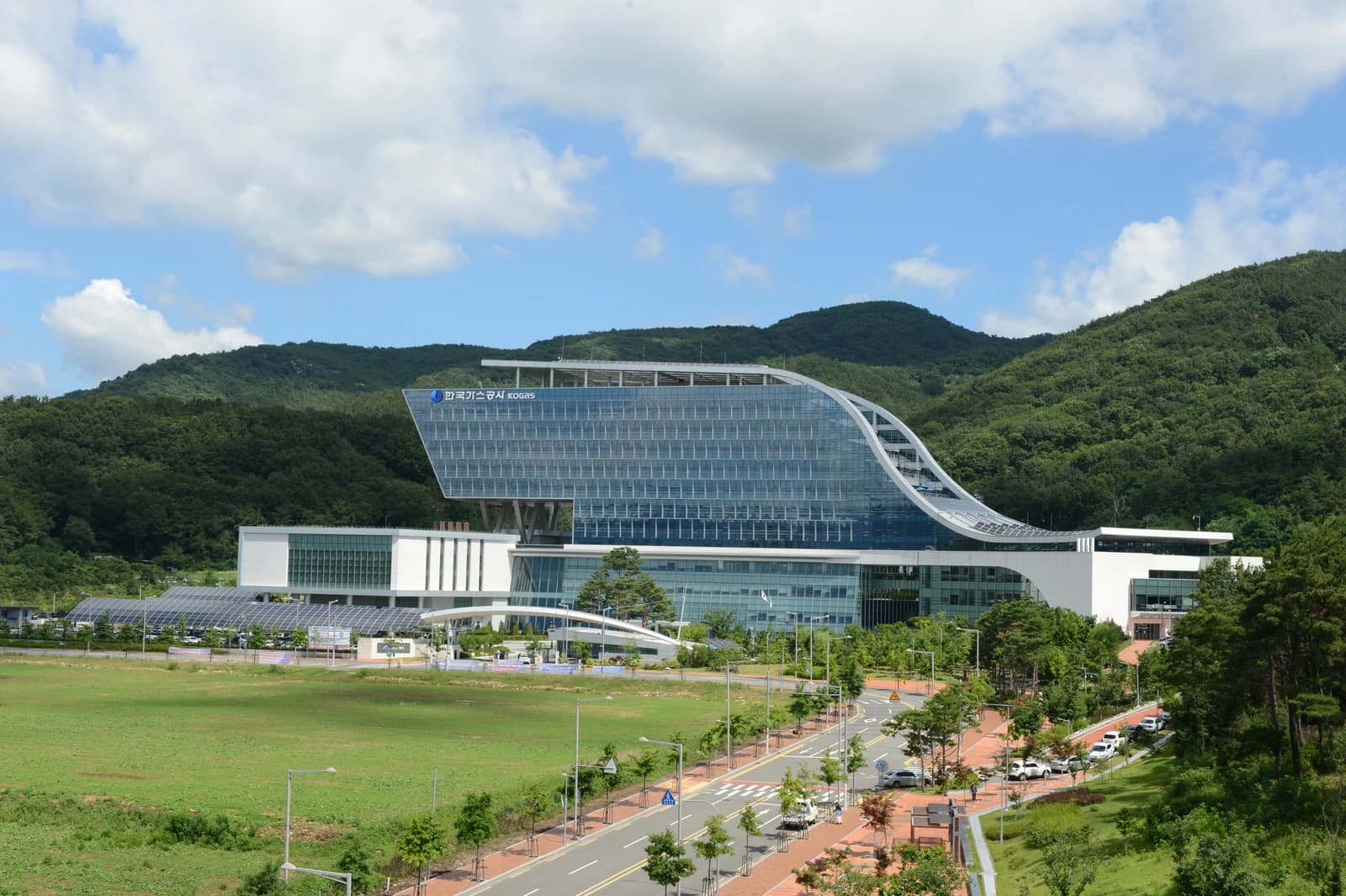
The project, planned for Ensign, Texas, would include a 6.3-gigawatt gas power plant aimed at meeting rising electricity demand from data centers. If finalized, it would be one of the largest energy investments tied to the AI boom and would also show how allies are using industrial policy and trade bargaining to steer capital into strategic US assets.
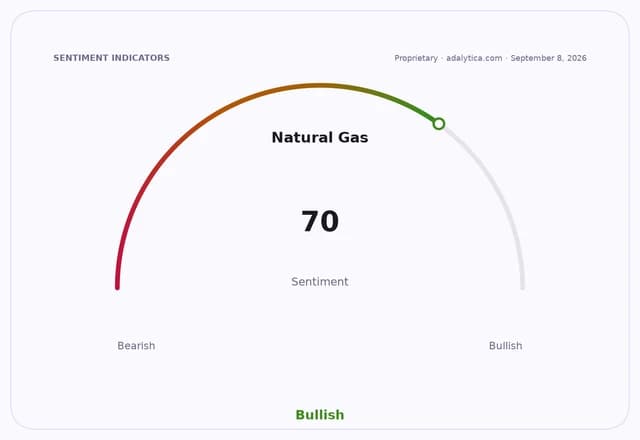
Sentiment IndicatorsⓘProprietary · adalytica.com · September 8, 2026
This is a snapshot — live sentiment, awareness and momentum for 130+ markets update continuously in the dashboard.Open AlphaPulse
The investment is being discussed under a trade agreement struck last year that committed Seoul to invest $350 billion in the United States in exchange for better US tariffs on South Korean goods. A $22.3 billion project would be a meaningful slice of that package, giving the accord a tangible energy and infrastructure component rather than leaving it as a broad political commitment.
That matters economically because power supply has become one of the main constraints on US AI expansion. Data centers are lifting electricity demand at a pace that is forcing utilities, pipeline operators and power producers to look for new generation and fuel supply. A large gas-fired plant in Texas would add flexible capacity at a time when the grid is being pulled by both industrial reshoring and digital infrastructure.
For investors, the project points to continued support for the gas value chain and for companies tied to generation, pipeline transport and LNG exports. Cheniere Energy, the biggest US LNG exporter, and Williams Companies, a major gas infrastructure operator, are already exposed to the same broad theme: stronger domestic and overseas gas demand as power markets reprice around AI-driven load growth. The United States Natural Gas Fund has also shown sharp swings, reflecting how sensitive gas-linked assets remain to changes in demand expectations and weather.
Natural gas prices have been volatile, with West Texas Intermediate crude trading near $91.75 a barrel in the latest forecast and the 10-year Treasury yield holding around 4.8%, a backdrop that keeps capital costs elevated for long-duration infrastructure. In that environment, a project backed by two governments could attract attention because it lowers financing uncertainty and potentially accelerates permitting and construction timelines.
Still, the deal is not done. South Korea’s industry ministry said some of the reported details were inaccurate and that talks with Washington were continuing, while also noting that Seoul has not decided to build a new nuclear plant in the US. That leaves open the possibility that the Texas project is part of a broader portfolio of investments Seoul is weighing, including LNG infrastructure in Alaska and nuclear power projects.
For markets, the key question is whether this becomes a one-off flagship project or the first visible deployment of South Korea’s broader $350 billion US investment pledge. If it moves forward, it would reinforce a narrative that energy security, AI data-center demand and allied industrial policy are converging into a new class of infrastructure spending, with natural gas likely to remain a central beneficiary over the next several years.
| Entity | Gains | Losses |
|---|---|---|
| South Korea | ▲Trade leverage, US market access | ▼Capital commitment risk |
| US gas developers | ▲Project funding, demand visibility | ▼Financing uncertainty if delayed |
| Natural gas producers/infrastructure firms | ▲Higher long-term demand | ▼Limited if project shifts to nuclear or LNG |
| Power consumers/data centers | ▲More supply stability | ▼Higher costs if delays persist |