A fire at a windmill in Lohara taluka has done more than scare laborers out of the fields; it has highlighted how vulnerable a soybean crop can be when a local accident strikes at the wrong moment, tightening supply just as oilseed markets are already firming.
Local Fire Highlights Soybean Supply Tightness
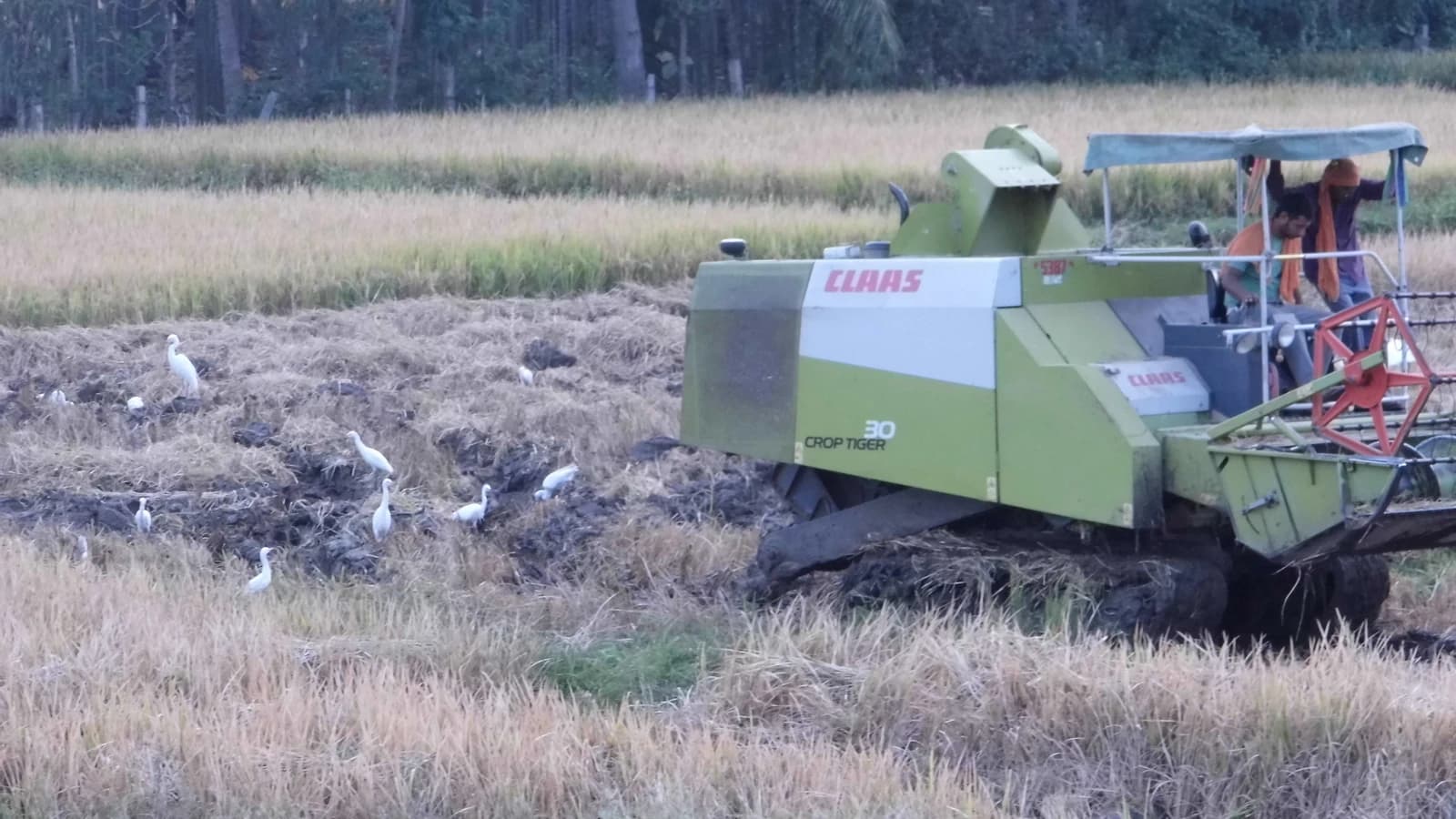
For farmers, the immediate damage is physical and financial. Women laborers fled the fields to save their lives, and the soybean crop in the affected area was damaged, cutting into yields and potentially forcing growers to absorb higher replanting and cleanup costs. In agricultural markets, these kinds of localized shocks matter because soybeans are a thin-margin business: even a modest hit to output can squeeze farm incomes and ripple through traders, processors and rural lenders.
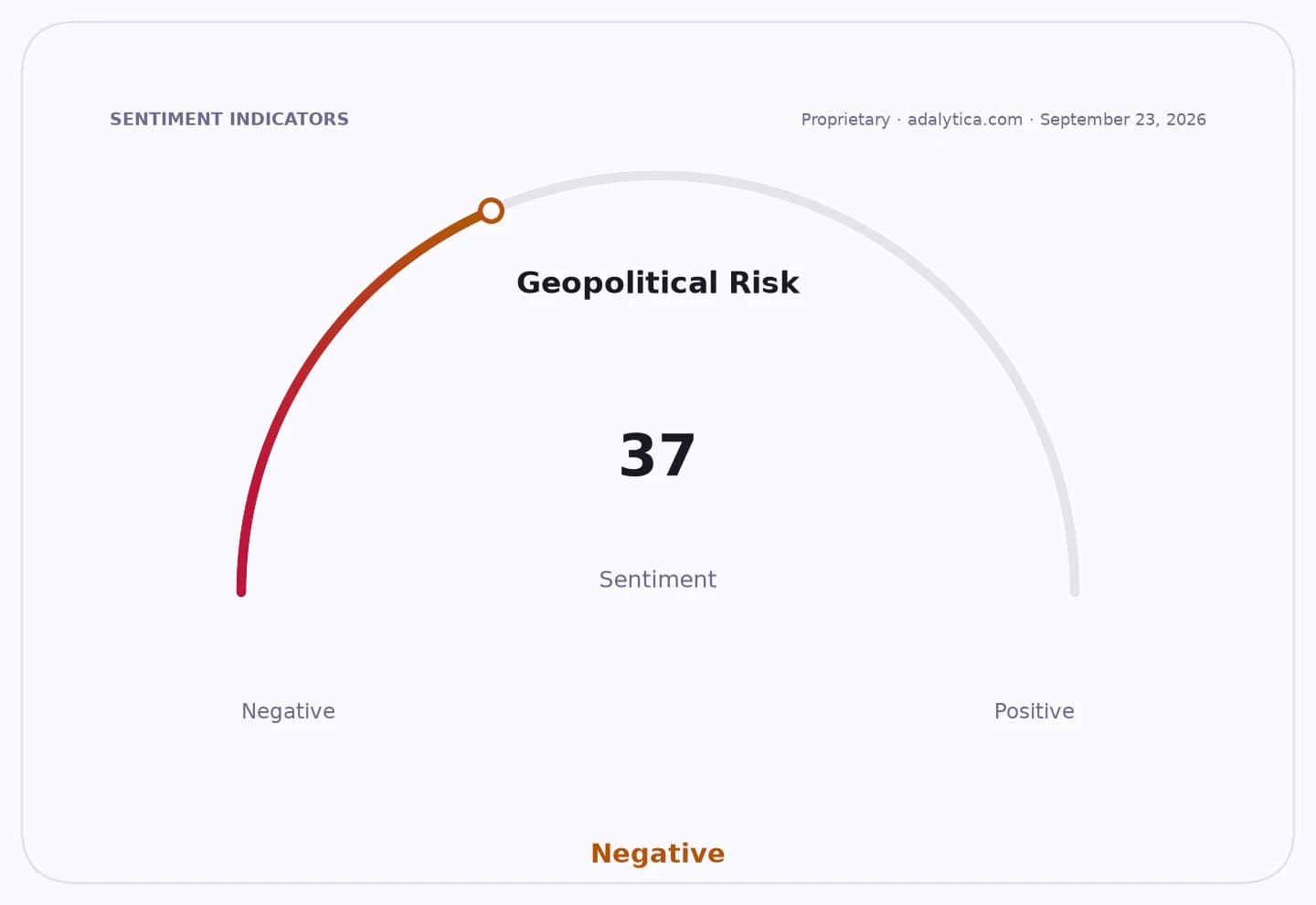
Sentiment IndicatorsⓘProprietary · adalytica.com · July 23, 2026
This is a snapshot — live sentiment, awareness and momentum for 130+ markets update continuously in the dashboard.Open AlphaPulse
The broader backdrop is not supportive either. Soybean prices, as tracked by the SOYB ETF, have climbed steadily, with the fund closing at 26.23 on July 23, above both its 50-day and 200-day moving averages. The move has also pushed standard momentum readings into overbought territory, with RSI readings above 80, a sign that traders have already priced in a fair amount of supply concern. The conventional technical setup suggests the market is responding not just to one fire, but to a wider sense that oilseed inventories are not abundant enough to absorb fresh disruptions easily.
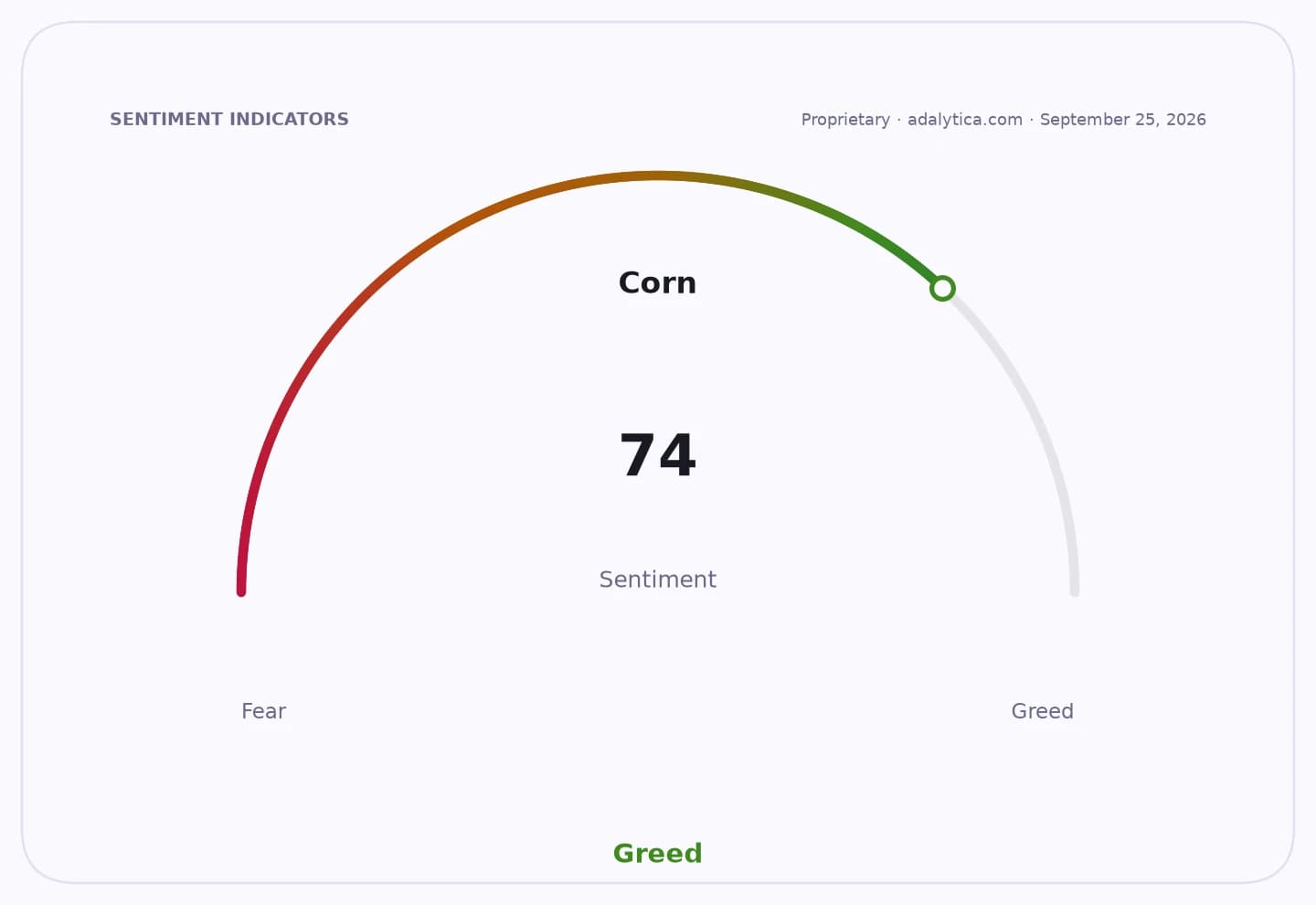
That fits with the signal coming from the Corn Fear & Greed Index from Adalytica.com, which shows greed sentiment at 75 and awareness at 74, even after a pullback from the prior day. In plain English, investors and traders are leaning bullish on row crops, and weather or accident-driven damage can amplify that mood quickly. Corn itself has also strengthened, with the CORN ETF pushing higher and its own RSI readings elevated, underscoring that grain markets are broadly catching a bid.
For long-term investors, the bigger lesson is that agriculture remains a supply-chain business as much as a weather business. A single fire in a farming district may look local, but it can still affect the economics of seed suppliers, grain handlers, crop insurers and processors that depend on stable acreage and predictable yields. Companies such as Archer-Daniels-Midland, Bunge, Mosaic and CF Industries are exposed to that same ecosystem, whether through trading margins, fertilizer demand or crop chemistry tied to farmer profitability.
There is also a clear human cost. Fires in active farm areas can interrupt harvesting, displace seasonal workers and weaken confidence in the next planting cycle, especially for smallholders with little financial cushion. That matters because resilient production depends on labor safety as much as on acreage and rainfall.
For investors, the takeaway is simple: one fire will not rewrite the soybean story, but it does reinforce why agricultural exposure can be a useful diversifier in a long-term portfolio. If crop losses spread or if sentiment stays hot, grain-related ETFs and integrated agribusiness names could stay supported. For patient investors, this is the kind of event worth watching, not chasing — a reminder that food supply remains a durable, investable theme.
| Entity | Gains | Losses |
|---|---|---|
| Soybean bulls | ▲Tighter supply narrative | ▼Higher volatility |
| Farmers in affected area | ▲— | ▼Crop damage and lost income |
| Grain traders and processors | ▲Higher pricing leverage | ▼Disruption risk |
| Crop insurers and lenders | ▲Potential premium activity | ▼Higher claim exposure |