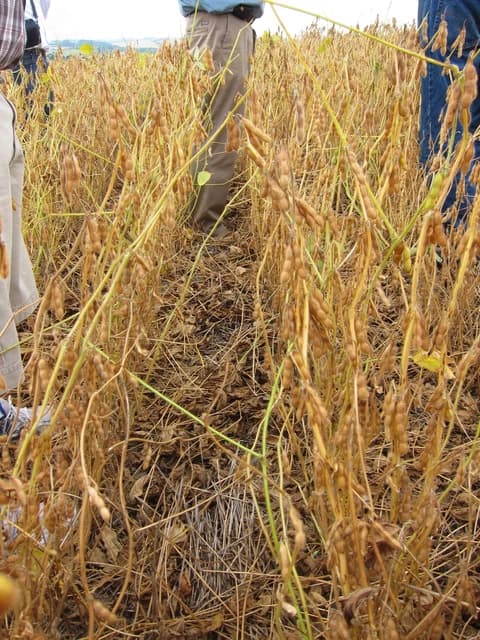
A smaller soybean campaign is set to pull the crop back toward its historical average, tightening the supply picture even as corn market sentiment collapses to extreme fear and grain-related stocks show mixed trading.
Soybeans ETF SOYB rises to $25.17 on tighter supply

The shift matters because soybeans sit at the center of global animal feed, vegetable oil and biodiesel supply chains, and any reduction in the new campaign can ripple through prices, crush margins and export flows. For investors, that means potential support for soybean-linked assets and processors, while users of soymeal and soybean oil may face firmer input costs.
Sentiment IndicatorsⓘProprietary · adalytica.com · August 11, 2026
This is a snapshot — live sentiment, awareness and momentum for 130+ markets update continuously in the dashboard.Open AlphaPulse
SOYB, the soybean ETF, has climbed to $25.17 from $21.46 on Sept. 30, while trading volume has picked up to 75,100 shares in the latest session, a sign of renewed interest as the market prices tighter fundamentals. The fund is still far above its 50-day moving average of $24.92, though its RSI reading of 35.0 shows momentum has cooled from overbought levels seen earlier in the rally.
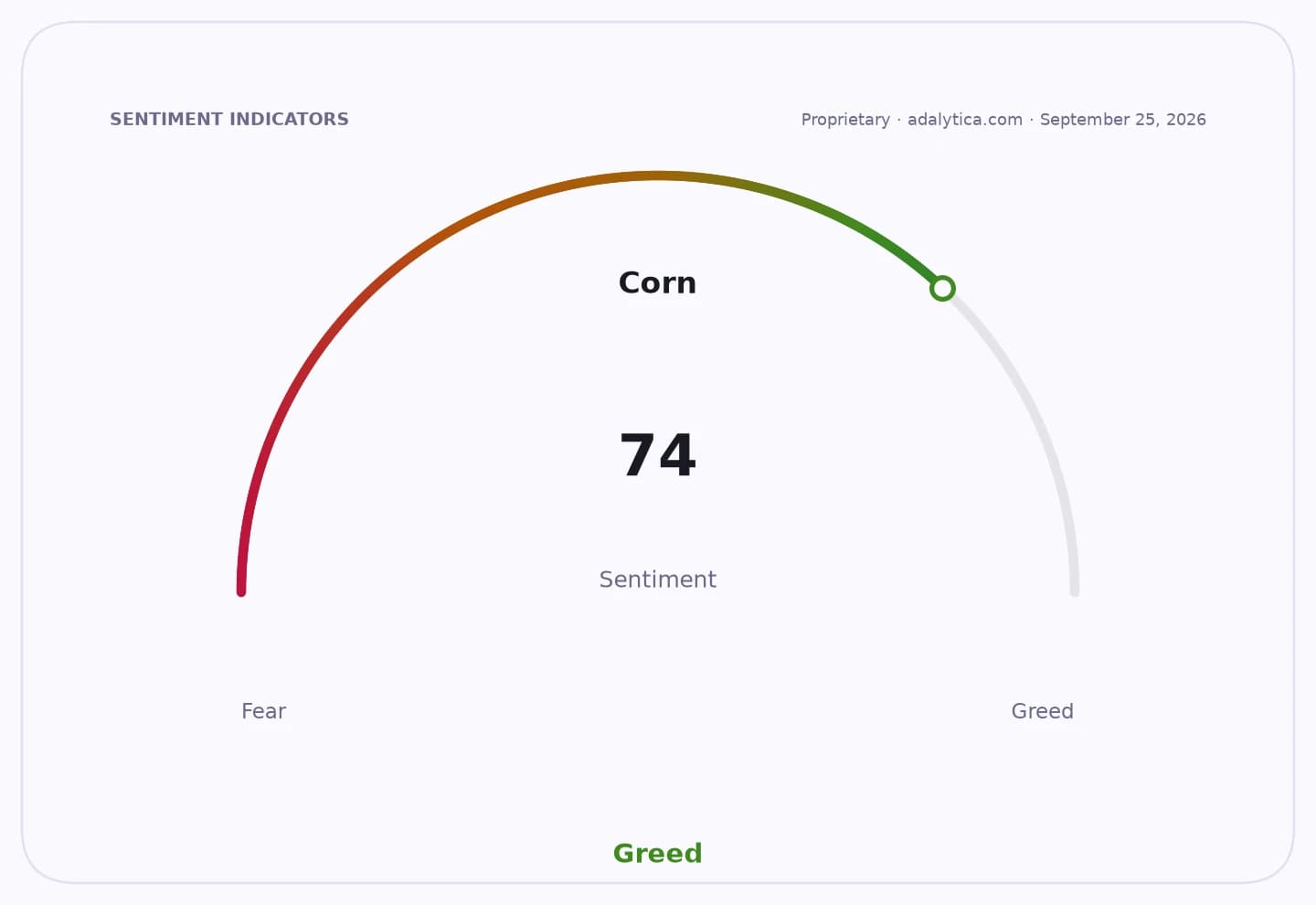
Corn has been less constructive. CORN closed at $17.64 on Aug. 10, below its 50-day average of $17.41, while Adalytica’s Corn Fear & Greed Index shows sentiment at 12, or extreme fear, even as awareness remains at 98. That split suggests traders are watching the grain complex closely but are not yet willing to chase prices higher.
The broader agricultural tape has also turned more selective. ADM shares rose to $80.49 on Aug. 10 after falling as low as $76.22 earlier in the week, while the company has said crush margin expansion in soy and canola was helped by geopolitical uncertainty, logistical disruption and confirmation of U.S. biofuel policy. That backdrop supports processors if soybean supplies tighten, but it can pressure end users that rely on stable raw material costs.
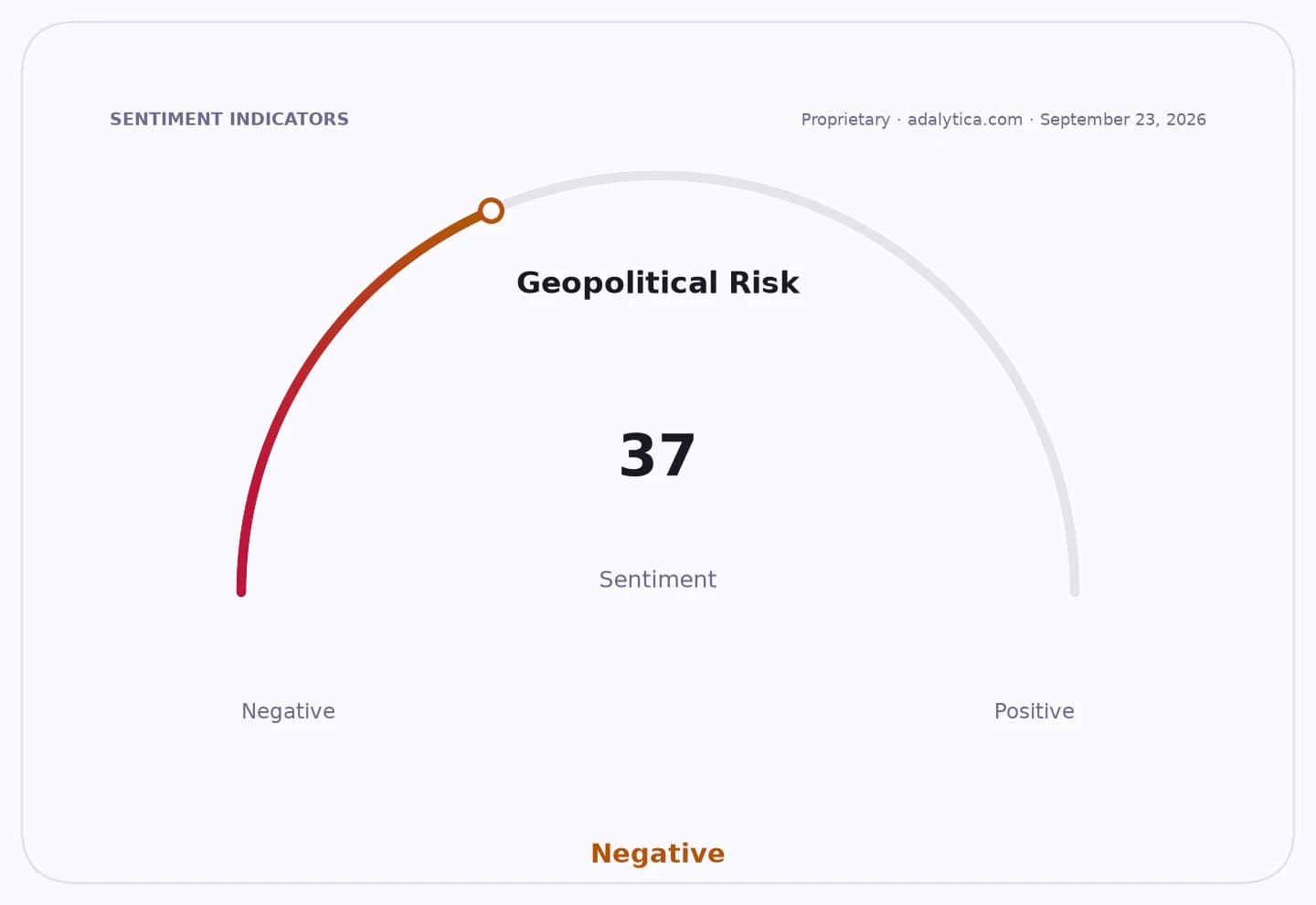
Bunge and other global traders also stand to benefit if soybean processing stays profitable, while livestock producers and food companies may face higher feed and ingredient expenses. With China growth-target sentiment still elevated and soybean demand tied to that market’s import needs, the next focus is whether the smaller campaign translates into firmer export pricing and stronger crush demand into the final months of the season.
| Entity | Gains | Losses |
|---|---|---|
| Soybean producers | ▲Firmer prices | ▼Smaller output volume |
| Processors like ADM/Bunge | ▲Wider crush margins | ▼Higher raw material costs |
| Livestock and food users | ▲Lower input costs if prices ease | ▼Higher feed and ingredient costs |
| Soybean ETF holders | ▲Upside from tighter supply | ▼Pullbacks if demand weakens |