The S&P 500’s proximity to a record is not, by itself, a good reason to delay buying an index fund, even after a sharp pullback in the last session.
S&P 500 Near High, Lump-Sum Investing Favored

For investors sitting on cash and debating whether to enter a market hovering just over 1% below its Oct. 6 closing high of 7,818.93, the evidence still favors putting most of the money to work right away. A back test of S&P 500 performance since 1950 shows lump-sum investing beat 12 equal monthly purchases in about 72% of rolling one-year periods, and that edge held even when the starting point was within 2% of a record close.
Sentiment Indicators

That matters because the instinct to wait for a better entry point often leaves cash idling while stocks compound. The opportunity cost is especially visible when interest rates are no longer near zero, but even with cash earning something, the long-run arithmetic still tends to favor immediate exposure to equities over sitting on the sidelines.
The latest market backdrop does, however, explain why the question keeps resurfacing. The SPY exchange-traded fund, a proxy for the S&P 500, fell to 755.72 on Oct. 30 after trading as high as 772.31 two days earlier, while still remaining well above its 200-day moving average of 725.98. That leaves the index in a technically constructive position, but not one that has fully shaken short-term volatility. The 50-day moving average around 766.77 is still close to current levels, suggesting the market is digesting gains rather than breaking down.
S&P 500
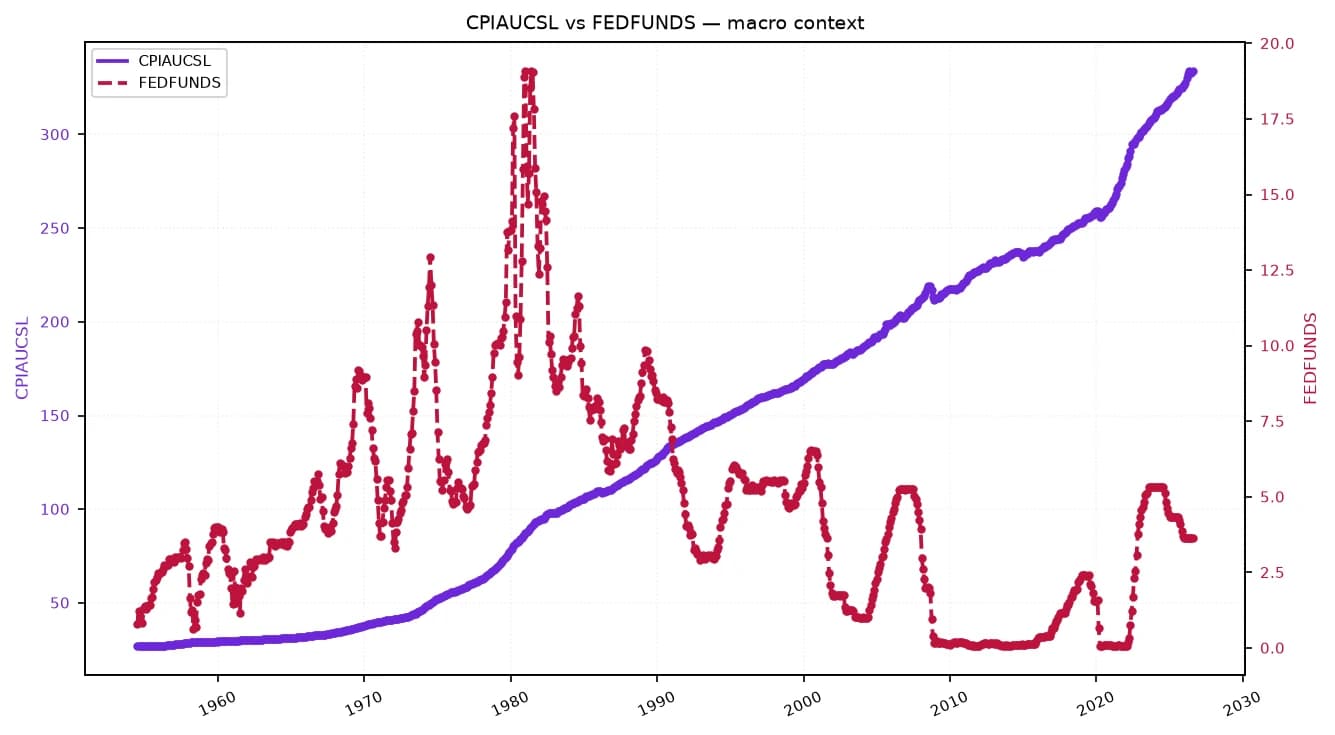
The broader macro setting also cuts both ways. The 10-year Treasury yield has climbed to about 5%, while the fed funds rate is around 3.73%, giving cash and short-dated instruments more competition than in the low-rate era. That makes the case for pacing into stocks a little more understandable, especially for investors who are nervous about near-term drawdowns. But higher cash yields have not historically changed the basic result: stocks have tended to out-earn waiting money over time.
Vanguard’s long-running research reached the same conclusion in mixed stock-and-bond portfolios: investing a lump sum won roughly two-thirds of the time, with the gap widening the longer cash sat idle. The logic is straightforward. Waiting may reduce regret if the market falls immediately after purchase, but it also delays participation in the market’s upward drift, which is ultimately driven by earnings growth.
The exception is psychological, not mathematical. In the worst 12-month periods, when a lump sum lost more than 10%, spreading purchases out helped in nearly every case. That is why dollar-cost averaging still has a role for investors who know they might panic and sell after a fast decline. Vanguard’s own follow-up work pointed to a shorter, roughly three-month pacing period as a compromise for those buyers, limiting the drag from cash while smoothing the emotional impact of entering at a high.
For long-term investors, that distinction matters more than the headline level of the index. If the money is truly for a buy-and-hold S&P 500 position, the historical case still favors getting invested quickly. If the investor is likely to bail out after a rough first quarter, a brief staged entry can function as behavioral insurance. The real decision, in other words, is less about whether the index is near a record than whether the buyer can tolerate owning it through the next correction.
| Entity | Gains | Losses |
|---|---|---|
| Lump-sum investors | ▲Faster market exposure | ▼Higher regret if stocks drop immediately |
| Dollar-cost averagers | ▲Smoother entry path | ▼Lower long-run returns if markets rise |
| S&P 500 buyers | ▲Higher odds of full participation | ▼Missed upside while sitting in cash |
| Cash holders | ▲Short-term interest income | ▼Opportunity cost versus equities |