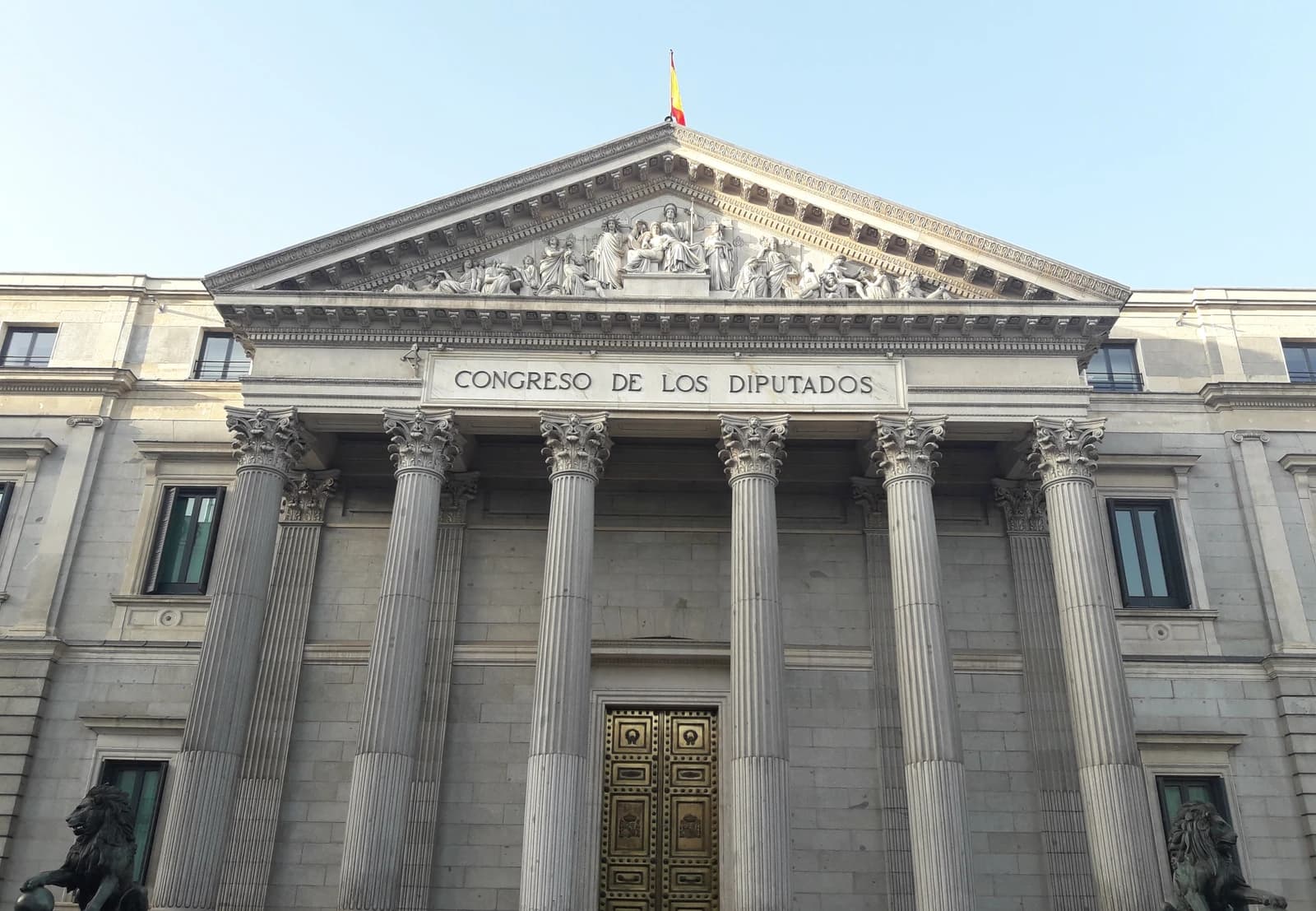
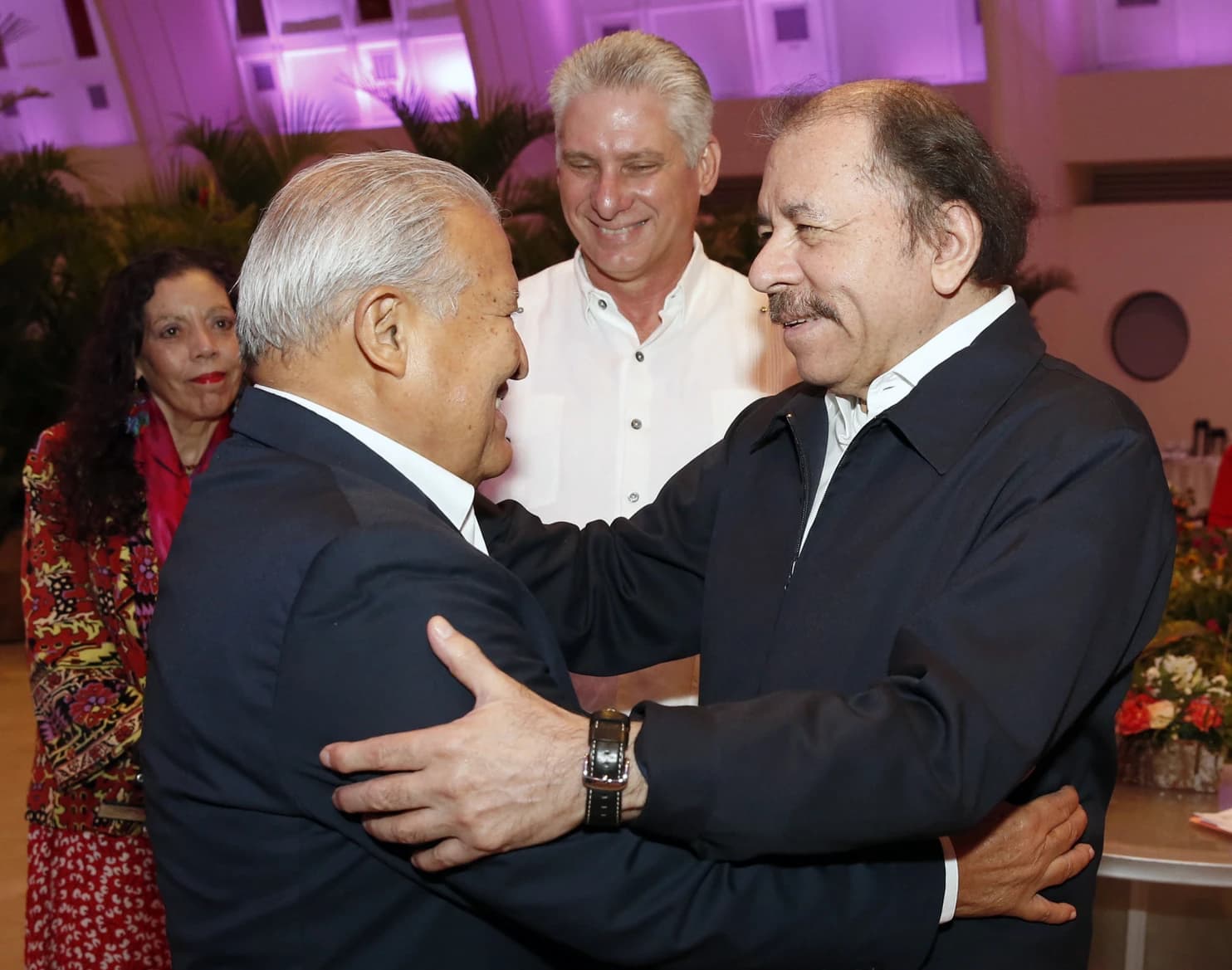
Pedro Sanchez and Luiz Inacio Lula da Silva used a meeting in Madrid to sharpen a shared message against far-right politics, framing international cooperation, democratic institutions and multilateralism as the answer to rising polarization.
Spain and Brazil leaders meet on multilateralism
The talks matter because both leaders are positioning themselves as standard-bearers for the European and Latin American left at a time when anti-establishment and hard-right movements remain a political threat in their regions. Their message also goes beyond rhetoric: it links domestic governance, social cohesion and institutional reform to the stability of the broader international order.
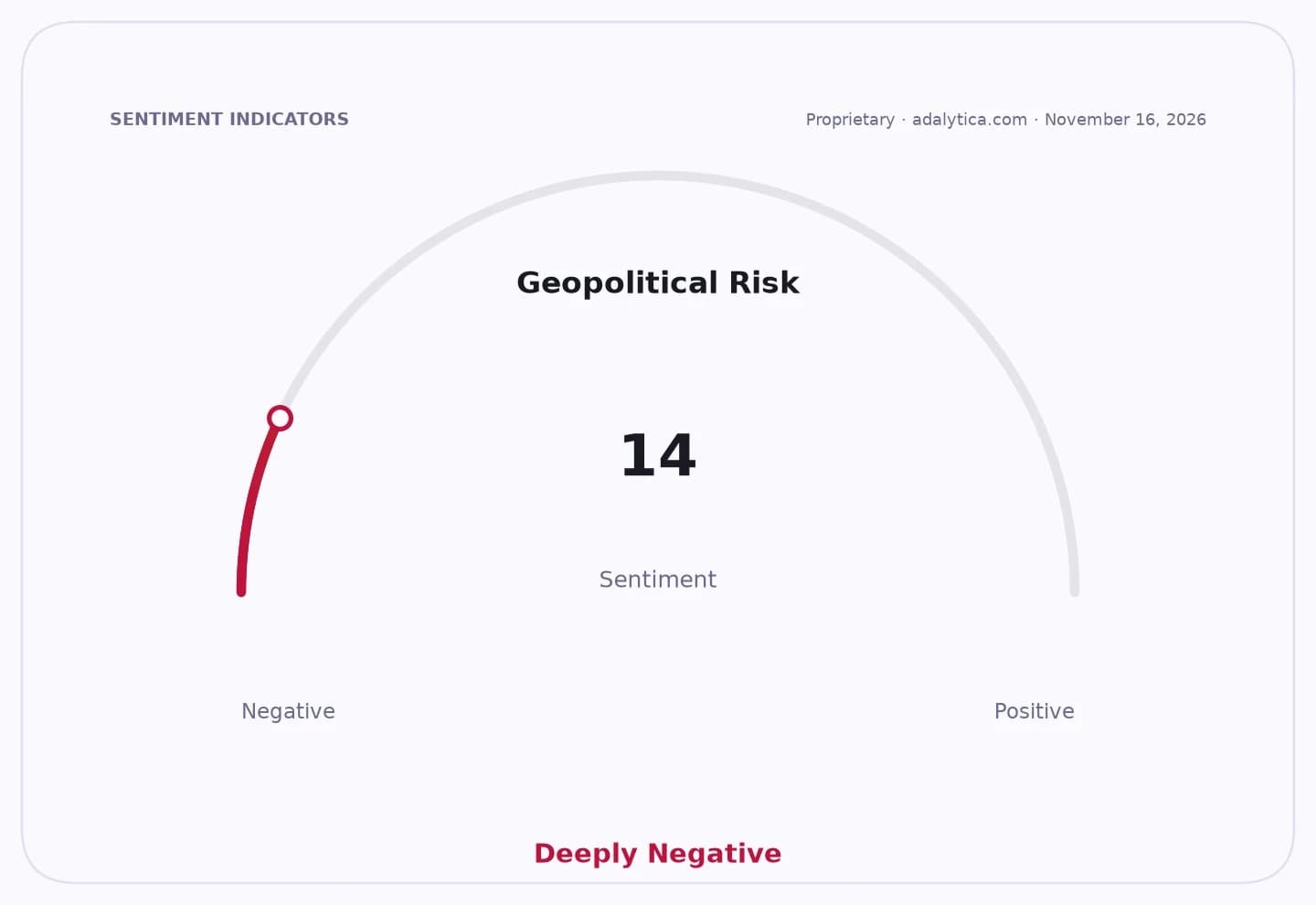
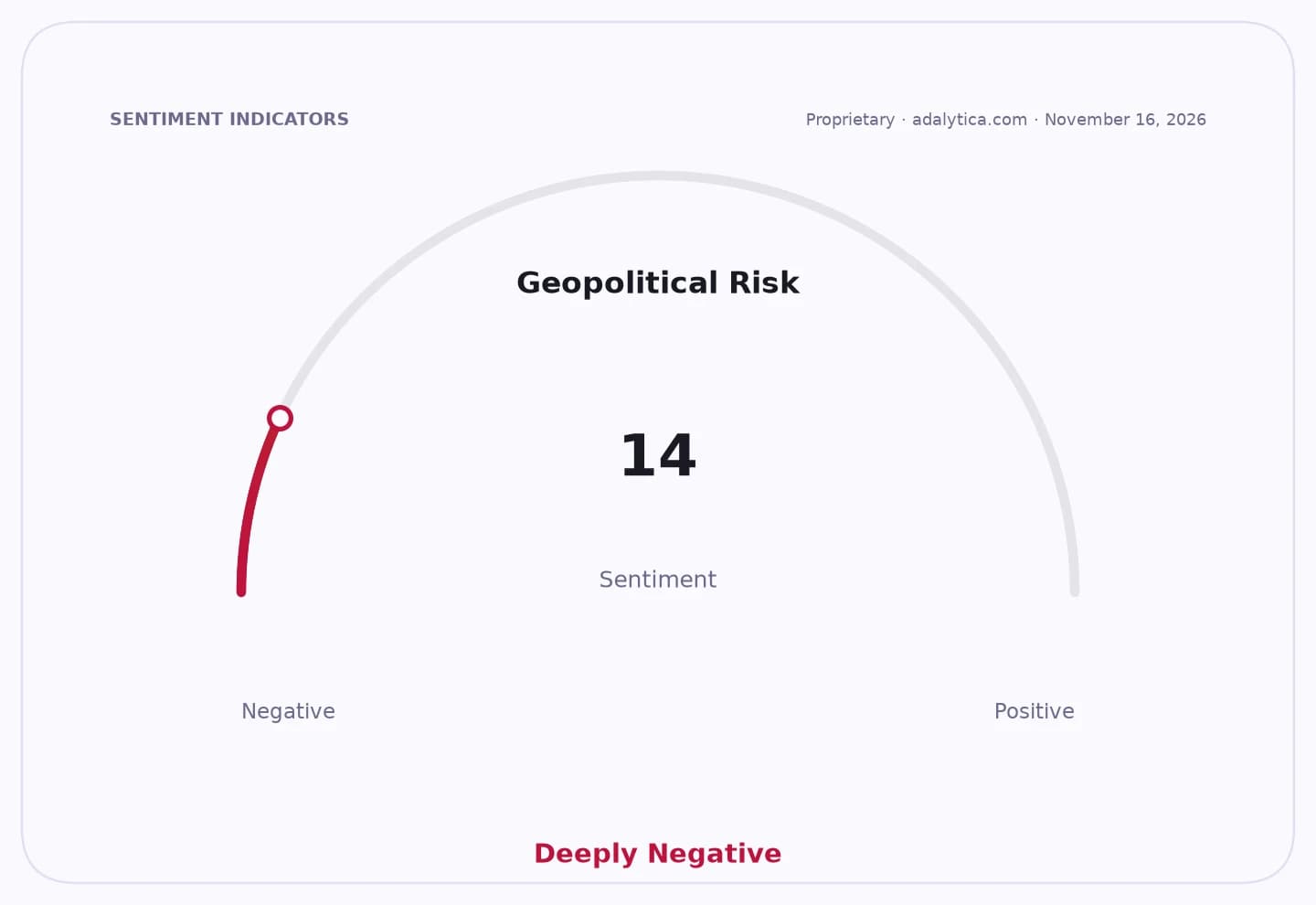
Sentiment Indicators
Spain’s government said the two leaders discussed the future of the United Nations and the need to defend international law, democratic institutions and social cohesion. Lula said on X that they also talked about fighting hate speech and disinformation from the far right and promoting an inclusion agenda to strengthen democracy worldwide.
The meeting reinforces a political alignment between Madrid and Brasilia that has become more visible in recent months. Both governments have been outspoken critics of nationalist and far-right currents, and both have argued for reform of the UN Security Council, which Lula said has proved ineffective in the face of wars in Ukraine and the Middle East.
For investors, the immediate market impact is limited, but the political signal matters for policy direction in two major economies. A more coordinated left-leaning stance can shape attitudes toward regulation, taxation, labor policy and multilateral trade and climate diplomacy, all of which affect corporate planning and risk premia in Europe and Latin America.
The timing also underscores the fragility of Sanchez’s own position at home. He is fighting to keep his coalition together and has called early elections after failing to secure backing for housing measures, while Lula arrives in Spain after a period of heightened ideological tension in the region, including clashes with Argentina’s Javier Milei.
The meeting suggests both leaders want to turn those tensions into a broader political narrative: that social inclusion, stronger institutions and multilateral reform are the best counterweight to the far right. For markets, the key question is whether that agenda stays political or begins to shape policy in ways that affect taxes, regulation and cross-border investment.
| Entity | Gains | Losses |
|---|---|---|
| Sanchez and Lula | ▲Progressive political alignment | ▼Far-right rivals |
| Multilateral institutions | ▲Renewed reform push | ▼Status quo defenders |
| Investors in Spain/Brazil | ▲Policy continuity signals | ▼Higher policy uncertainty |
| Hard-right parties | ▲— | ▼Visibility and momentum |