Brazil’s surprise role in a new OAS monitoring group on Nicaragua is the most important development in a long, complicated relationship that now matters less as personal history than as a test of diplomatic leverage. For investors, the signal is not about trade or markets directly, but about how far President Luiz Inácio Lula da Silva can influence Daniel Ortega’s increasingly isolated government — and whether that influence helps moderate regional risk or simply gives Managua another layer of cover.
Brazil Joins OAS Nicaragua Monitoring Group
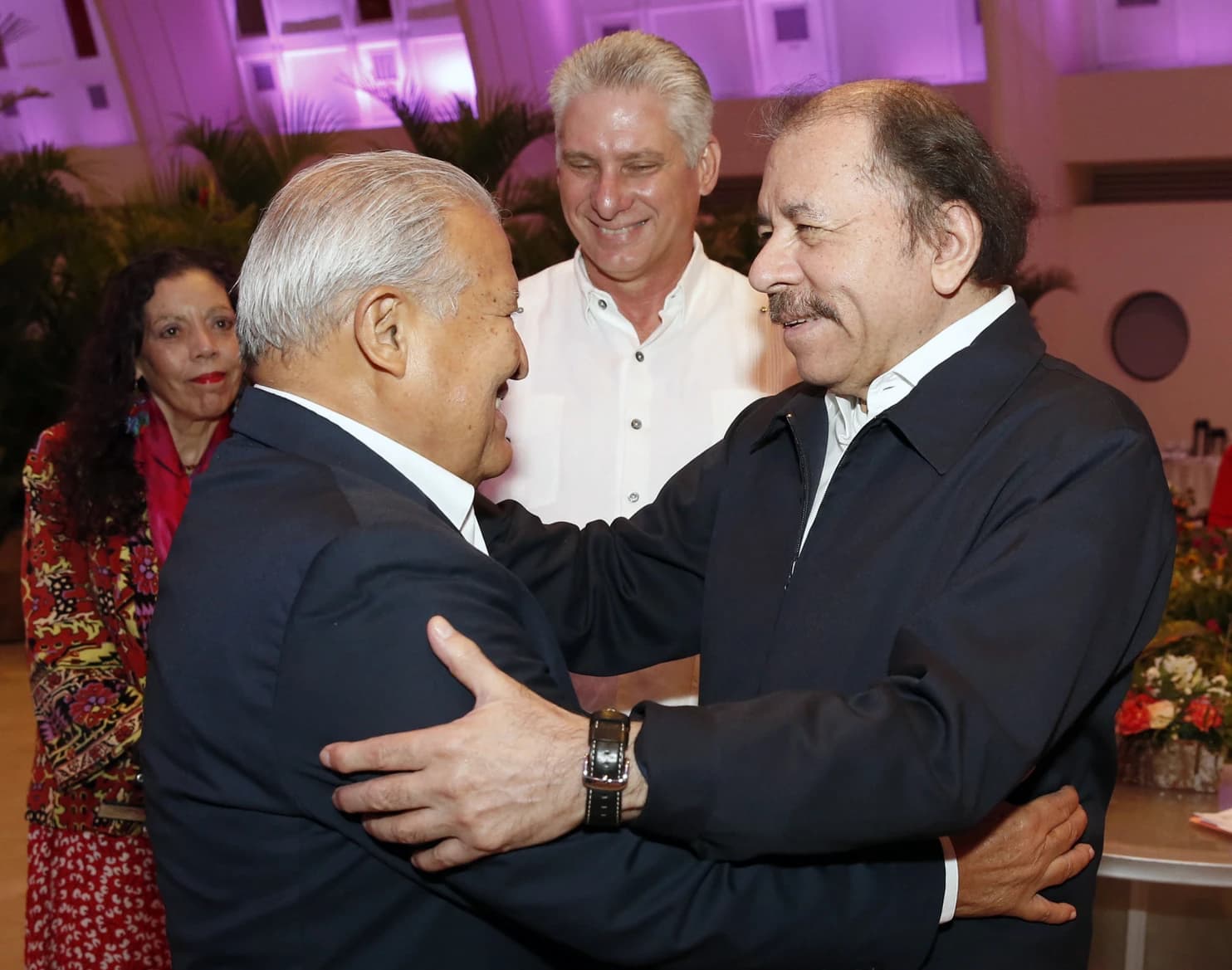
That matters because Nicaragua is not a normal diplomatic file. Ortega has tightened his grip on power through repression, exile and the jailing of opponents, turning the country into a recurring flashpoint for the Organization of American States and for governments trying to balance human rights concerns against regional dialogue. When Brazil joins a 10-country follow-up group meant to push talks and recommend concrete steps, it becomes part of the mechanism through which the hemisphere will try to manage Ortega rather than confront him head-on.
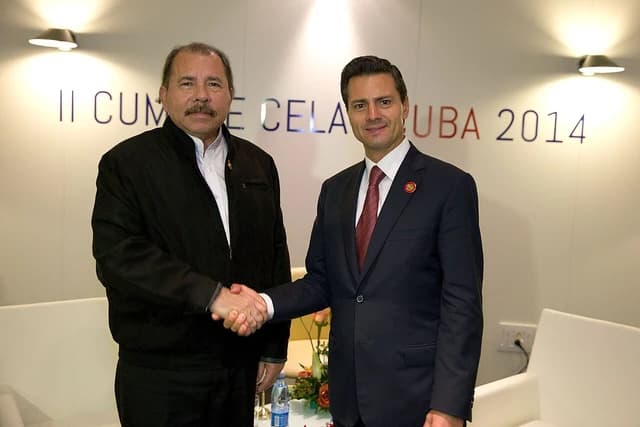
The timing is what makes the move so sensitive. Lula has gone from old comrade to critic to reluctant interlocutor, and the record shows how unstable that middle ground can be. Brazil tried to soften OAS language on Nicaragua in 2023 and again in 2026, only to accept consensus after resistance. Ortega, meanwhile, moved from calling Lula a “Brother President” to branding him a “dragged” and a U.S. proxy, before reverting to warmer language after Lula’s reelection. That whiplash tells investors and diplomats alike that personal ties are no substitute for policy alignment.
For the market, the direct economic impact is limited. Nicaragua is not a major driver of global capital flows, and Brazil’s stance on Managua will not move commodities or rates. But the broader implication is about political risk in Latin America: when the region’s largest democracy leans toward dialogue with an authoritarian neighbor, it can lower the odds of escalation, but it can also blur accountability. That matters to multinational companies, development lenders and investors with exposure to the region’s sovereign and governance risks.
Brazil’s role also reflects Lula’s broader foreign-policy style: engagement first, confrontation only when necessary. That approach can preserve channels with contentious governments and keep Brazil positioned as a broker in Latin America. Yet it also carries reputational risk if dialogue is seen as indulgence. The failure of Lula’s effort to win the release of Bishop Rolando Álvarez showed the limits of personal diplomacy, and Ortega’s decision to ignore his phone calls underscored that Managua will use friendship when useful and discard it when not.
For long-term investors, the takeaway is straightforward: this is a governance story, not a market catalyst. It is worth watching because Latin American politics can affect sovereign sentiment, regional cooperation and the operating environment for companies active across the hemisphere. But the real lesson is the same one that Ortega and Lula’s history keeps illustrating — relationships in politics can reopen doors, but they do not guarantee outcomes.
| Entity | Gains | Losses |
|---|---|---|
| Brazil | ▲Regional influence | ▼Diplomatic credibility |
| Nicaragua’s government | ▲A softer negotiating channel | ▼Pressure for accountability |
| OAS monitoring effort | ▲Broader participation | ▼Clearer hard-line consensus |
| Investors in Latin America | ▲Lower escalation risk | ▼More policy ambiguity |