Spain’s tax authorities have confirmed a useful but narrow break for older homeowners: people aged 65 and over can transfer their main residence to their children without paying personal income tax on the capital gain. For families sitting on years of home-price appreciation, that removes one of the biggest frictions in passing property down early, and it could encourage more intergenerational transfers at a time when housing wealth remains a key store of family savings.
Spain confirms home-sale tax break for over-65 owners
The ruling, issued in binding consultation V1261-25 on July 9, 2025, clarifies that the exemption applies to the donor, not the recipient. In other words, the parent avoids IRPF on the gain tied to the sale or donation of a habitual residence, while the children still face Spain’s inheritance and gift tax. That distinction matters. It means the policy is not a free pass, but it does make living transfers materially more attractive for retirees who would otherwise hesitate because of the tax bill.
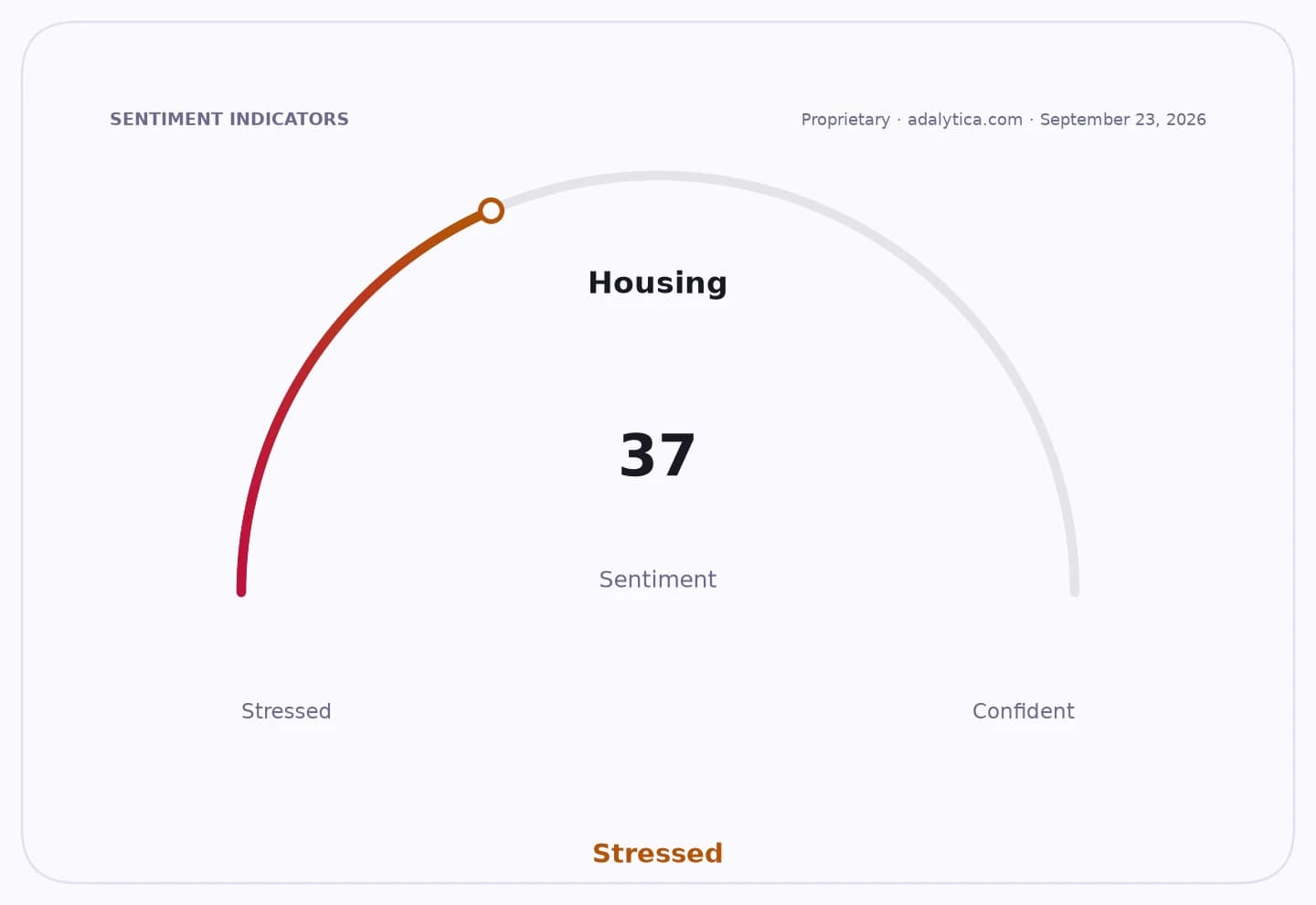
Sentiment IndicatorsⓘProprietary · adalytica.com · October 25, 2026
This is a snapshot — live sentiment, awareness and momentum for 130+ markets update continuously in the dashboard.Open AlphaPulse
The exemption is limited to a home that qualifies as the donor’s habitual residence, and the owner must be at least 65 years old. The property also has to have been lived in for at least three consecutive years. The same relief can apply in cases of severe dependency, widening the pool of households that may qualify. For long-term investors in Spanish housing, that is a reminder that tax policy can shape not just demand and supply, but also when homes come onto the market and how wealth changes hands inside families.
Why does this matter economically? Because housing is still one of the most important assets on Spanish household balance sheets. If older owners are more willing to transfer homes during their lifetime, that can change the timing of transactions, affect listed inventory, and influence how families plan retirement and succession. It may also matter for consumer behavior more broadly: a household that can move property without an IRPF hit may preserve more capital for spending, saving or other investments.
The bigger picture is that governments are under pressure to squeeze more revenue from wealth transfers while avoiding political backlash from homeowners and retirees. Inheritance and donation taxes remain contentious across Europe, and Spain is no exception. The new clarification gives legal certainty to older property owners, but it does not end the debate over who should bear the tax burden when family wealth changes hands.
For investors, the message is straightforward: tax rules can affect real estate liquidity just as much as mortgage rates or affordability. Spanish housing owners, builders and related financial firms should watch whether this clarification nudges more estate planning and more family-led transfers. It is not a game-changing policy for the whole market, but it is the kind of rule that can quietly reshape behavior over years, not days. Worth watching for anyone exposed to Spanish property or planning a long-term portfolio around housing and financial assets.
| Entity | Gains | Losses |
|---|---|---|
| Parents over 65 | ▲Avoid IRPF on home gain | ▼Lose some tax certainty in planning |
| Children/heirs | ▲Receive property earlier | ▼Still pay inheritance or gift tax |
| Spanish housing market | ▲More transfer activity | ▼Less frictionless inventory turnover |
| Tax authorities | ▲Clearer enforcement rules | ▼Forego some capital gains revenue |