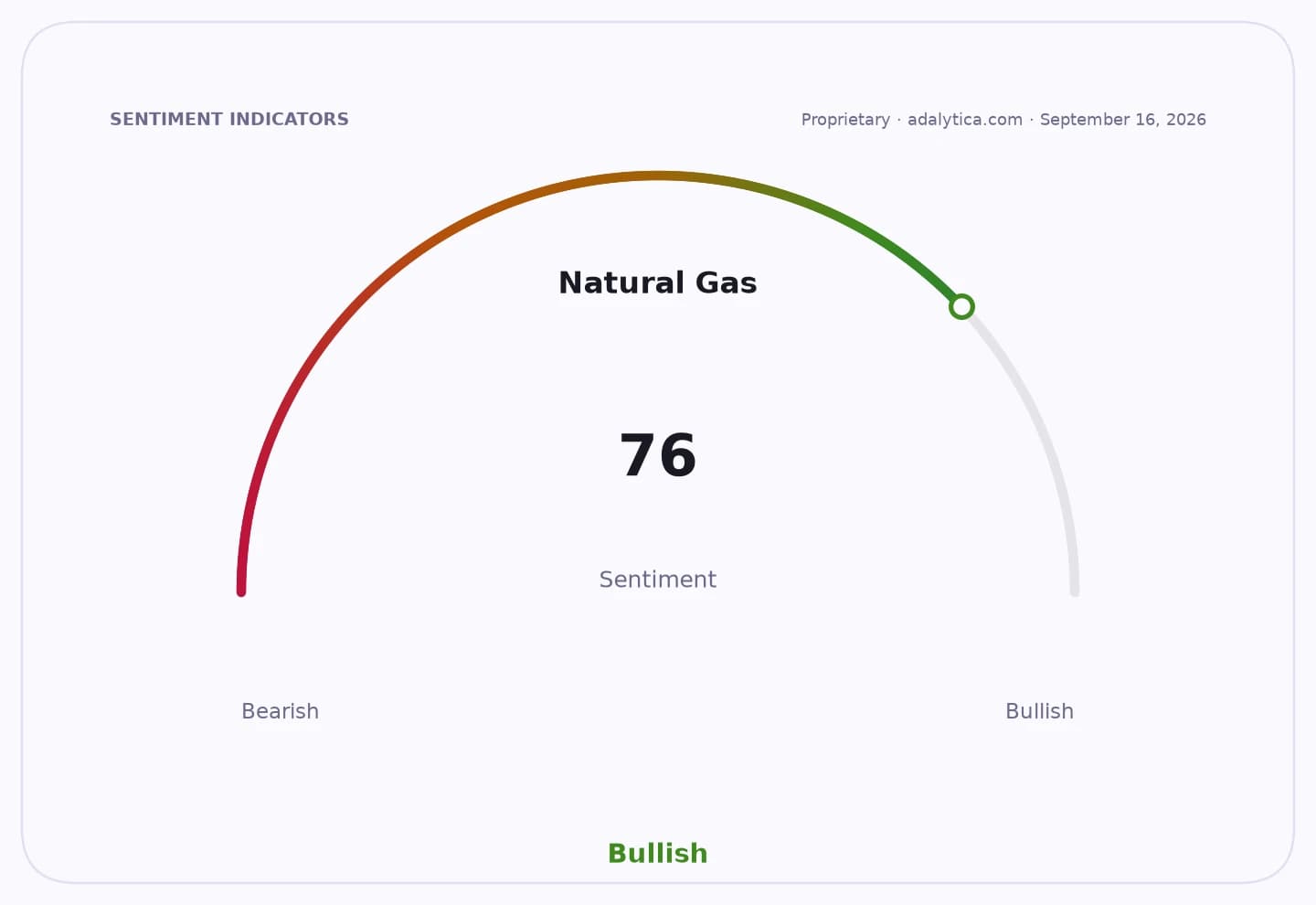
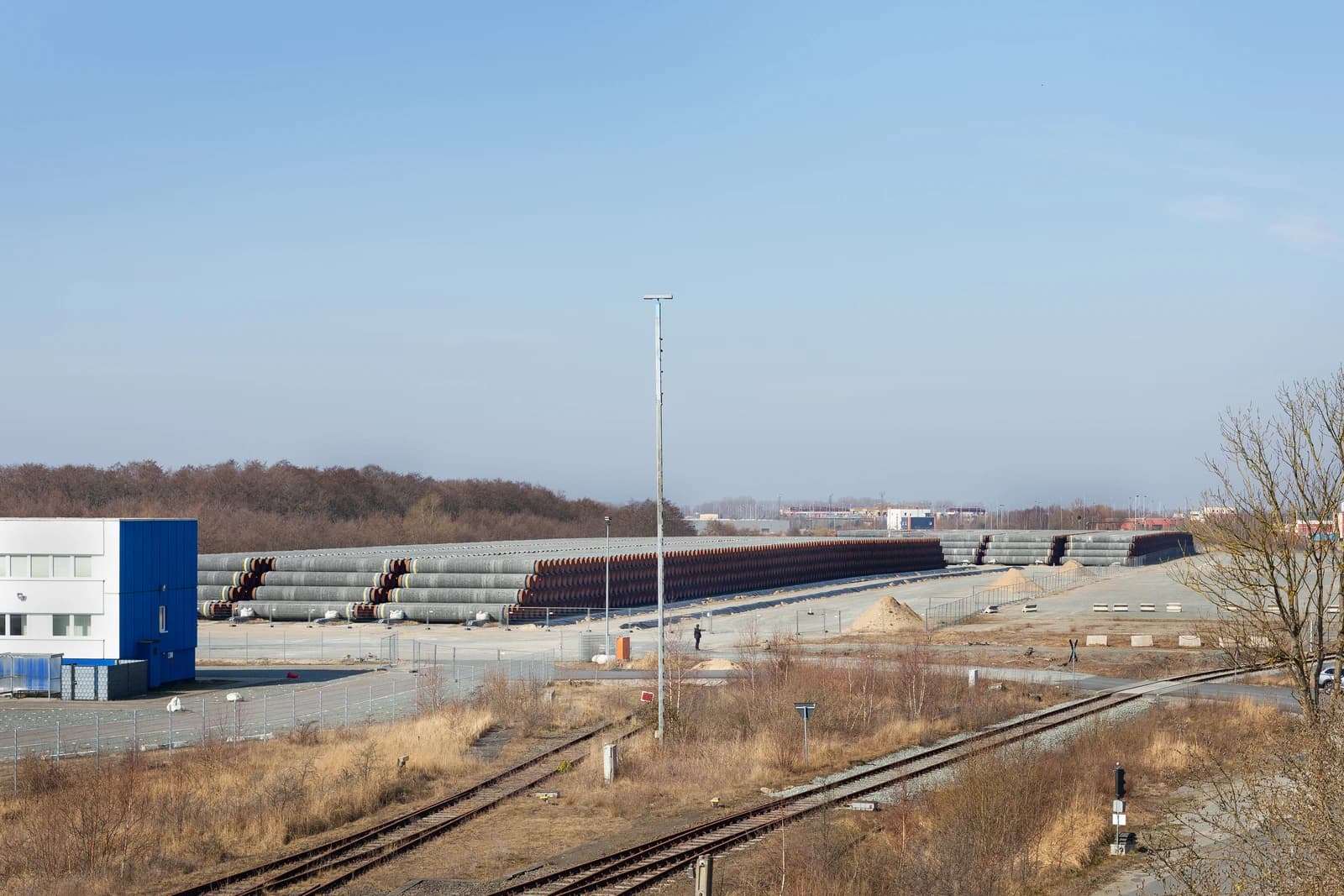
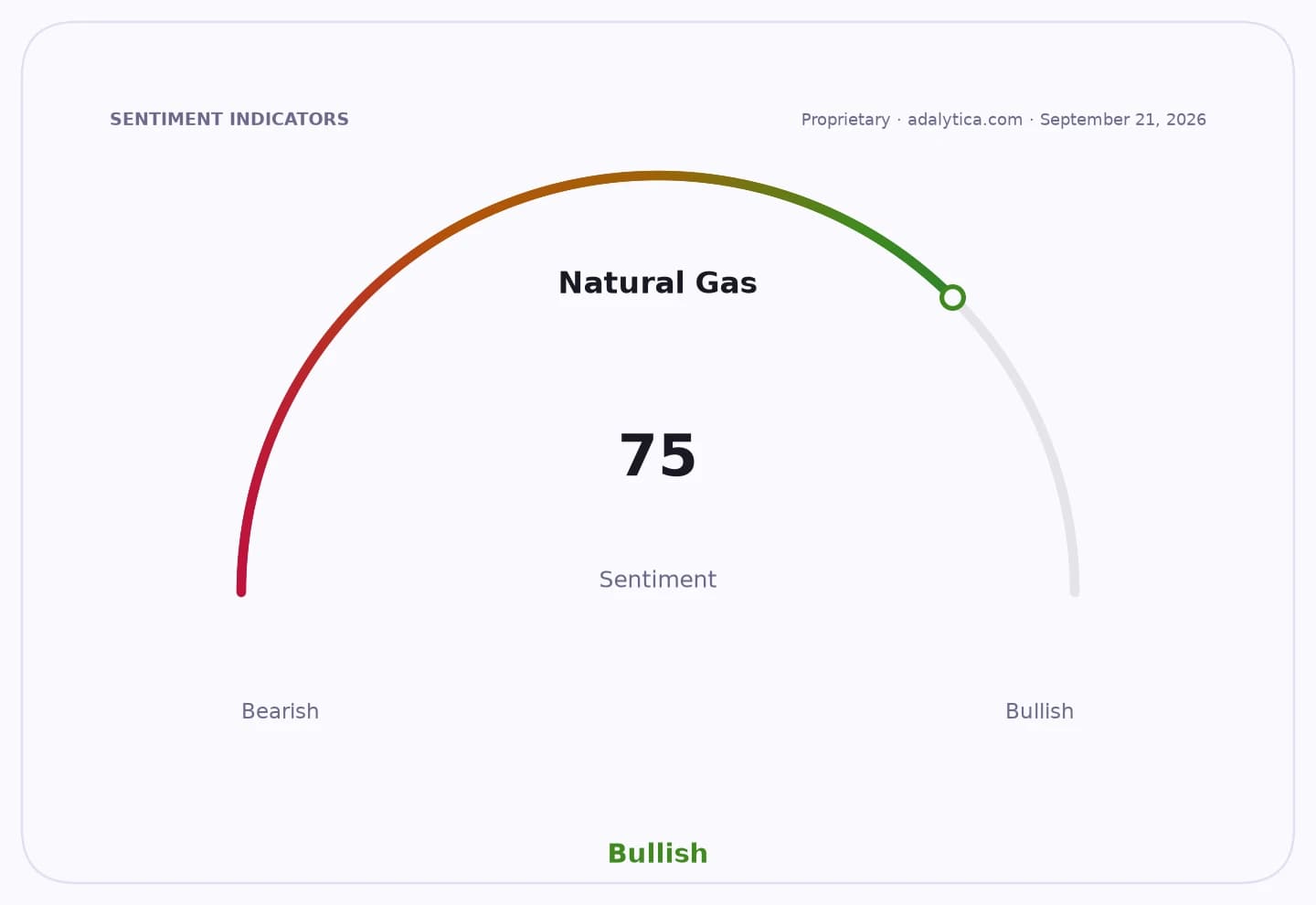
Spain is being forced to pay more to secure LNG cargoes just as it must replace a significant slice of Russian gas before winter, turning a normally routine storage season into a test of Europe’s energy market resilience.
Spain LNG Imports Face Higher Winter Costs
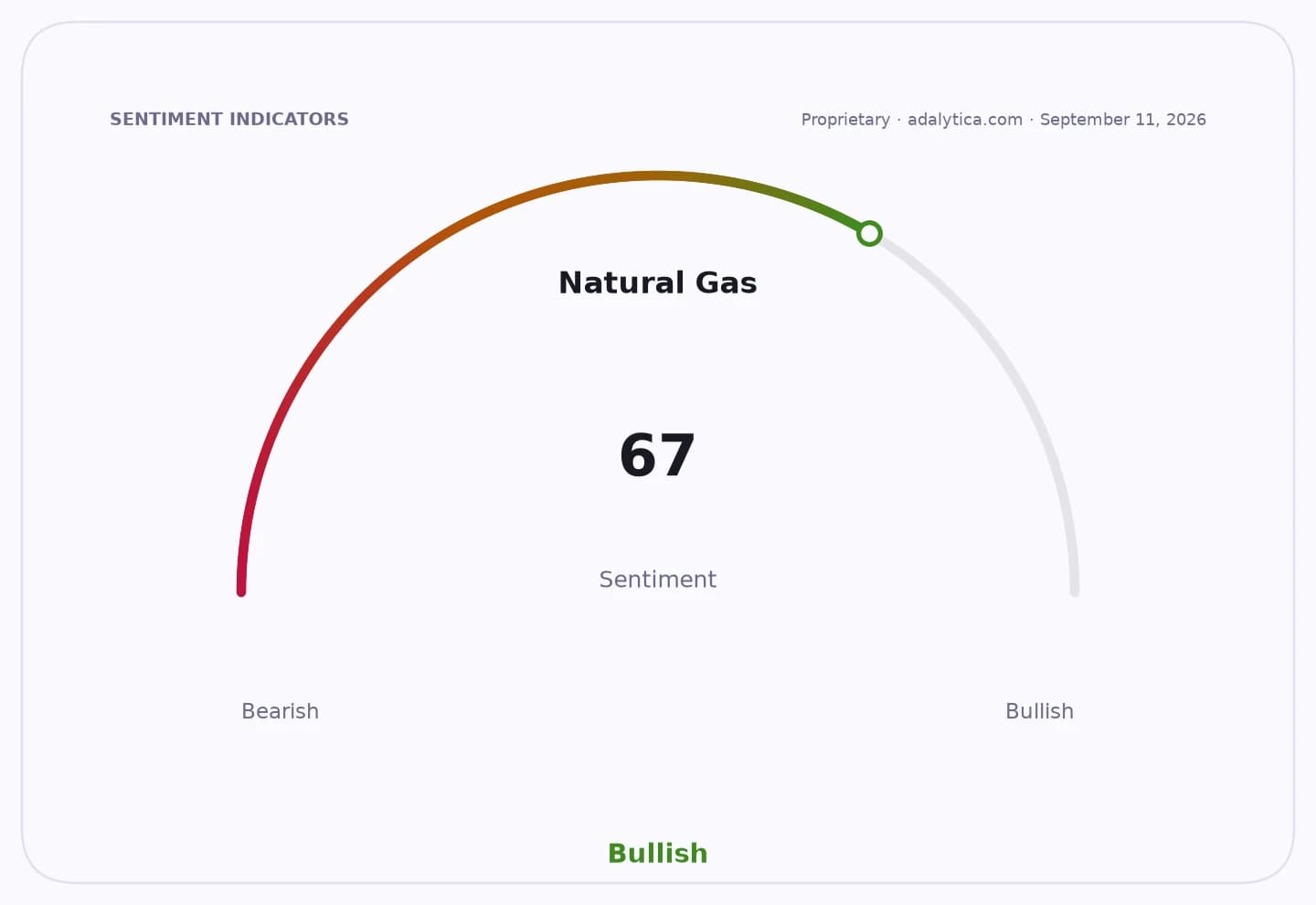
The immediate issue is not a supply shortage in the outright sense. Spain still has one of Europe’s strongest gas infrastructures, with ample regasification capacity and diversified access to pipeline and LNG imports. But the economics of keeping ships in place have deteriorated sharply. When spot prices in Asia or elsewhere in Europe move higher, cargoes that were penciled in for Spanish terminals can be rerouted mid-voyage, leaving the country to compete in a global bidding war for winter supply.
That matters because the window to refill stocks is closing fast. Spain ended August with gas storage around 74% full, above the European average but below its usual level for this time of year. More importantly, the summer replenishment campaign underperformed. Between April and June, Spanish terminals missed 17 of 69 scheduled LNG arrivals, with June particularly weak, and LNG unloads in July and August were about 23% lower than a year earlier. Instead of building inventories, Spain had to draw on underground storage in July, and only partially clawed that back in August.
The pressure is being amplified by prices. European gas is back near 70 euros per megawatt hour, the highest since late 2022 after a roughly 150% rally in recent months. That price move is already showing up in market behaviour: the more Europe and Asia are willing to pay, the less certain it is that a cargo originally bound for Cartagena, Barcelona or Bilbao will actually arrive.
There is also a policy clock ticking in the background. Spain imported 39,260 GWh of Russian gas in the first seven months of the year, up 38.4% from a year earlier, with Russia still accounting for just over 18% of total purchases. That leaves Madrid and other European capitals having to replace a material supply source even as the EU moves toward ending Russian gas purchases by 2027. The result is a squeeze from both sides: higher replacement demand and tighter cargo availability.
For investors, the story is less about one country’s storage level than about what it says on the direction of the LNG market. The tighter the Atlantic basin gets, the more pricing power shifts to exporters and flexible suppliers, while importers face higher procurement costs, larger working-capital needs and more volatility in winter heating and industrial fuel bills. That tends to support gas-linked assets and LNG exporters, but it can hurt energy-intensive sectors, utilities with unhedged exposure and European buyers that depend on spot cargoes rather than long-term contracts.
Arctic or geopolitical shocks are not required for the market to stay tight; simple competition for cargoes is enough. Spain can still lean on Algeria, which was its largest supplier in July and largely bypasses the LNG shipping contest through the Medgaz pipeline. But that route has limits, and any remaining gap will have to be filled by the same globally traded cargoes that Asia and other European buyers are chasing.
The next few months will show whether Spain’s storage cushion and import flexibility are enough to absorb another winter without a more serious price shock. If LNG arrivals keep missing schedule, the cost of security will rise quickly — and so will the market value of every ship that does dock in Cartagena.
| Entity | Gains | Losses |
|---|---|---|
| LNG exporters | ▲Higher spot prices | ▼Less predictable demand |
| Spain and EU importers | ▲Diversified supply access | ▼Higher procurement costs |
| Gas-trading rivals in Asia/Europe | ▲Flexible access to cargoes | ▼Tighter shipping competition |
| Energy-intensive industries | ▲None | ▼Higher fuel and power costs |