Olive oil prices are heading into the new campaign under less strain after Spain projected a 1.6 million-ton crop, a sizeable rebound that should improve supply and keep a lid on prices after the extraordinary spike of 2024.
Spain Olive Oil Crop Seen at 1.6 Million Tons

The outlook matters because Spain dominates the global olive oil market, so even a modest shift in its harvest can ripple through supermarket shelves, bottling margins and food inflation across Europe. The Agriculture Ministry’s first estimate for the 2026/27 season points to production about 23% above the prior campaign’s roughly 1.3 million tons, suggesting a medium-to-high crop that could finally ease a market that has been tight for two years.
That has already been reflected in origin prices. At the start of October, extra-virgin olive oil in Spain was trading around 3.18 to 3.43 euros a kilo, far below the levels seen in 2024 when some quotes topped 9 euros a kilo. In retail, discounts have started to appear, with some five-litre extra-virgin offers from 3.79 euros a litre on October 13, though shelf prices remain distorted by packaging, logistics, promotions and the lag from earlier high-cost inventory.
For consumers, the key question is not whether prices have fallen already, but whether the relief will become durable. Lower farmgate prices usually feed through slowly because processors and retailers still work through stocks bought when oil was much more expensive. For food inflation, that means the impact of a better crop may show up unevenly and only gradually over the coming weeks and months.
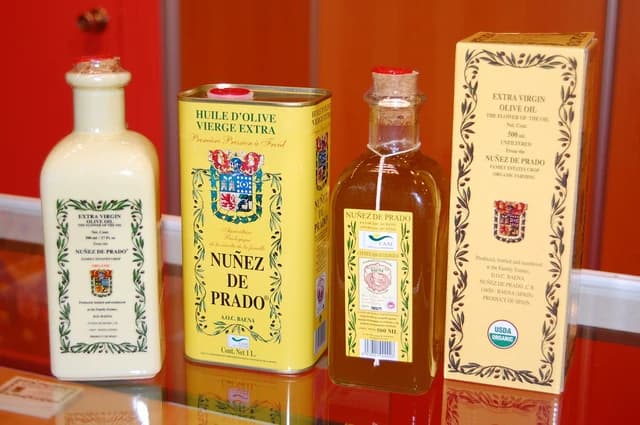
The new forecast is encouraging, but it is not a clean victory for buyers. Olive production is notoriously volatile, and the crop still depends on weather through the final stages of fruit development and harvest. Dryland groves remain vulnerable to heat and water stress, while heavy rain could aid fruit size but also disrupt picking if it arrives in persistent storms. That leaves room for the estimate to move higher or lower before the campaign is finished.
Investors in agricultural commodities and food producers are watching the same dynamic through a broader inflation lens. A larger olive oil crop would ease one of the more visible pressure points in household food baskets, supporting retailers and processors that have been squeezed by high input costs and volatile supply. It would also contrast with tighter conditions in other staples, where weather problems have kept corn and some vegetable prices elevated, underscoring that food inflation is easing unevenly rather than in a straight line.
The base case is for a more comfortably supplied olive oil market than in 2023 and 2024, with downside risk shifting from shortages to the pace of price normalization. For now, the market is pricing relief, but the next few weeks of weather and harvest data will determine whether Spain’s rebound is enough to turn that relief into a sustained reset in consumer prices.
| Entity | Gains | Losses |
|---|---|---|
| Consumers | ▲Lower shelf prices over time | ▼Less chance of bargain-heavy buying now |
| Olive oil processors/retailers | ▲Easier sourcing and replenishment | ▼Margin pressure from falling origin prices |
| Spanish growers with strong yields | ▲Bigger crop volumes | ▼Lower farmgate prices per kilo |
| Import-dependent buyers | ▲Better supply security | ▼Less leverage in a tighter market |