Spain is trying to attack one of its most stubborn labor-market problems: how to give young people a first foothold in the workforce when so many jobs still demand prior experience.
Spain SEPE aid funds youth training hires

That is why the latest SEPE program matters. The public employment service has opened a new round of aid worth up to 7.06 million euros to help public bodies hire unemployed people under 30 on 10- to 12-month training contracts. For investors, policymakers and employers, the key point is not the headline budget. It is the policy signal: Spain is using public-sector hiring subsidies to turn unemployment support into work experience, especially in strategic areas such as green transition, digital services, social care and rural development.
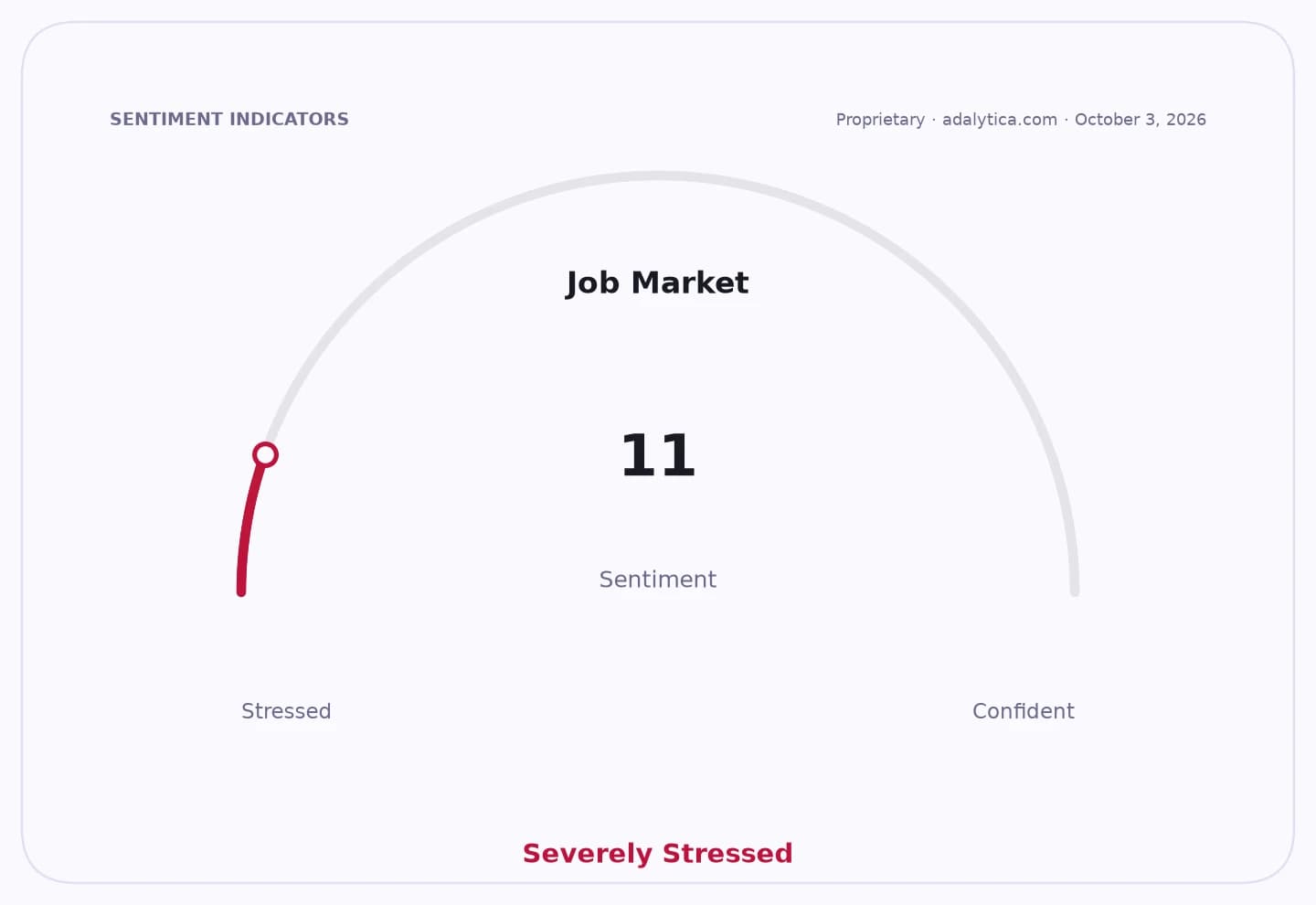
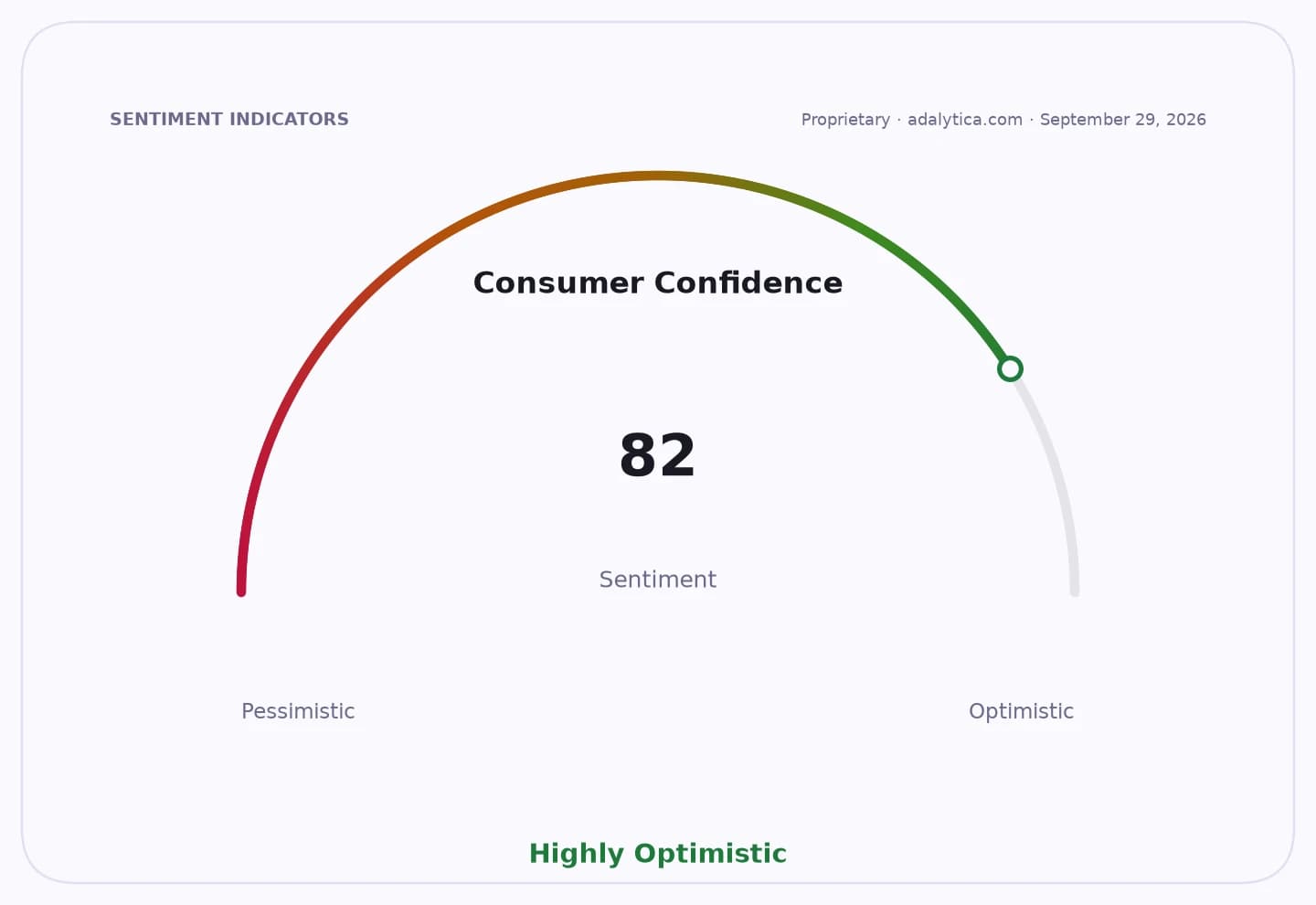
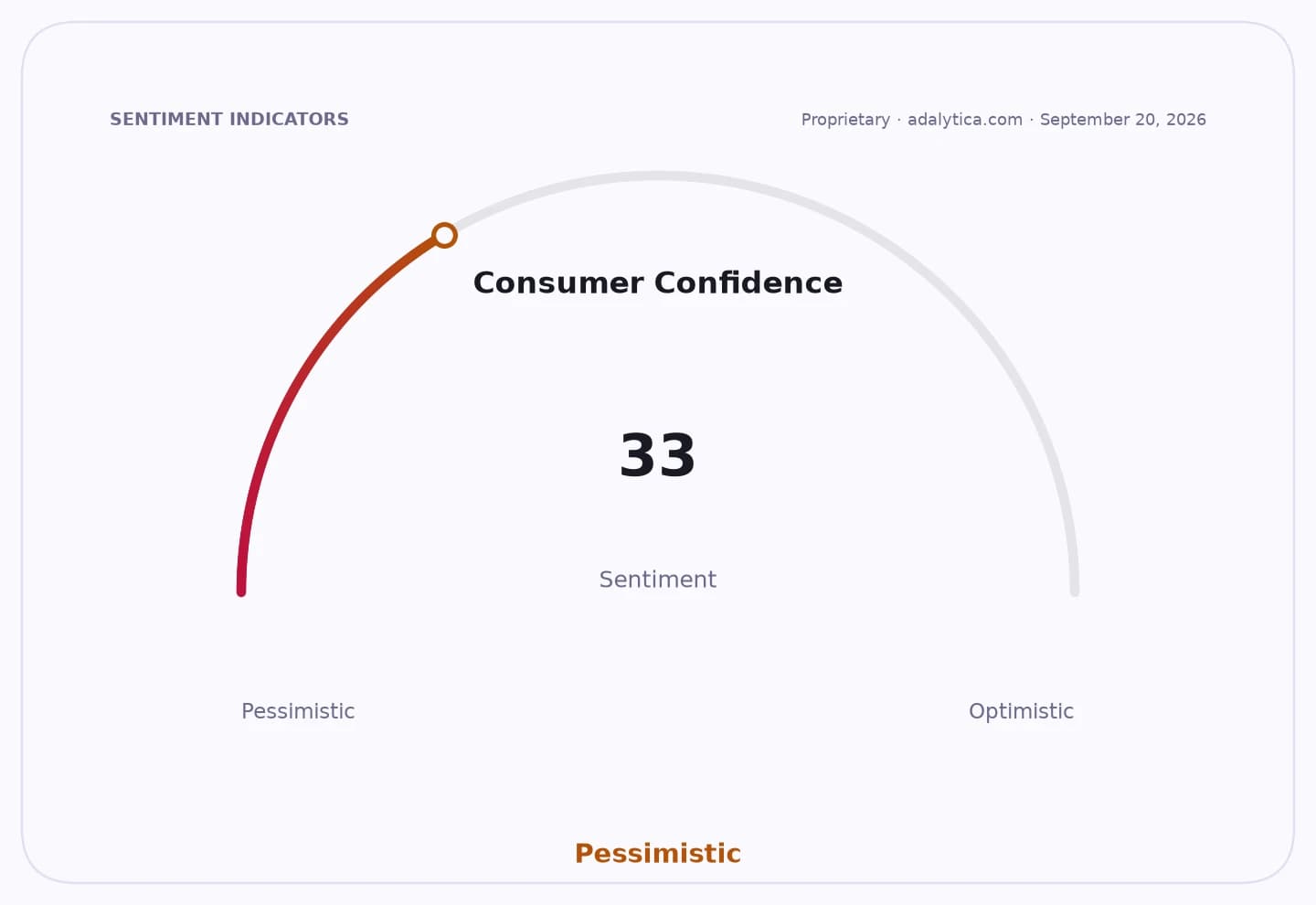
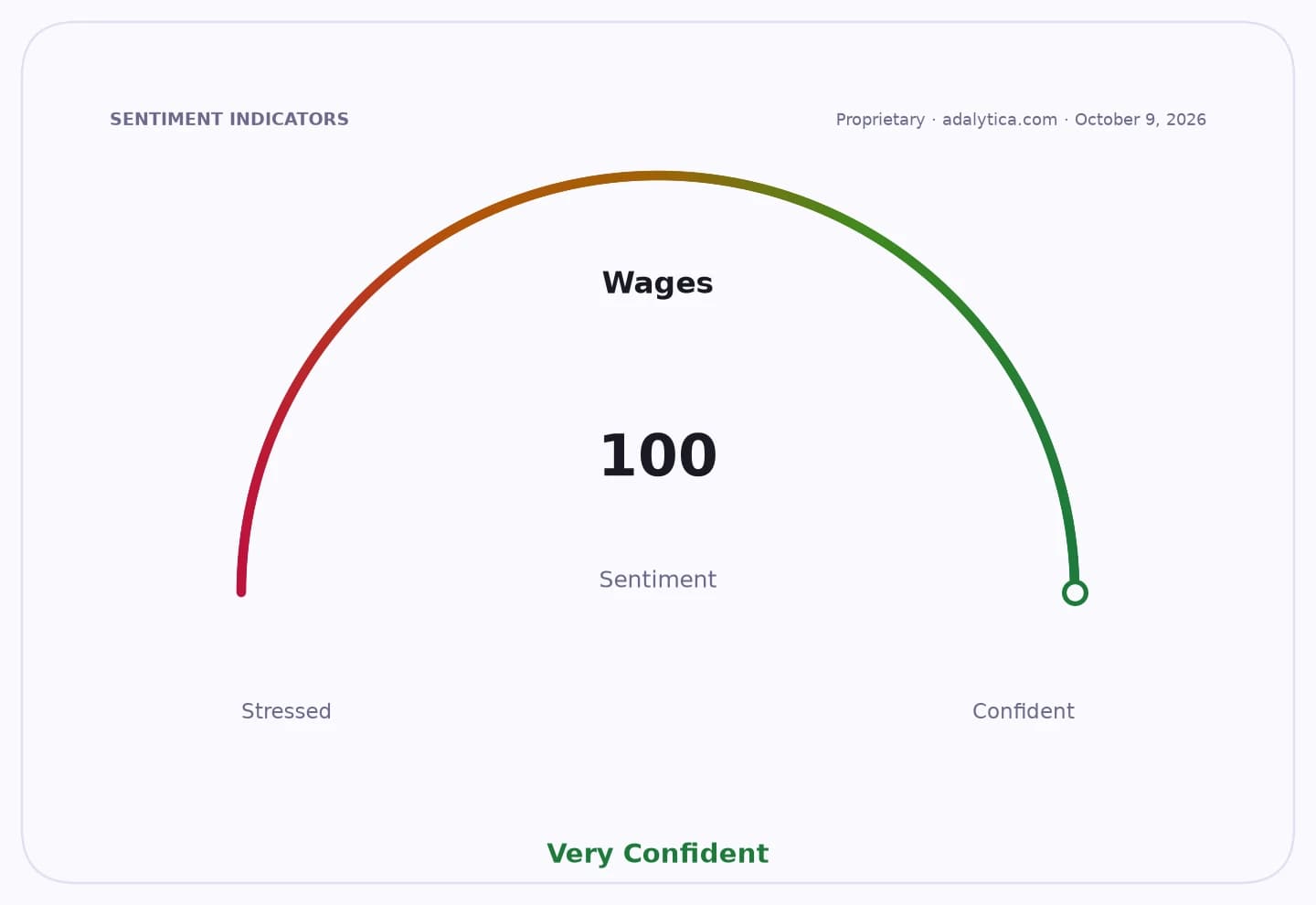
Sentiment IndicatorsⓘProprietary · adalytica.com · October 7, 2026
This is a snapshot — live sentiment, awareness and momentum for 130+ markets update continuously in the dashboard.Open AlphaPulse
The backdrop is still mixed. Spain ended August with 2.36 million unemployed, up 44,419 from July, but still 70,593 lower than a year earlier and the lowest August total since 2007. Youth unemployment remains a particular pressure point. Among people under 25, joblessness rose by 8,168 in August, even if the total stayed below 170,000. That is exactly the kind of gap the SEPE scheme is designed to address: not just unemployment, but the lack of a first credential that helps young workers get hired again later.
The economics are straightforward. When new entrants cannot get experience, the labor market becomes less efficient and wage growth for younger cohorts lags. A public program that subsidizes first jobs does not solve the broader structural problem on its own, but it can reduce scarring, keep skills from going unused and support productivity in sectors where governments are already trying to accelerate investment. In that sense, this is a labor policy with industrial-policy overtones.

For investors, the immediate market impact is limited, but the long-term read-through matters. Any measure that helps lift youth employment supports household incomes, consumption and tax receipts over time. It also improves the supply of trained workers for areas Spain wants to expand, from digital public services to energy transition projects. That can be especially important in a country where labor availability, housing stress and uneven regional development all feed into the broader growth story.
The fine print matters too. The current call is not for young applicants to directly claim a job or grant. Public agencies and state-sector entities must apply for the subsidies first, with a 15-day window from publication in the official gazette. Only after the aid is awarded will hiring begin, which means the program’s real economic impact will show up gradually, not overnight.
Still, the direction is encouraging. Spain is acknowledging that a low unemployment rate is not the same as a healthy labor market if young people still need a lucky break to get started. For long-term investors, that makes the SEPE aid worth watching as part of a broader effort to make the labor market more resilient, more inclusive and better aligned with the country’s growth priorities.
| Entity | Gains | Losses |
|---|---|---|
| Young unemployed workers | ▲First experience, better employability | ▼Waiting time for openings |
| Public sector employers | ▲Subsidized hiring, fresh talent | ▼More hiring administration |
| Spanish economy | ▲Higher participation, better skills | ▼Budget outlay |
| Private employers | ▲Bigger future talent pool | ▼Compete for trained workers |