The Spanish Supreme Court has opened the door to borrowers challenging reverse-mortgage interest clauses in the Canary Islands, a ruling that could force lenders to refund costs if the contracts were not explained with enough clarity.
Spanish Supreme Court reviews reverse mortgage clauses
The key issue is not the product itself, but whether elderly homeowners were properly told that interest could be capitalized and then charged on top of prior interest, a mechanism that can sharply accelerate debt growth over time. That distinction matters because reverse mortgages are marketed as a way for people over 65 to unlock housing wealth without selling their home, while leaving heirs with the eventual repayment burden.
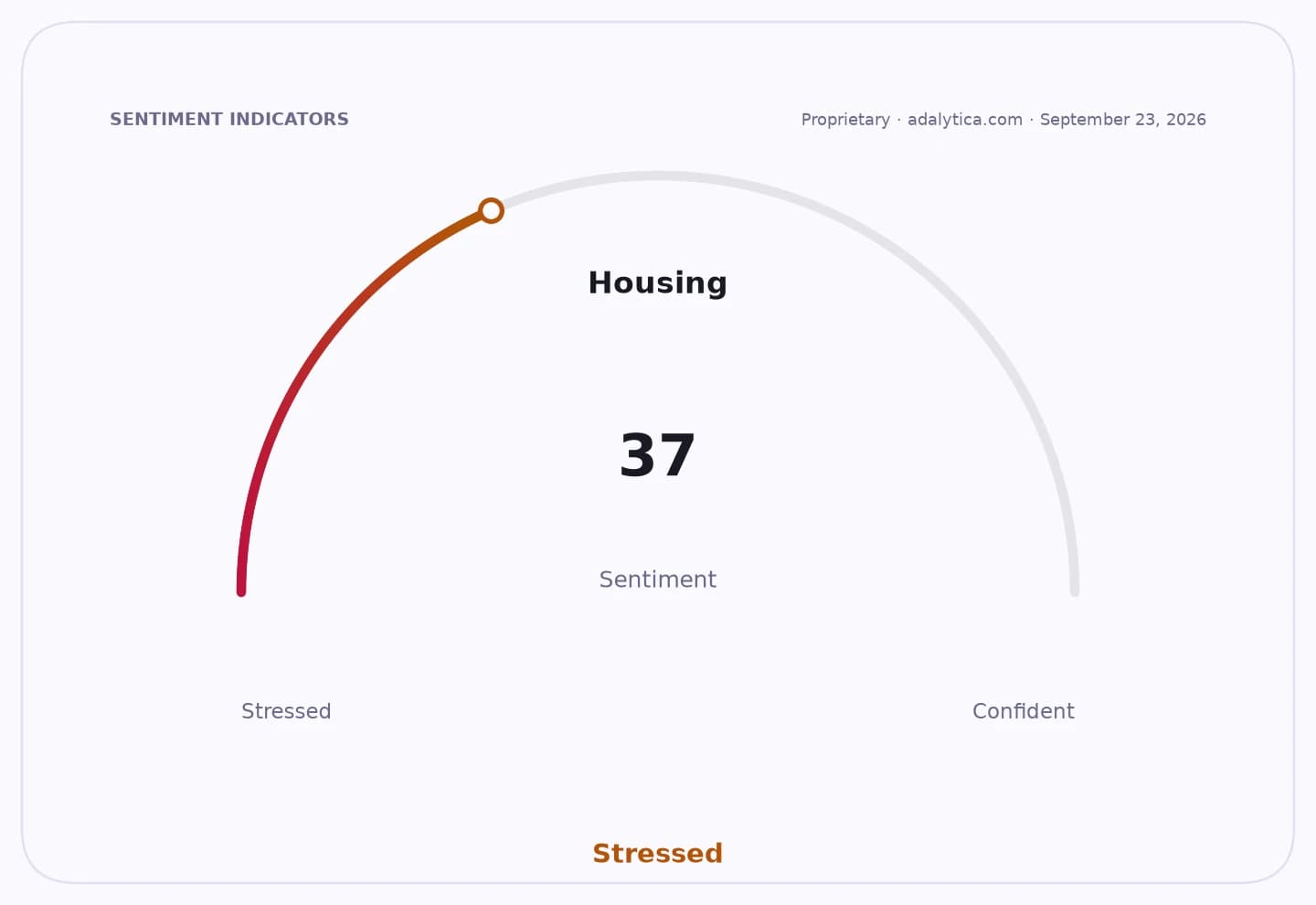
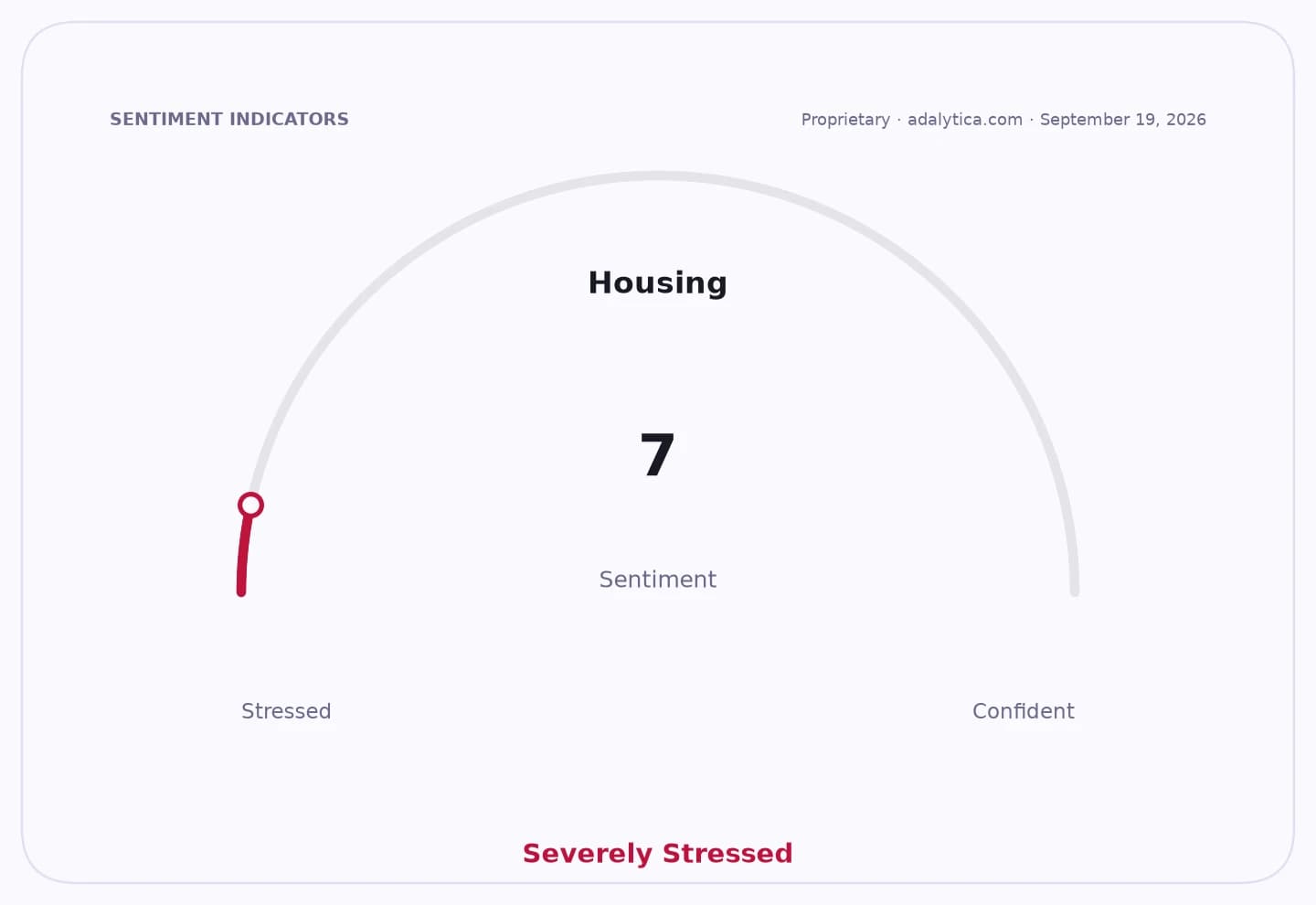
Sentiment IndicatorsⓘProprietary · adalytica.com · September 3, 2026
This is a snapshot — live sentiment, awareness and momentum for 130+ markets update continuously in the dashboard.Open AlphaPulse
In two July rulings, the court said clauses can be voided when consumers did not receive “sufficiently clear” information on how the balance would rise. In one case involving Kutxabank, the borrower received 92,950 euros while accumulated interest reached 44,922 euros, underscoring how quickly the debt can expand when interest is compounded. The court found the calculation method had not been explained clearly enough to pass transparency review.
A second ruling, involving Caja Vital Kutxa, went further by saying the loan could survive even if the remunerative interest clause was struck out. That matters for borrowers because it means courts may remove the offending clause without automatically replacing it with another formula, forcing banks to return interest already charged plus legal interest.
For lenders, the judgments increase legal and conduct risk around a niche but sensitive product aimed at older customers. Reverse mortgages are designed to turn home equity into retirement income, and in Spain those proceeds can in some cases be exempt from IRPF for homeowners over 65. But the product’s complexity makes it vulnerable to scrutiny if documentation is vague or if sales pitches downplayed the effect of compounding.
The rulings may be especially relevant in the Canary Islands, where homeowners using reverse mortgages to supplement retirement income could now revisit contracts that allowed interest-on-interest accumulation. The practical question will be how many agreements used similar wording, and whether courts extend the same transparency standard across the wider market.
For investors, the immediate impact is concentrated in Spanish mortgage lenders and any servicers with legacy reverse-mortgage exposure. The bigger takeaway is regulatory: courts are signaling that consumer-facing loan structures with opaque compounding mechanics face a higher likelihood of being rewritten, which can mean refunds, lower lifetime yields and more litigation over disclosure standards.
| Entity | Gains | Losses |
|---|---|---|
| Borrowers / heirs | ▲Potential refunds | ▼Higher debt claims |
| Spanish courts | ▲Transparency precedent | ▼Backlog of disputes |
| Lenders | ▲Clearer disclosure rules | ▼Interest income risk |
| Canary Islands homeowners | ▲Contract review leverage | ▼Legal uncertainty |