Sri Lanka’s external debt restructuring is effectively finished on paper, but the final legal and implementation steps still stand between Colombo and a full exit from one of the most closely watched sovereign defaults in emerging markets.
Sri Lanka Debt Restructuring Nears Final Close
A World Bank progress report says 94% of the foreign debt covered by the restructuring has now been completed, rising to 99% when already agreed principal terms are included. That puts the country within touching distance of wrapping up a process that has dragged on for months after its 2022 default, a milestone that matters for a government still trying to restore fiscal credibility, secure financing and keep its IMF-backed recovery on track.
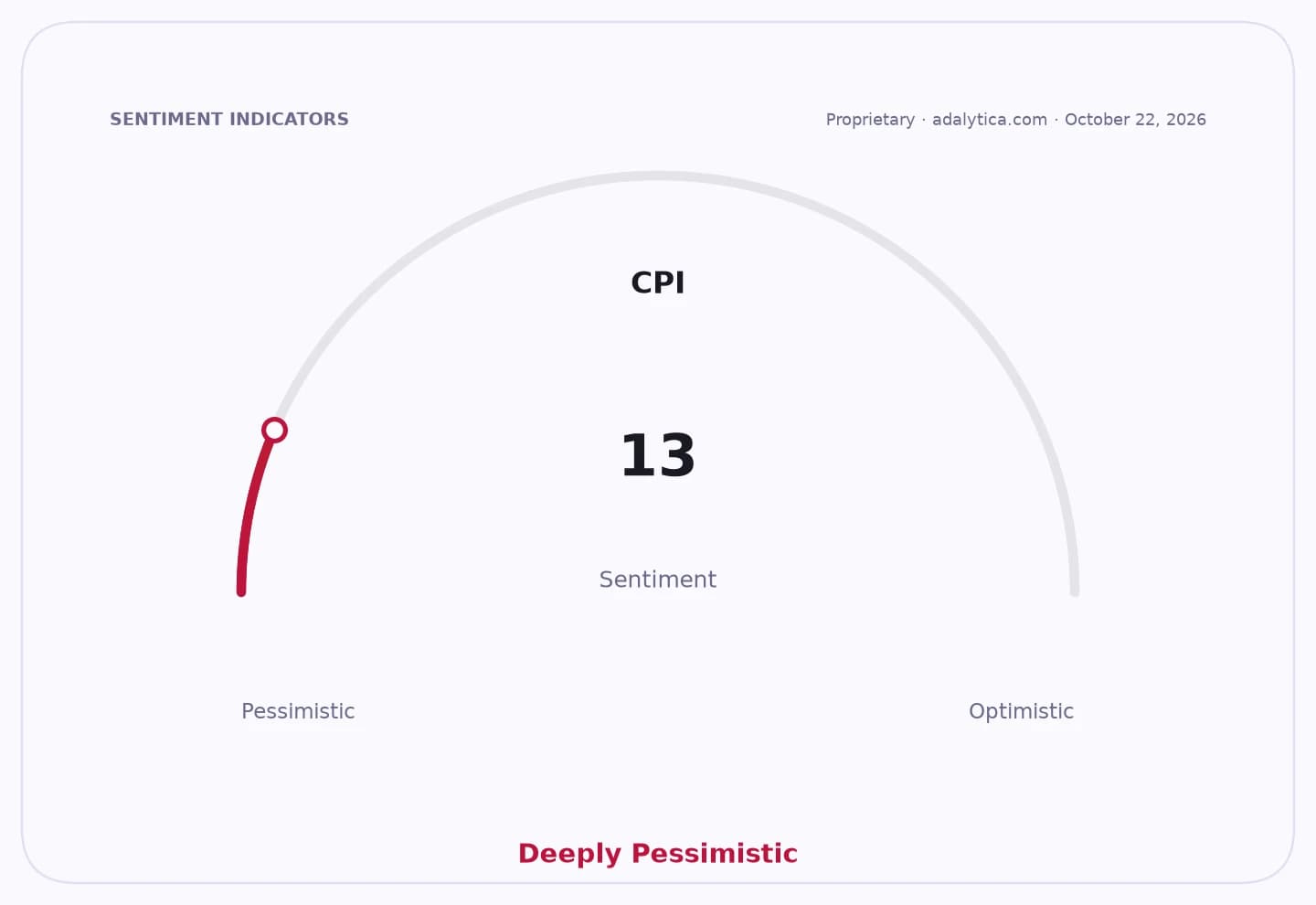
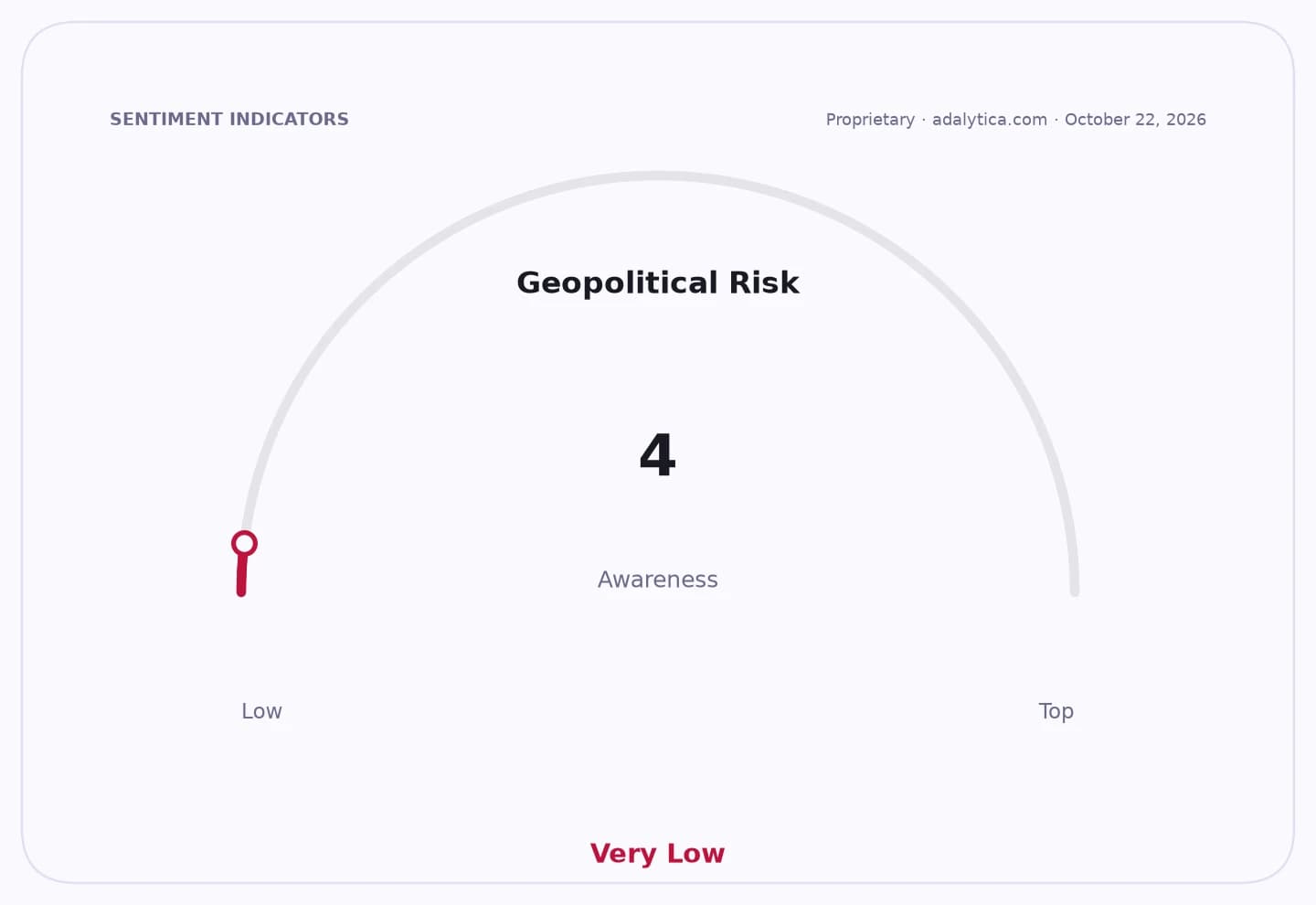
Sentiment IndicatorsⓘProprietary · adalytica.com · October 23, 2026
This is a snapshot — live sentiment, awareness and momentum for 130+ markets update continuously in the dashboard.Open AlphaPulse
The report also shows Sri Lanka has reached bilateral agreements with 17 external creditors, with nine already signed and eight still awaiting signatures. Talks are continuing with the remaining creditors, while the swap process linked to SriLankan Airlines debt has also helped pull the overall restructuring close to completion.
For investors, the near-finish line is important because sovereign restructurings rarely move in a straight line from agreement to closure. What matters now is execution: whether the unsigned deals are finalized without last-minute revisions, whether implementation documents are completed, and whether any holdouts or litigation threaten to slow the broader normalization process. The World Bank’s own framing is a reminder that “agreed” and “done” are not the same thing.
The timing is also significant. The report is based on conditions as of Sept. 18 and covers only the debt included in last year’s restructuring framework, underscoring that the current assessment is a snapshot rather than a final seal of approval. Even so, the pace of progress suggests Sri Lanka is moving from crisis management to cleanup, which should support confidence among official creditors, multilateral lenders and private investors watching for signs that the island nation can re-enter markets on more normal terms.
A separate legal overhang also remains. In the Hamilton Reserve Bank case, final arguments have already been filed by both sides, leaving only the court’s ruling date outstanding. That keeps alive a source of uncertainty even as the broader restructuring advances, since unresolved litigation can complicate creditor recovery assumptions and the timetable for full market normalization.
The wider market implication is that Sri Lanka is approaching the point at which the debt story may shift from restructuring risk to macro recovery risk. If the final contracts are signed and the litigation path becomes clearer, attention is likely to move toward reserve rebuilding, growth stabilization and the government’s ability to maintain reform momentum. If not, the gains from the restructuring could be delayed by exactly the kind of procedural friction that has already stretched the process to 23 months since the IMF approved the program.
| Entity | Gains | Losses |
|---|---|---|
| Sri Lankan government | ▲Near-complete debt relief | ▼Final execution risk |
| External creditors | ▲Greater recovery visibility | ▼More time to close deals |
| IMF and multilateral lenders | ▲Program credibility | ▼Patience if delays persist |
| Bondholders and investors | ▲Lower default uncertainty | ▼Litigation and implementation risk |