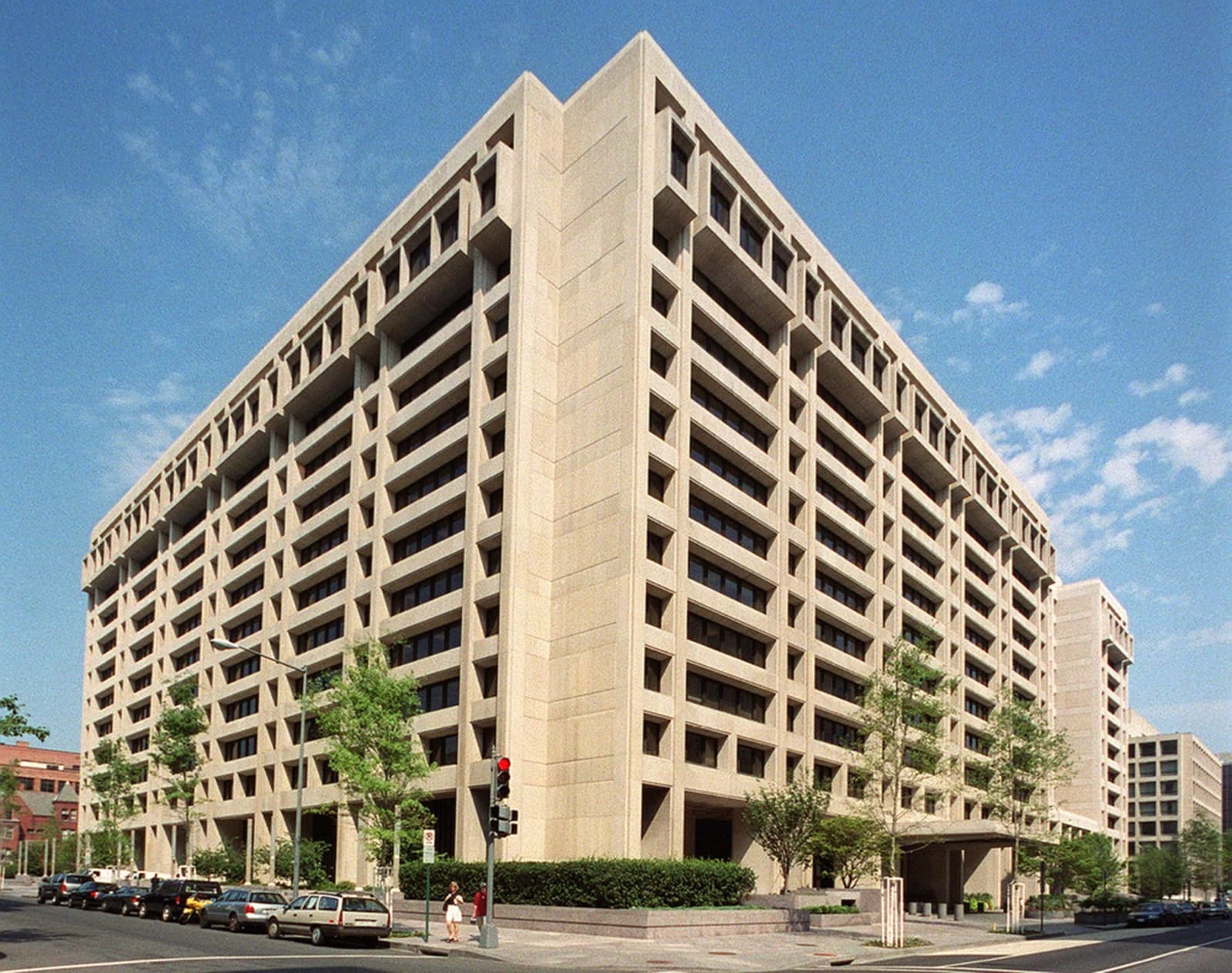
The International Monetary Fund has urged Sri Lanka to keep its 5% inflation target and accountability band unchanged, a sign that the central bank’s credibility now matters as much as the level of prices themselves.
Sri Lanka IMF Urges 5% Inflation Target Kept
For investors, the recommendation is more than a technical tweak to a monetary framework. It signals that the IMF sees institutional consistency as essential to preserving hard-won macro stability after years of high inflation, currency stress and policy reversals. A stable target gives markets a clearer anchor for inflation expectations, bond yields and the exchange rate, especially as Sri Lanka continues to rebuild confidence under its reform programme.
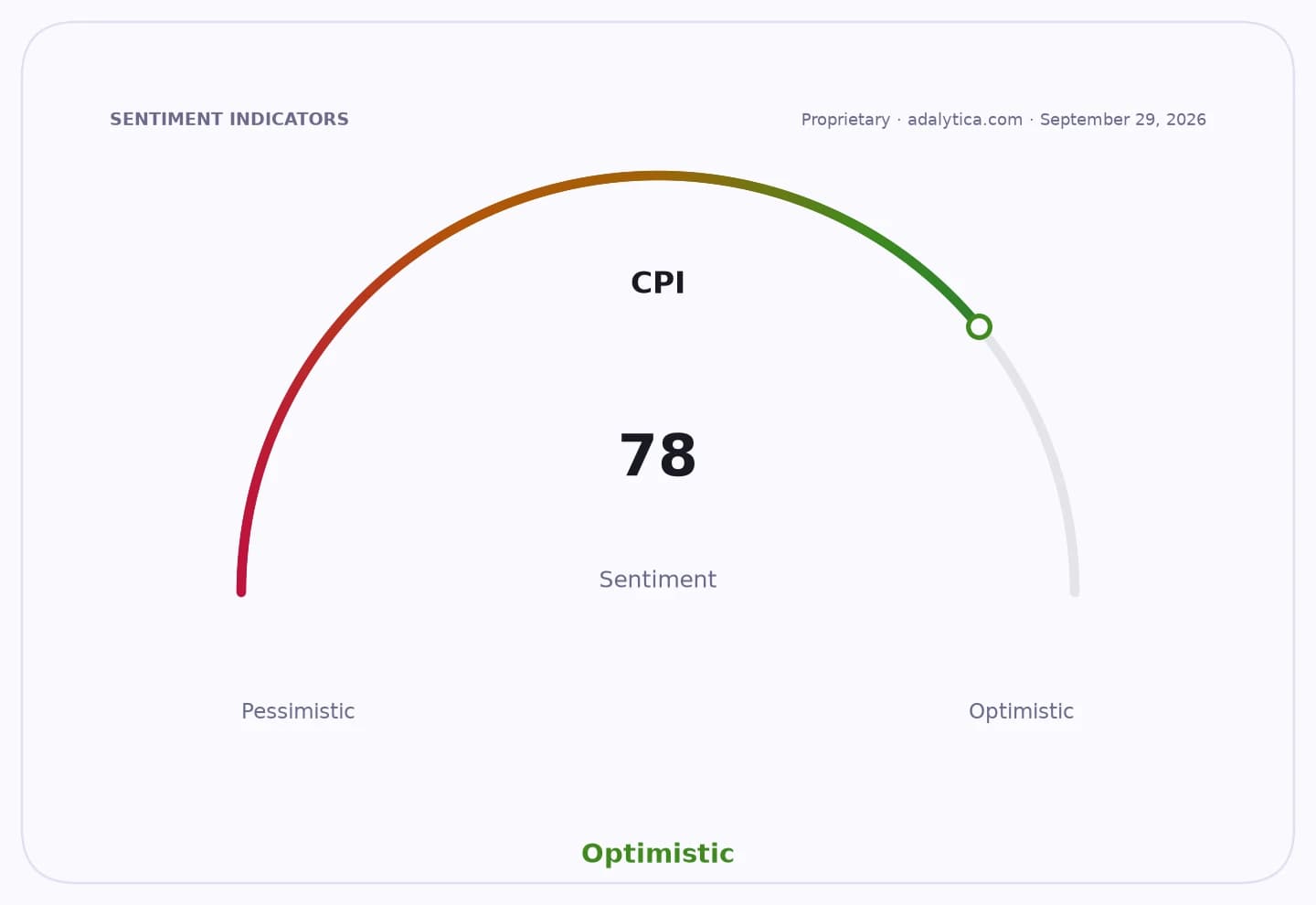
Sentiment IndicatorsⓘProprietary · adalytica.com · September 29, 2026
This is a snapshot — live sentiment, awareness and momentum for 130+ markets update continuously in the dashboard.Open AlphaPulse
The case for keeping the target is straightforward. Sri Lanka’s policy makers have already moved through a period in which inflation was volatile and economic management was under severe strain. Against that backdrop, changing the target now could be read as backsliding or as an attempt to reset the goalposts before credibility is fully restored. By urging the central bank to hold the line, the IMF is effectively arguing that the priority is not a lower target at any cost, but a framework that the market can trust over time.
That matters economically because nominal anchors help shape everything from wage bargaining to government borrowing costs. If households and businesses believe the central bank will defend a 5% goal, price-setting behavior becomes less erratic and the risk premium on local assets can narrow. If they do not, then even well-intentioned easing can feed into imported inflation, currency weakness and higher funding costs.
The signal also matters for creditors and foreign investors watching Sri Lanka’s broader adjustment. The country has been working to regain access to international capital markets after its debt crisis, and one of the key tests is whether policy institutions can maintain discipline once immediate stress recedes. A retained target and band would suggest continuity, while a change could raise questions about whether the reform process is being diluted.
That said, the IMF’s stance does not mean inflation is no longer a concern. The more important issue is whether Sri Lanka can keep disinflation credible while supporting growth and social stability. A rigid target can become a burden if it is not matched by fiscal restraint, exchange-rate stability and central bank independence. But abandoning or revising the framework too soon would likely do more damage than good.
For markets, the narrative is one of repair rather than rescue: Sri Lanka is still in the phase where policy consistency is a valuable asset in itself. The IMF’s recommendation suggests the next leg of the recovery will be judged less by headline inflation prints than by whether the authorities can make a 5% target believable for the long term.
| Entity | Gains | Losses |
|---|---|---|
| Sri Lanka central bank | ▲Policy credibility | ▼Flexibility to reset targets |
| IMF | ▲Reform continuity | ▼Short-term policy ease |
| Bondholders | ▲Lower inflation risk | ▼Higher policy uncertainty |
| Households and firms | ▲More stable prices | ▼Faster nominal relief |