Standard Chartered is moving to turn the yuan’s growing international use into a bigger fee pool, sharpening its advisory and financing push just as Beijing and Hong Kong widen the currency’s offshore plumbing.
Standard Chartered expands yuan commercialisation push
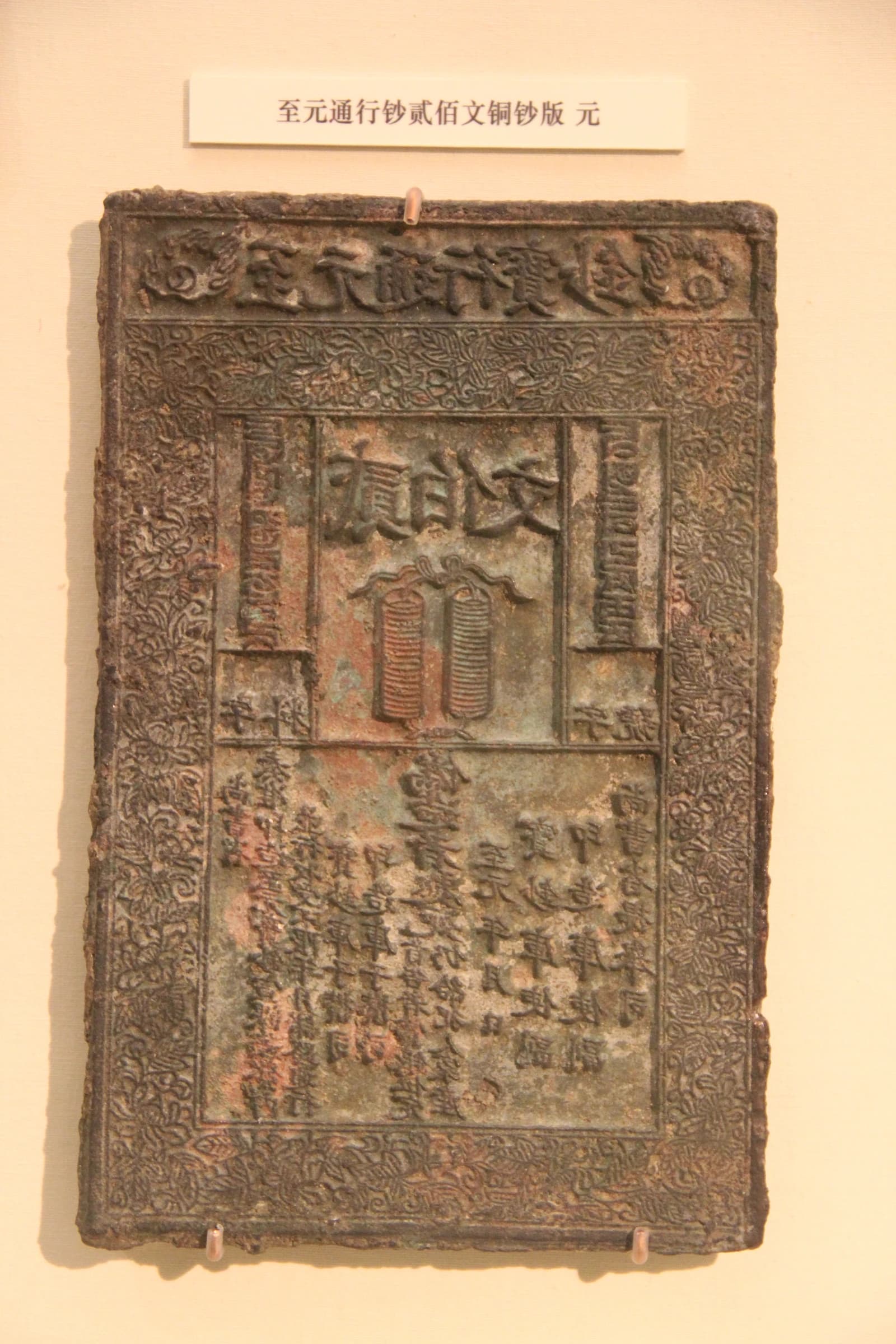
That matters because the clearest constraint on yuan internationalisation is no longer demand alone, but execution: companies and investors need liquidity, settlement rails and cross-border risk tools. Standard Chartered is positioning itself inside that shift, while China’s policy makers are adding more of the infrastructure that could make yuan usage more practical in trade finance, investment and treasury management.
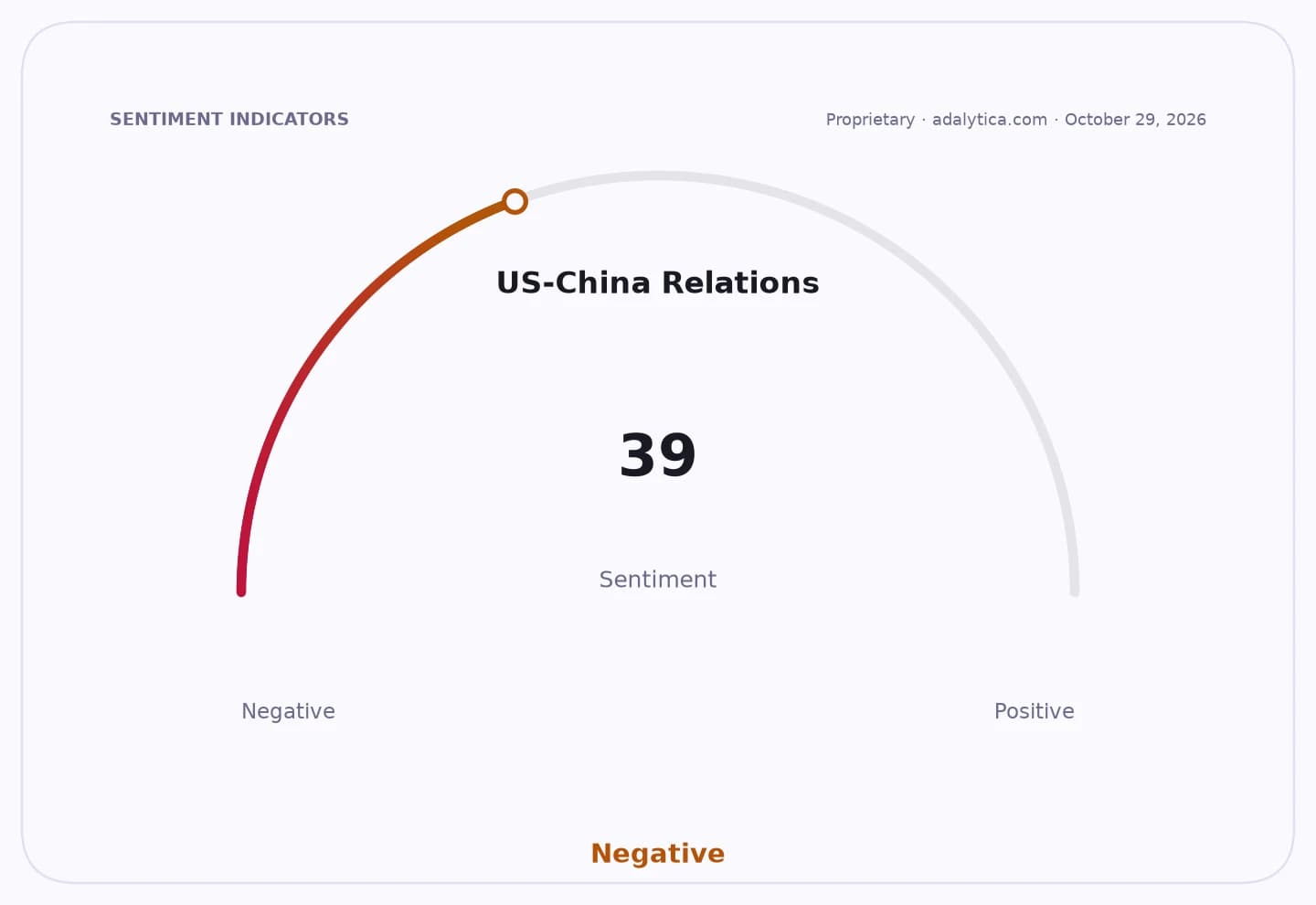
Sentiment Indicators
The bank has appointed Jerry Zhang as global head of RMB commercialisation, elevating a role designed to coordinate products and client coverage across its network. The move comes as the People’s Bank of China deepens the policy backdrop with bilateral swap lines exceeding 4.3 trillion yuan, or about $641 billion, and with fresh measures unveiled in Shanghai and Hong Kong to support offshore yuan trading and cross-border connectivity.
For Standard Chartered, the commercial logic is obvious. The lender already has an established footprint in Asia, the Middle East, Africa and parts of Europe where yuan usage is increasingly relevant in trade settlement and supply-chain finance. Zhang said the bank is seeing live cases across 35 markets and wants to convert early adoption into broader client demand for accounts, foreign exchange, working capital and collateral-based funding.
The strategy also reflects a structural imbalance in corporate balance sheets. Standard Chartered’s own “Renminbi in Motion for Corporates” report found that among mainstream companies, 23% of revenue and 25% of procurement costs are yuan-linked, but only 14% of debt is denominated in the currency. That leaves firms exposed to currency mismatch even as more of their cash flows move through China-linked trade.
Hong Kong is central to the next leg of that trade. The Hong Kong Monetary Authority expanded the RMB Business Facility this year to 500 billion yuan from 100 billion yuan, boosting the capacity of banks to lend in yuan to corporate clients. Standard Chartered argues that deeper offshore liquidity, along with greater use of Stock Connect and Bond Connect securities as collateral, could improve capital efficiency for both borrowers and investors.
The bank’s timing is notable. Offshore yuan bond issuance, including dim sum debt, rose more than 60% year on year in the first half of 2026, while panda bond sales climbed 69%. That points to a market that is not just discussing yuan usage, but actively financing in it. For lenders with the right cross-border balance-sheet reach, the opportunity is to intermediate that demand before competitors do.
The bullish case is that Standard Chartered is cementing a niche in a secular trend and could see higher wallet share from multinational clients as yuan settlement becomes more routine. The bear case is that adoption remains uneven, policy support can be gradual, and dollar funding still dominates global trade and capital markets. Even so, the direction of travel is clear: Standard Chartered is trying to embed itself in the infrastructure of a more usable yuan, not merely advise on it.
| Entity | Gains | Losses |
|---|---|---|
| Standard Chartered | ▲Higher RMB fee income | ▼Niche competition risk |
| Multinational corporates | ▲Better yuan funding access | ▼FX mismatch if delayed |
| Hong Kong offshore market | ▲More RMB liquidity | ▼Reliance on policy support |
| US dollar incumbents | ▲Stable reserve role | ▼Slower share in trade finance |