Coffee in California is moving upmarket fast, with reservation-only tastings now charging as much as $125 a seat and rare single-origin pours topping $20, a sign that premiumization is becoming a real business model rather than a novelty.
Starbucks and California coffee go upmarket
The clearest economic takeaway is that specialty coffee has gained enough pricing power to behave more like fine dining than a morning commodity. That matters because it widens margins for operators able to command scarcity, storytelling and experience-based demand, while also showing that affluent consumers are still spending on discretionary treats even as broader household budgets remain pressured.
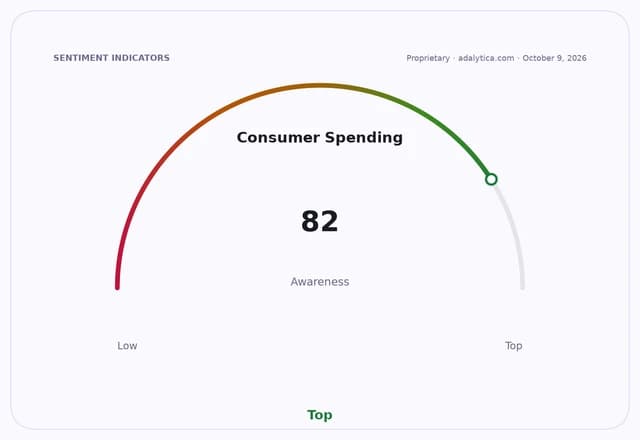
Sentiment IndicatorsⓘProprietary · adalytica.com · October 9, 2026
This is a snapshot — live sentiment, awareness and momentum for 130+ markets update continuously in the dashboard.Open AlphaPulse
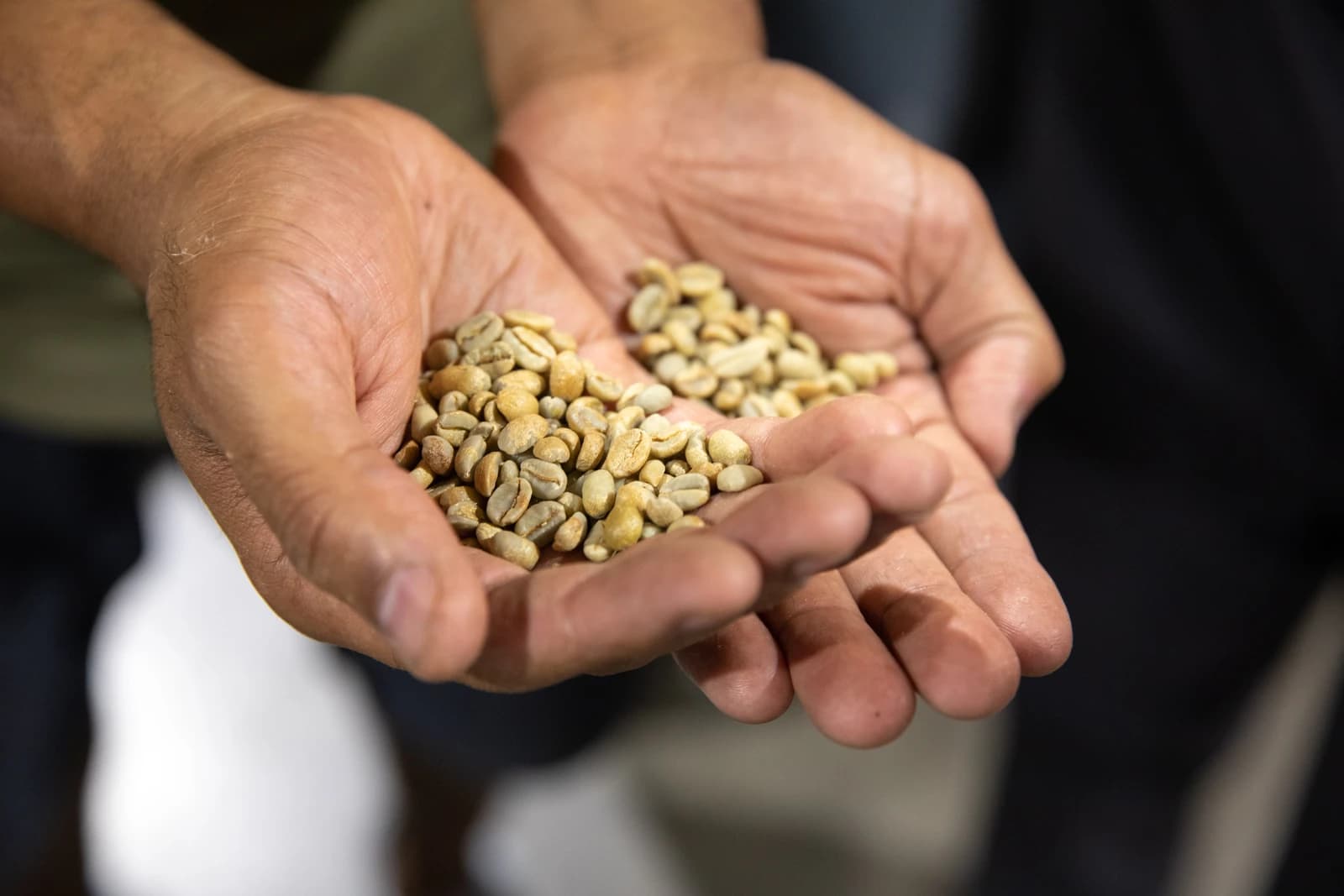
The latest example is Omake, a Studio City coffee bar that opened Sept. 25 and is already drawing heavy social-media attention. The shop said roughly 600 people passed through in a single day shortly after opening, before it even launched its $125 five-course coffee omakase. Regular drinks top out at $11, but the tasting menu is framed as a guided, multi-course event with rare Liberica beans sourced from Asia, coffee noodles, espresso eggs and food pairings.
The format borrows directly from Japanese omakase dining, where the chef controls the experience. In coffee, that is a notable change: beans, brewing technique and presentation are being packaged as entertainment, and customers are paying for access as much as for caffeine. For operators, the model is attractive because it can turn a low-ticket beverage into a high-margin reservation product with limited seating and strong social-media marketing.
San Francisco’s Komakase shows the concept is not a one-off. The business started as a weekend pop-up in 2024, built enough demand to expand to four days a week, and now charges $80 a person, or $96 with tax, for a multi-course tasting that sells out quickly on weekends. Its customers include visitors from Seattle, New York and Georgia, suggesting the format is pulling destination traffic rather than just local regulars.
That kind of demand has implications beyond boutique cafes. It reinforces a broader split in consumer spending: mass-market coffee chains face trading-down pressure, while niche players with rare beans, strong brand identity and experiential formats can keep raising prices. In the public markets, Starbucks remains the obvious bellwether for mainstream coffee demand, but the trend also highlights the competitive pressure from smaller premium concepts that are defining the high end of the category.
Starbucks shares have been volatile, recently trading around $93.21, below a 50-day moving average of about $101.43 and under a 200-day average near $98.07, a technical setup that reflects investor caution rather than enthusiasm. Meanwhile, California’s luxury coffee boom suggests the premium end of the market is not being lost to lower-priced competition so much as being reinvented by independent operators. JVA and Luckin Coffee, which trade at very different ends of the market spectrum, underscore the gap between speculative small-cap coffee plays and scaled international growth stories.
For investors, the key question is whether this is a durable consumer upgrade or a local wealth effect. The bull case is that wealthy urban consumers will continue paying for curated experiences, giving specialty coffee brands room to expand margins and build loyalty. The bear case is that the category remains small, fashion-driven and dependent on social-media virality, making the revenue base fragile if novelty fades or discretionary spending weakens.
Even so, the underlying trend is hard to miss: coffee is being reframed from routine consumption into premium experience. If that shift sticks, the winners will be operators that can combine bean quality, theater and scarcity; the losers will be commodity sellers competing mostly on price.
| Entity | Gains | Losses |
|---|---|---|
| Omake / Komakase | ▲Higher margins | ▼Commodity coffee image |
| Affluent consumers | ▲Exclusive experiences | ▼Lower-cost caffeine |
| Specialty roasters | ▲Premium demand | ▼Mass-market pricing power |
| Starbucks / chain coffee | ▲Niche premium halo | ▼Share of premium spend |